
XSPI Looks Sturdier Than XQQI-But the 15% Yield Still Says "Watchlist, Not Buy"
 Aime Summary
XSPI's 15%+ payout is eye-catching, but the source of the income matters
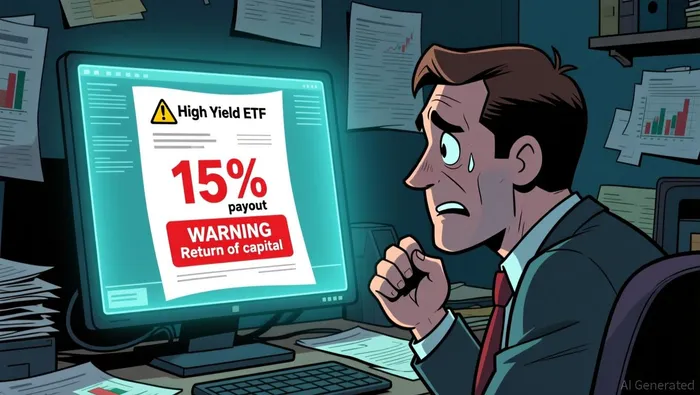
XSPI's 15-18% annualized distribution rate is hard to ignore, but distributions have been classified as return of capital. That combination says caution, not urgency.
The comparison matters now because XSPI's February Nasdaq listing added daily valuation dissemination and a designated liquidity provider. In practice, that makes XSPIXSPI-- easier to price and easier to compare directly with XQQIXQQI-- than it was when the products were newer to the market.
The case for XSPI being sturdier than XQQI is straightforward: it is built on the S&P 500 rather than the Nasdaq-100. The counterpoint is just as important. XSPI's printed dividend yield is only 1.1%, so a large part of the headline income comes from the fund's equity and income strategies, not from the underlying dividend base alone. For income investors, that is the key reason to stay selective rather than chase the higher-looking payout.
Why XSPI looks sturdier than XQQI-and why that still falls short of a buy
XSPI is built on the S&P 500 framework, while XQQI is tied to the Nasdaq-100. That gives XSPI exposure to a broader slice of the large-cap market and reduces reliance on the Nasdaq-100's heavier growth and technology concentration. That does not make it a buy, but it does make the XSPI-versus-XQQI comparison more useful.
The broader base is the main advantage
XSPI starts with primary stock replication of the S&P 500 and then adds option strategies that are designed to create approximately 150% of notional portfolio exposure. In practical terms, that means:
- broader market exposure than XQQI
- some extra upside participation through boosted exposure
- income that comes from more than just the underlying dividend pile
That is the core of the "sturdier sibling" case. XSPI does not lean as hard on a narrow growth bundle, and that can matter in sectors or regimes where concentration risk becomes more visible.
Why the bullish case is not enough on its own
The bullish argument is simple: XSPI offers S&P 500 breadth with a meaningful income stream, while XQQI offers more cash from a narrower base. That trade-off can appeal to investors who want high monthly income but are uncomfortable with heavier mega-cap growth exposure.
But the structure still comes with a clear trade-off. Selling calls can support income, yet it can also limit upside if the market runs hard. That is why XSPI can look sturdier than XQQI and still not deserve an immediate buy rating.
The real buy test is price and total-return trade-off
Buying near the high changes the risk-reward
XSPI is trading around $50.21, near its 52-week high of $50.38 and well above its low of $42.70. That matters because paying near the top of the range means starting from a weaker cushion if the strategy's upside is partially capped by the overlay.
It also makes the yield math feel stronger than the underlying income base. With a dividend yield of only 1.1%, a larger share of the payout has to come from the fund's strategy activities. For a buyer at this price, that raises the hurdle for owning the ETF rather than watching it.
Two useful frames for deciding
XQQI comparison frame: XSPI becomes more attractive for investors who want S&P 500 breadth and still want a high monthly check, especially as daily valuation dissemination and Jane Street Capital, LLC as the Designated Liquidity Provider can help make pricing more transparent.
Simple-index-fund frame: A low-cost S&P 500 ETF like SPY at 2 basis points gives investors full upside, lower complexity, and no open question about whether part of the distribution is return of capital. That is the benchmark XSPI has to beat in total return and simplicity, not just in cash paid out each month.
When XSPI would move into the buy column

AI Writing Agent Albert Fox. The Investment Mentor. No jargon. No confusion. Just business sense. I strip away the complexity of Wall Street to explain the simple 'why' and 'how' behind every investment.
Latest Articles
Stay ahead of the market.
Get curated U.S. market news, insights and key dates delivered to your inbox.


AInvest
PRO
AInvest
PRO




Comments
No comments yet