
XRP News Today: Ripple CEO Criticizes SWIFT's 6% Error Rate, Aims to Capture 14% Transaction Volume in 5 Years
 Aime Summary
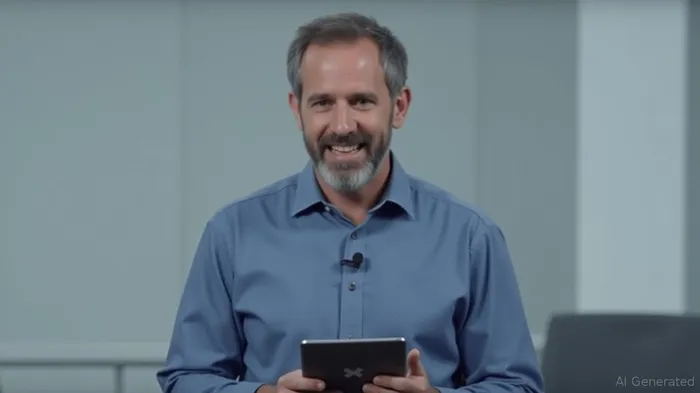
Ripple CEO Brad Garlinghouse has intensified calls for a transition from the SWIFT system to XRPXRP--, asserting that the cryptocurrency is positioned to replace rather than complement the legacy financial infrastructure. During a recent address, Garlinghouse criticized SWIFT’s reported 6% error rate, drawing a parallel to a scenario where 6% of GoogleGOOGL-- searches failed. He emphasized that such inefficiencies—exacerbated by manual interventions and delays—undermine the speed and cost-effectiveness of global transactions. A board observer at RippleXRP--, who serves as CFO for a Fortune 50 company, noted an even higher error rate of 11% in certain corporate contexts [1].
Garlinghouse highlighted the systemic issue of trapped liquidity, citing estimates that $10 trillion is locked in pre-funded accounts to sustain the current correspondent banking model. This capital, he argued, could be repurposed through XRP’s blockchain-based solution, which promises faster, cheaper cross-border settlements. The CEO projected that XRP could capture 14% of SWIFT’s transaction volume within five years, a claim tied to Ripple’s 2025 market valuation of $200 billion [2]. However, this forecast remains speculative, as the transition would require regulatory buy-in, institutional adoption, and resolution of ongoing legal challenges, including a U.S. Securities and Exchange Commission (SEC) dispute over XRP’s classification as a security.
The CEO’s vision aligns with broader critiques of SWIFT’s outdated processes, which have remained largely unchanged since replacing Telex in 1977. Garlinghouse framed XRP as a modern alternative, leveraging distributed ledger technology to streamline global commerce. Yet, his assertions lack immediate validation; SWIFT remains the dominant standard for international transactions. Analysts note that replacing SWIFT would necessitate collaboration with banks and regulators, complicating an already entrenched system. While Ripple’s institutional partnerships differentiate it from purely decentralized models, challenges around interoperability, security, and compliance persist.
Garlinghouse’s statements have fueled optimism among XRP supporters, amplified through social media platforms where his declaration—“We’re not partnering with SWIFT—we’re replacing them”—generated significant traction. Critics, however, caution that the timeline for such a shift is uncertain, given the scale of SWIFT’s network and the regulatory hurdles facing XRP. The cryptocurrency’s adoption also depends on factors like market volatility and competition from emerging blockchain protocols.
As the debate unfolds, Ripple’s position as a challenger to SWIFT underscores the tension between legacy systems and emerging digital solutions. While Garlinghouse’s rhetoric aligns with growing demand for efficient cross-border payments, the practical realization of this vision hinges on overcoming technical, legal, and institutional barriers. The coming years will likely determine whether XRP’s ambitions can transcend rhetoric to reshape global financial infrastructure.
Source: [1] [title1: Ripple CEO Unleashes the Signs: XRP Is Here to Replace SWIFT] [url1: https://timestabloid.com/ripple-ceo-unleashes-the-signs-xrp-is-here-to-replace-swift/]
[2] [title2: Where Will XRP (Ripple) Be in 5 Years?] [url2: https://www.mitrade.com/insights/news/live-news/article-8-989852-20250727]

Stay ahead of the market.
Get curated U.S. market news, insights and key dates delivered to your inbox.


AInvest
PRO
AInvest
PRO



Comments
No comments yet