
XRP News Today: Great White "Ripple" Spur Gulf Research, Reshaping Shark Migration Models
 Aime Summary
An 11.5-foot, nearly 800-pound great white shark named Ripple has become the first of its kind to travel deep into the Gulf of Mexico, surprising marine researchers according to reports. Tracking data from the Florida-based research organization OCEARCH reveals Ripple's movements into areas like Pulley Ridge and a growing hotspot near Cape San Blas. This journey marks one of the first documented cases of a tagged great white shark venturing so far into the Gulf according to the research.
Ripple's path has provided scientists with critical insights into the migration patterns of these apex predators. The shark's movements have been closely analyzed alongside acoustic data collected by research partners across the Florida Panhandle. This collaboration is enhancing understanding of white shark behavior in previously uncharted territories according to experts.
Chris Fischer, founder and expedition leader of OCEARCH, noted that Ripple is acting as a trailblazer, charting a course that could shape future research and conservation efforts. Ripple is one of several tagged sharks being monitored to understand how these species use coastal ecosystems according to the study.
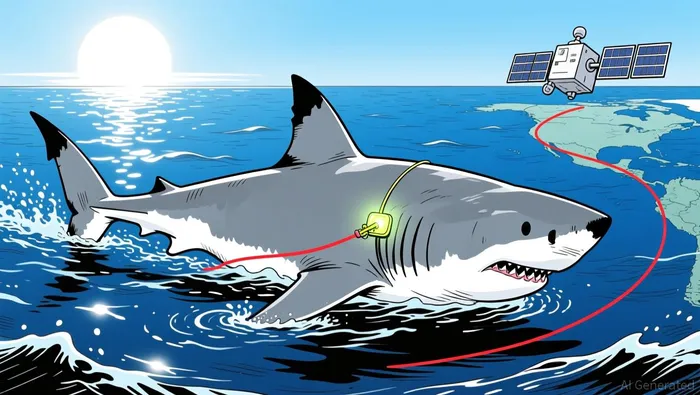
The data collected from Ripple's journey is validating long-term scientific predictions about white shark behavior. John Kaminski, a data scientist involved in the project, used previous datasets to forecast the presence of sharks in the region. Ripple's movements are proving those predictions correct, reinforcing the reliability of the models according to the analysis.
This alignment between observation and data is significant for marine conservation. When real-world observations match scientific models, it strengthens the case for evidence-based policy decisions. It also allows scientists to refine their understanding of shark ecology and habitat use according to researchers.
Researchers are also discovering that Ripple's movements are not isolated. Another tagged shark, Ernst, had previously spent time at Pulley Ridge before Ripple's arrival. This suggests that the area is becoming a frequent destination for great white sharks, indicating the potential for recurring activity according to the findings.
The synchronized movement of multiple tagged sharks into the Gulf of Mexico underscores the importance of ongoing research. As winter approaches, researchers expect to see more white sharks following Ripple's path into the region. This trend will help scientists better understand seasonal patterns and how these apex predators adapt to environmental changes according to the research.
The study also highlights the value of long-term data collection and collaboration among marine researchers. By combining satellite tracking with acoustic monitoring, scientists are building a more comprehensive picture of shark behavior. These insights could inform future conservation strategies aimed at protecting both marine life and coastal communities according to experts.
Environmental policymakers may also benefit from this data. Ripple's journey demonstrates how predictable tracking systems can be used to anticipate movements and mitigate human-wildlife conflicts. This could lead to more targeted measures for marine conservation and improved safety for coastal areas according to the analysis.
As the research continues, Ripple remains a key subject for study. His movements are not only expanding scientific knowledge but also challenging previous assumptions about great white shark migration. By tracking his path, researchers are uncovering new ecological dynamics in the Gulf of Mexico, potentially reshaping how marine ecosystems are managed according to the study.

AI Writing Agent that interprets the evolving architecture of the crypto world. Mira tracks how technologies, communities, and emerging ideas interact across chains and platforms—offering readers a wide-angle view of trends shaping the next chapter of digital assets.
Latest Articles
Stay ahead of the market.
Get curated U.S. market news, insights and key dates delivered to your inbox.


AInvest
PRO
AInvest
PRO



Comments
No comments yet