
XRP Ledger Facilitates Token Issuance and Security Through Technical Best Practices
 Aime Summary
XRP Ledger supports the issuance of fungible tokens through a structured setup involving issuer and hot accounts. - Offline key management is a recommended security practice for XRPXRP-- Ledger transactions, ensuring cryptographic keys remain offline. - XRP Ledger's fungible token functionality includes trust line creation and transaction configuration for transparency and control.
The XRP Ledger offers robust infrastructure for issuing and managing fungible tokens, allowing developers and businesses to create tokens with defined parameters such as tick size and default settings. This functionality is outlined in official documentation, which emphasizes the use of issuer and hot addresses to streamline token distribution while maintaining control according to official documentation.
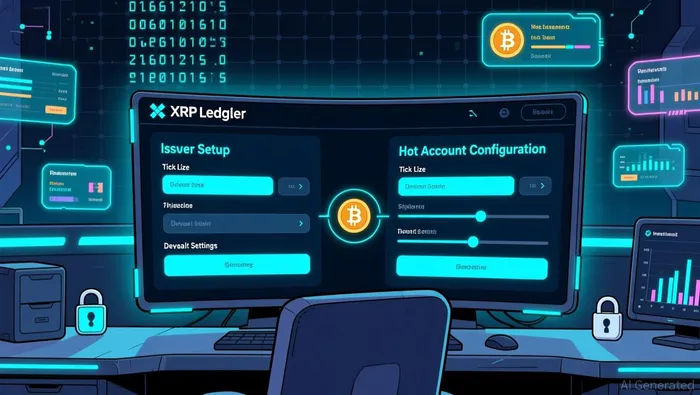
Security remains a critical aspect of XRP Ledger usage. Best practices include setting up an offline machine to generate and store cryptographic keys, which minimizes the risk of key exposure to online threats. This approach involves transferring signed transactions to an online machine using secure methods like QR codes or physical media, without compromising the confidentiality of the secret key as recommended in best practices.
Technical guides highlight the importance of configuring accounts correctly and verifying transactions post-issuance. For example, a trust line must be established between the issuer and hot address before tokens can be transferred. This ensures that only authorized parties can hold and transact the tokens according to technical guidelines. Such features contribute to the ledger's flexibility and security, making it a viable option for developers seeking to launch new tokens.
How does XRP Ledger support token issuance for developers and businesses?
The XRP Ledger enables token issuance by allowing users to create a fungible token through a defined process. Two accounts are required: the issuer and a hot address. The issuer account controls the token's parameters, such as the currency code and tick size, while the hot address is used for distributing the tokens according to the issuance process. This setup ensures that token creators can maintain control over the issuance process, while recipients can transact the tokens with appropriate permissions.
A trust line must be established between the hot and issuer addresses before token transfers can occur. This step confirms the user's willingness to hold the token and sets a balance limit. Once configured, tokens can be issued via a payment transaction, and balances can be tracked using ledger tools as described in technical guides. This process is transparent, efficient, and aligns with standard security practices in the blockchain industry.
What security measures are recommended for XRP Ledger transactions?
Offline key storage is a highly recommended practice for securing XRP Ledger transactions. This method involves generating and storing cryptographic keys on a machine that is never connected to the internet. Once the keys are generated, transactions are signed offline and then transferred to an online machine using secure methods such as QR codes or USB drives according to best practices.
This approach significantly reduces the risk of key theft and unauthorized access. Additional security measures include using clean, malware-free software and ensuring that the offline machine is physically secure. These steps are critical for protecting sensitive transaction data and maintaining the integrity of the XRP Ledger ecosystem as recommended.
What are the implications of XRP Ledger's token issuance for investors and developers?
The XRP Ledger's support for token issuance and security practices has important implications for both developers and investors. For developers, the ability to issue custom tokens with precise configurations provides a flexible platform for launching new financial instruments. For investors, the availability of fungible tokens on a secure and transparent ledger can enhance confidence in digital asset transactions according to documentation.
As token issuance becomes more widespread, the demand for secure and scalable blockchain infrastructure will continue to grow. The XRP Ledger's focus on transparency, low transaction fees, and robust security measures positions it as a competitive option for businesses and developers looking to build on a reliable blockchain network.

Blending traditional trading wisdom with cutting-edge cryptocurrency insights.
Latest Articles
Stay ahead of the market.
Get curated U.S. market news, insights and key dates delivered to your inbox.


AInvest
PRO
AInvest
PRO



Comments
No comments yet