
XRP Faces Shifting Landscape Amid Rare Earth, Agriculture, and Commodity Dynamics
 Aime Summary
Rare earth and agricultural supply chain developments are reshaping resource dependencies, with implications for XRP's ecosystem. Global copper and fertilizer markets are experiencing volatility tied to geopolitical tensions and sustainability transitions. U.S. and European supply chain strategies are reshaping rare earth dynamics, with implications for digital assets.
Rare earth elements (REEs) and platinum-group elements (PGEs) are becoming increasingly vital in agriculture and infrastructure. Their scarcity affects farm machinery, irrigation, and emissions control, posing supply chain risks. As of 2026, the U.S. is working to build a domestic supply chain for rare earths, with companies like REalloysALOY-- constructing metallization plants outside China. These developments could influence the broader digital assets landscape, especially for projects like XRPXRP-- that rely on global trade and technological supply chains.
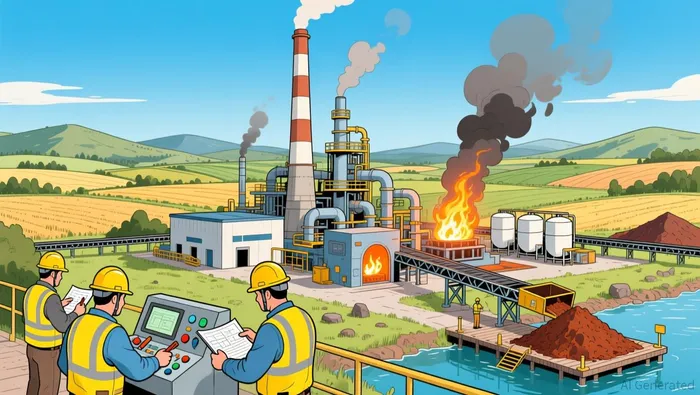
Meanwhile, agricultural and industrial sectors are witnessing price disconnects. Fertilizer prices in Asia have surged, but crop prices have not risen proportionally, creating a financial cushion for farmers via government subsidies. Copper remains a critical material for renewable energy and sustainable agriculture, with the mining sector adapting to ESG standards and technological innovation. As copper demand grows, its role in infrastructure and green energy is expected to expand further.
Geopolitical tensions in the Middle East have heightened risks for industrial metals. Ongoing conflicts are disrupting energy infrastructure, leading to higher prices and tighter financial conditions, which may reduce demand for metals like aluminium and copper. UBS analysts caution that without de-escalation, metals and mining equities remain vulnerable. These dynamics could affect digital asset markets indirectly, especially if macroeconomic conditions shift.
What Are the Geopolitical and Economic Implications for XRP?
XRP's value is tied to global trade and financial infrastructure. As rare earth and agricultural markets experience shifts, XRP may face indirect exposure to supply chain disruptions and geopolitical tensions. The U.S. ban on Chinese-sourced rare earths for defense by 2027 may lead to increased global competition for rare earth resources, potentially influencing broader economic conditions. These changes could ripple into financial markets, including digital assets.
The reliance on non-Chinese rare earth processing is growing, with REalloys securing a significant portion of output from the Saskatchewan Research Council's facility. This trend may reduce strategic vulnerabilities but could also lead to higher input costs for sectors reliant on rare earths. As global demand increases, these developments may have macroeconomic consequences, potentially affecting XRP's price dynamics.
How Are Agricultural and Mining Inputs Impacting Rare Earth and Metal Markets?
Agricultural inputs like fertilizers and irrigation systems are increasingly dependent on rare earth elements and PGEs. Scarcity of these elements threatens food security and rural economies, prompting solutions like recycling and sustainable mining. The mining sector is adapting by integrating ESG practices and leveraging technologies like satellite-driven exploration. These trends may influence the cost and availability of critical resources used in agriculture and infrastructure.
Copper, a key component in renewable energy and sustainable agriculture, is being prioritized in business strategies. The shift toward green energy is expected to increase demand, placing upward pressure on copper prices. This trend is part of a broader move toward sustainability, which may have implications for digital asset ecosystems that rely on infrastructure and industrial inputs.
What Role Do Sustainability and ESG Play in Shifting Market Dynamics?
Sustainability is a growing factor in agriculture, mining, and rare earth supply chains. Precision resource management, value chain transparency, and resilient positioning are emerging as key strategies for businesses in these sectors. These trends are likely to boost profitability and reduce market risks, but they also require significant investment in technology and workforce training.
Data-driven approaches are transforming farming and mining-adjacent sectors by improving resource efficiency and reducing waste. These innovations are part of a larger shift toward sustainable practices, which may influence investment flows into digital assets and related sectors. As companies like Apple and Microsoft advance rare earth recycling initiatives, the focus on circular economy models is expected to grow.
Environmental concerns related to rare earth and PGE extraction are also driving the need for sustainable alternatives. Solutions like satellite-based mineral detection and synthetic material development are gaining traction, potentially reducing environmental impact while ensuring supply chain resilience.
The U.S. and European efforts to reduce reliance on Chinese rare earths are shaping the global supply chain landscape. REalloys, USA Rare EarthUSAR--, and other companies are building domestic capabilities from mining to metallization. These developments are part of a broader strategy to secure strategic resources and reduce vulnerabilities, which may influence the macroeconomic environment and, by extension, digital asset markets.

Blending traditional trading wisdom with cutting-edge cryptocurrency insights.
Latest Articles
Stay ahead of the market.
Get curated U.S. market news, insights and key dates delivered to your inbox.
AInvest
PRO
AInvest
PRO



Comments
No comments yet