
XRP ETF Demand Tightens Supply, Price Outlook Firms in 2026
 Aime Summary
- XRP ETFs have locked 746 million tokens in custody, reducing liquid supply.
- Exchange reserves fell 60% in 2025 signaling long-term holding patterns.
- Institutional adoption grows through Ripple's payments and wrapped XRPXRP-- solutions according to recent analysis.
- Regulatory clarity from SEC case resolution enables ETF expansion and banking partnerships according to market reports.
XRP starts 2026 trading above $2 as spot ETF inflows exceed $1.18 billion and supply constraints intensify according to market forecasts. Institutional participation through exchange-traded funds has removed over 746 million tokens from active circulation since late 2025. This liquidity shift coincides with exchange reserves plunging to eight-year lows, creating potential supply pressures. Ripple's managed escrow releases and expanding cross-border payment infrastructure further redefine XRP's market structure.
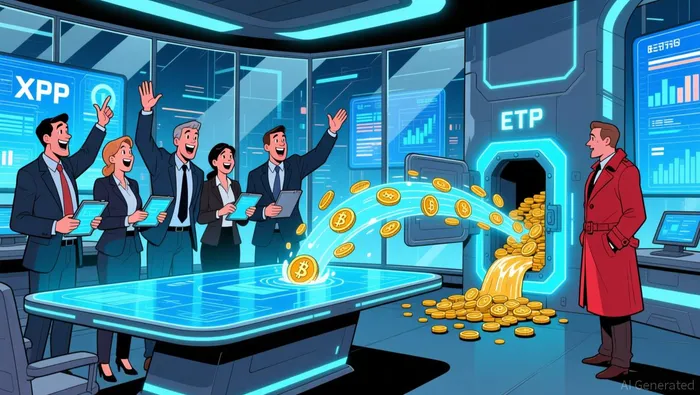
How Are ETF Flows Reshaping XRP Supply Dynamics?
Spot XRP ETFs have attracted $1.3 billion in just 50 days, locking approximately 1.14% of circulating supply. Analysts project this could remove 2.6 billion tokens from circulation by mid-2026 if inflows reach $5 billion. Such custodial holdings typically reduce near-term selling pressure. Exchange balances confirm this trend, dropping 58% during 2025 as holders shift toward long-term positions.
The supply impact extends beyond ETF custody. Recent moves locked 500 million XRP in escrow until 2028, withdrawing over $1 billion from liquid markets. Ripple's monthly unlocks see 60-80% routinely relocked, minimizing new supply influx. These dynamics create a structural shift from speculative trading toward institutional-grade liquidity management.
What Regulatory Developments Could Impact XRP in 2026?
The SEC's resolution of Ripple's lawsuit validated XRP's non-security status, enabling current ETF products. Caroline Crenshaw's departure from the SEC further boosted sentiment around regulatory easing. Congressional progress on the CLARITY Act could clarify institutional participation frameworks this year.
Japan's approval of its first XRP-focused ETF signals growing Asian institutional adoption. Ripple secured a U.S. banking license and launched its RLUSD stablecoin, enhancing cross-border payment utility. The XRP Ledger's sub-5-second transactions appeal to ESG-conscious enterprises seeking efficiency. Regulatory tailwinds now support infrastructure development rather than legal uncertainty.
Could Supply Constraints Drive XRP Price Higher?
Exchange reserves between 1.6-1.7 billion XRP represent the lowest levels since 2018. Whale accumulation totaling 340 million tokens suggests strategic positioning despite price consolidation. Falling reserves historically correlate with amplified reactions to demand shifts when liquidity is thin.
Market projections diverge significantly. Standard Chartered's $8 target assumes sustained ETF inflows, while technical indicators show bearish divergences near current levels according to analysts. Social sentiment at 'extreme fear' levels historically preceded rallies, yet institutional accumulation continues. The delicate balance requires monitoring ETF flow consistency and macroeconomic conditions.
Controlled supply mechanisms could support higher prices if demand accelerates. Token velocity declines as holders prioritize custody over trading, potentially reducing volatility. Still, incomplete exchange data coverage means reserve metrics alone don't guarantee upside. Measured ETF inflows and escrow discipline create fundamentally different supply mechanics versus 2023.

Blending traditional trading wisdom with cutting-edge cryptocurrency insights.
Latest Articles
Stay ahead of the market.
Get curated U.S. market news, insights and key dates delivered to your inbox.


AInvest
PRO
AInvest
PRO



Comments
No comments yet