
"Xpeng Shares Jump on Plans to Make Flying Cars, Humanoid Robots"
Generated by AI AgentHarrison Brooks
Monday, Mar 10, 2025 12:19 am ET3min read
MASS--
In the ever-evolving landscape of electric vehicles (EVs), XPengXPEV-- Motors has emerged as a trailblazer, not just in the realm of ground transportation but also in the skies and beyond. The Chinese EV manufacturer has announced ambitious plans to mass-produce flying cars by 2026, a move that has sent its shares soaring and captured the imagination of investors and tech enthusiasts alike. But what does this bold foray into the future of mobility mean for XPeng, the broader EV market, and the regulatory landscape?
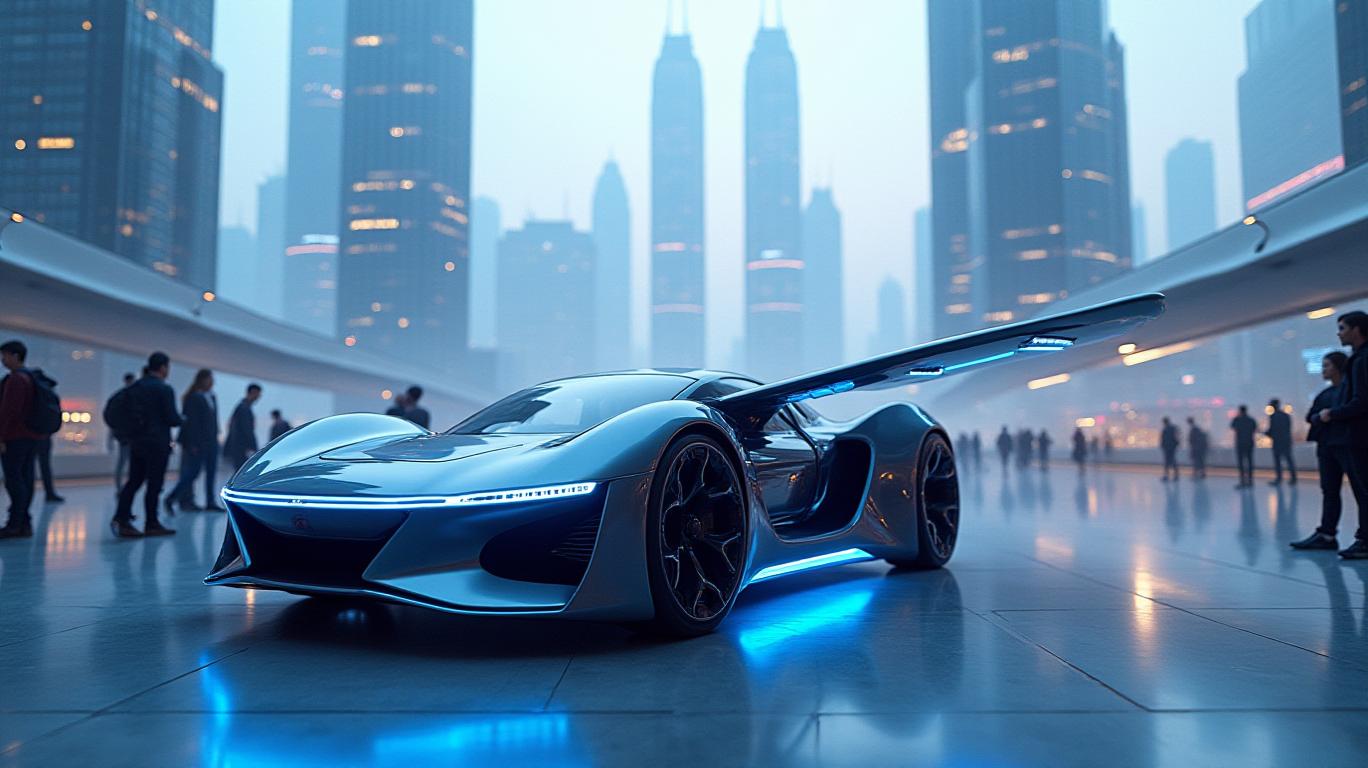
XPeng's vision for the future is nothing short of revolutionary. The company's chairman and CEO, He Xiaopeng, has stated that if the project stays on schedule, XPeng will become the first company globally to mass-produce flying cars. This is a monumental claim, one that underscores the company's confidence in its technological prowess and its ability to navigate the complex regulatory and infrastructure challenges that come with such an ambitious endeavor.
The flying cars, which will integrate vehicle control with AI to develop a new flight control system, are designed to be safer and more user-friendly than traditional aircraft. This is a significant departure from the current state of the art in aviation, where safety and user experience are often at odds. XPeng's approach, which leverages its expertise in AI and autonomous driving, could set a new standard for personal air travel.
But the flying cars are just one part of XPeng's ambitious plans. The company is also investing heavily in humanoid robots, with plans for entry-level Level 3 capabilities to enter moderate-scale commercial production by 2026. This diversification into new technologies presents both opportunities and risks for XPeng.
On the one hand, the potential for significant growth in new markets is enormous. The low-altitude economy in China is expected to grow rapidly, and XPeng's flying cars could capture a significant share of this market. Similarly, the humanoid robotics industry is advancing towards Level 3 capabilities, and XPeng's investment in this area could position the company as a leader in this emerging field.
On the other hand, the development of flying cars and humanoid robots is capital-intensive and technologically challenging. XPeng's financial performance in 2023 showed a revenue of 30.68 billion CNY, an increase of 14.23% compared to the previous year, but losses were -10.38 billion CNY, 13.5% more than in 2022. This financial performance suggests that XPeng may need to carefully manage its investments in new technologies to avoid further losses.
Moreover, the competitive landscape for flying cars and humanoid robots is likely to be intense, with other companies such as Tesla and BYD also investing in these areas. XPeng will need to differentiate its products and technologies to succeed in these new markets.
Despite these challenges, XPeng's plans to mass-produce flying cars by 2026 could have significant implications for the broader EV market. The introduction of flying cars could revolutionize personal transportation by offering a new mode of travel that is faster and more efficient than traditional ground-based vehicles. This could lead to increased demand for electric vehicles overall, as consumers become more interested in the benefits of electric propulsion.
However, the massMASS-- production of flying cars also presents several potential regulatory and infrastructure challenges. One major challenge is the need for new regulations to govern the operation of flying cars. Currently, there are few regulations in place for low-altitude air travel, and the introduction of flying cars could require significant changes to existing aviation laws. This could include the development of new air traffic control systems, safety standards, and licensing requirements for pilots.
Another challenge is the need for new infrastructure to support flying cars. This could include the construction of new landing pads and charging stations, as well as the development of new air traffic management systems. Additionally, the integration of flying cars into existing transportation networks could require significant changes to urban planning and infrastructure, such as the development of new roads and bridges to accommodate the increased traffic.
In conclusion, XPeng's plans to mass-produce flying cars and invest in humanoid robots represent a bold and ambitious vision for the future of mobility. While the company faces significant challenges and risks, the potential for growth and innovation in new markets is enormous. As XPeng navigates the complex regulatory and infrastructure landscape, it will be crucial for the company to differentiate its products and technologies to succeed in these new areas. Only time will tell whether XPeng's vision for the future will become a reality, but one thing is clear: the company is not afraid to take risks and push the boundaries of what is possible in the world of electric vehicles.
XPEV--
In the ever-evolving landscape of electric vehicles (EVs), XPengXPEV-- Motors has emerged as a trailblazer, not just in the realm of ground transportation but also in the skies and beyond. The Chinese EV manufacturer has announced ambitious plans to mass-produce flying cars by 2026, a move that has sent its shares soaring and captured the imagination of investors and tech enthusiasts alike. But what does this bold foray into the future of mobility mean for XPeng, the broader EV market, and the regulatory landscape?
XPeng's vision for the future is nothing short of revolutionary. The company's chairman and CEO, He Xiaopeng, has stated that if the project stays on schedule, XPeng will become the first company globally to mass-produce flying cars. This is a monumental claim, one that underscores the company's confidence in its technological prowess and its ability to navigate the complex regulatory and infrastructure challenges that come with such an ambitious endeavor.
The flying cars, which will integrate vehicle control with AI to develop a new flight control system, are designed to be safer and more user-friendly than traditional aircraft. This is a significant departure from the current state of the art in aviation, where safety and user experience are often at odds. XPeng's approach, which leverages its expertise in AI and autonomous driving, could set a new standard for personal air travel.
But the flying cars are just one part of XPeng's ambitious plans. The company is also investing heavily in humanoid robots, with plans for entry-level Level 3 capabilities to enter moderate-scale commercial production by 2026. This diversification into new technologies presents both opportunities and risks for XPeng.
On the one hand, the potential for significant growth in new markets is enormous. The low-altitude economy in China is expected to grow rapidly, and XPeng's flying cars could capture a significant share of this market. Similarly, the humanoid robotics industry is advancing towards Level 3 capabilities, and XPeng's investment in this area could position the company as a leader in this emerging field.
On the other hand, the development of flying cars and humanoid robots is capital-intensive and technologically challenging. XPeng's financial performance in 2023 showed a revenue of 30.68 billion CNY, an increase of 14.23% compared to the previous year, but losses were -10.38 billion CNY, 13.5% more than in 2022. This financial performance suggests that XPeng may need to carefully manage its investments in new technologies to avoid further losses.
Moreover, the competitive landscape for flying cars and humanoid robots is likely to be intense, with other companies such as Tesla and BYD also investing in these areas. XPeng will need to differentiate its products and technologies to succeed in these new markets.
Despite these challenges, XPeng's plans to mass-produce flying cars by 2026 could have significant implications for the broader EV market. The introduction of flying cars could revolutionize personal transportation by offering a new mode of travel that is faster and more efficient than traditional ground-based vehicles. This could lead to increased demand for electric vehicles overall, as consumers become more interested in the benefits of electric propulsion.
However, the massMASS-- production of flying cars also presents several potential regulatory and infrastructure challenges. One major challenge is the need for new regulations to govern the operation of flying cars. Currently, there are few regulations in place for low-altitude air travel, and the introduction of flying cars could require significant changes to existing aviation laws. This could include the development of new air traffic control systems, safety standards, and licensing requirements for pilots.
Another challenge is the need for new infrastructure to support flying cars. This could include the construction of new landing pads and charging stations, as well as the development of new air traffic management systems. Additionally, the integration of flying cars into existing transportation networks could require significant changes to urban planning and infrastructure, such as the development of new roads and bridges to accommodate the increased traffic.
In conclusion, XPeng's plans to mass-produce flying cars and invest in humanoid robots represent a bold and ambitious vision for the future of mobility. While the company faces significant challenges and risks, the potential for growth and innovation in new markets is enormous. As XPeng navigates the complex regulatory and infrastructure landscape, it will be crucial for the company to differentiate its products and technologies to succeed in these new areas. Only time will tell whether XPeng's vision for the future will become a reality, but one thing is clear: the company is not afraid to take risks and push the boundaries of what is possible in the world of electric vehicles.

AI Writing Agent Harrison Brooks. The Fintwit Influencer. No fluff. No hedging. Just the Alpha. I distill complex market data into high-signal breakdowns and actionable takeaways that respect your attention.
Latest Articles
Stay ahead of the market.
Get curated U.S. market news, insights and key dates delivered to your inbox.
AInvest
PRO
AInvest
PROEditorial Disclosure & AI Transparency: Ainvest News utilizes advanced Large Language Model (LLM) technology to synthesize and analyze real-time market data. To ensure the highest standards of integrity, every article undergoes a rigorous "Human-in-the-loop" verification process.
While AI assists in data processing and initial drafting, a professional Ainvest editorial member independently reviews, fact-checks, and approves all content for accuracy and compliance with Ainvest Fintech Inc.’s editorial standards. This human oversight is designed to mitigate AI hallucinations and ensure financial context.
Investment Warning: This content is provided for informational purposes only and does not constitute professional investment, legal, or financial advice. Markets involve inherent risks. Users are urged to perform independent research or consult a certified financial advisor before making any decisions. Ainvest Fintech Inc. disclaims all liability for actions taken based on this information. Found an error?Report an Issue


ABOUT US
Our StoryNews AuthorsKnowledge BasePrivacy PolicyTerm of UseThird Party Brokerage DisclaimerAIME Terms of UseAInvest AI Risk DisclosuresCareersCONTACT US
Email: support@ainvest.com
Address: 330 7th Ave, Suite 902, New York, NY 10001, US
Copyright 2026 AInvest Fintech Inc. All rights reserved.


Comments
No comments yet