
Why XOM Stock Tumbled in 2026 and What It Means for Energy Investors
 Aime Summary
Exxon Mobil’s stock fell sharply in March 2026, with its market cap set for its largest single-day loss since 2008, driven by investor optimism over potential de-escalation in the Middle East conflict. - Energy prices, including West Texas Intermediate crude oil, , signaling a shift in market sentiment as U.S. involvement in the conflict is expected to ease. - Despite the downturn, ChevronCVX-- and other energy companies like Diamondback EnergyFANG-- and Devon EnergyDVN-- remain well-positioned to outperform the S&P 500 in 2026 due to long-term market disruptions and infrastructure damage in the Middle East.
Energy investors are facing a complex landscape in early 2026 as geopolitical tensions in the Middle East shift rapidly. For months, the conflict drove oil prices and energy company valuations higher, but recent developments — particularly expectations of reduced U.S. military involvement — have sent a clear signal to the market: the outlook is changing. Exxon MobilXOM-- (XOM) and other energy sector leaders have seen sharp declines in early 2026, with broader implications for investors and traders alike.
Why Is XOMXOM-- Stock Falling in 2026?
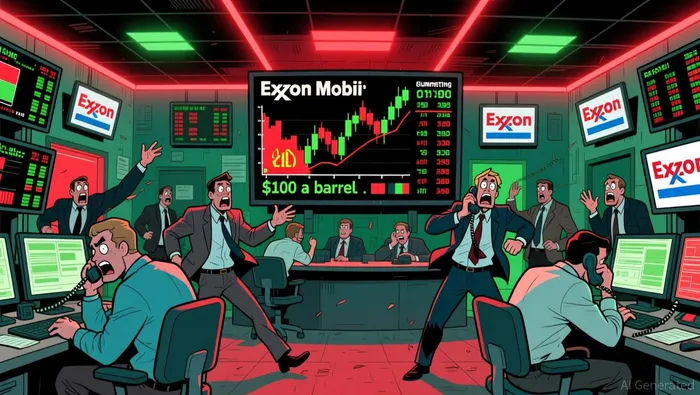
Investor expectations have shifted dramatically in March 2026. Reports of a likely de-escalation in the Middle East conflict have led to a drop in oil prices and a corresponding sell-off in energy stocks. Exxon Mobil, for instance, in a single day — its largest one-day drop since 2008. This decline reflects the sector's sensitivity to geopolitical events and highlights the risk of overvaluation in a market dependent on volatile geopolitical dynamics.
The broader energy sector has also been affected. Integrated oil giants and refiners, such as Chevron (CVX), have experienced declines alongside Exxon Mobil. The S&P 500 energy sector, which had enjoyed strong gains in March and during Q1 2026, has seen that momentum reverse. Investors who had positioned for continued price spikes are now reassessing their strategies in light of the evolving conflict outlook.
What Does This Mean for Chevron and Other Energy Stocks?
Despite the downturn, some energy stocks — including Chevron — remain strong performers. The long-term damage to infrastructure in the Middle East means that energy prices may stay elevated for months or even years. Chevron, with operations spanning the entire energy spectrum from exploration to refining, is well-positioned to benefit from this dynamic. , adding to its appeal for income-focused investors.
Other energy stocks, like Diamondback Energy and Devon Energy, are expected to outperform the S&P 500 in 2026 due to their aggressive production plans and recent strategic acquisitions. While short-term volatility remains a concern, these companies are poised to profit from a prolonged period of energy market instability.
Should Retail Investors Buy or Avoid Energy Stocks in 2026?
The energy sector is no stranger to volatility. For investors, the key is to balance exposure based on both short-term sentiment and long-term fundamentals. While the March 2026 sell-off has been significant, the underlying drivers — like infrastructure damage and ongoing global energy demand — suggest that the market is not finished with volatility.
Investors should monitor key indicators, including oil prices, geopolitical developments, and central bank policy shifts. A rise in inflation or unexpected escalation in the conflict could quickly reverse the current bearish sentiment. Until then, energy investors might consider a diversified approach — balancing high-conviction names like Chevron with more defensive or low-volatility assets.

Stay ahead of the market.
Get curated U.S. market news, insights and key dates delivered to your inbox.


AInvest
PRO
AInvest
PRO



Comments
No comments yet