
XLM -3.09% After US Bank Launches USD Stablecoin on Stellar Blockchain
 Aime Summary
Major U.S. Bank Launches USD-Backed Stablecoin on Stellar Blockchain
On November 27, 2025, US BankBANK-- announced the launch of a USD-backed stablecoin directly on the StellarXLM-- (XLM) blockchain, marking a significant step in the integration of blockchain technology within the traditional financial sector. The initiative is part of a broader trend where institutions are exploring tokenized assets to modernize cross-border and domestic payment systems.
The stablecoin, fully backed by the U.S. dollar, is being developed in collaboration with PwC and the Stellar Development Foundation (SDF). The project aims to create a bank-grade framework for issuing and managing regulated deposit tokens. US Bank plans to assess the stablecoin’s compliance, operational integrity, and integration with existing banking workflows.
This move positions the bank as a pioneer in the adoption of blockchain technology, particularly in utilizing public blockchains for financial innovation. The initiative is being closely monitored by industry observers, who see it as a potential blueprint for other financial institutions seeking to enter the tokenized finance space.
Stellar’s Role in Bridging Traditional and Digital Finance
Stellar’s technology is being leveraged for its speed, cost efficiency, and suitability for asset tokenization. The network’s infrastructure includes features such as asset freezing, transaction unwinding, and compliance controls embedded at the protocol level—capabilities that align with the requirements of regulated financial institutions.
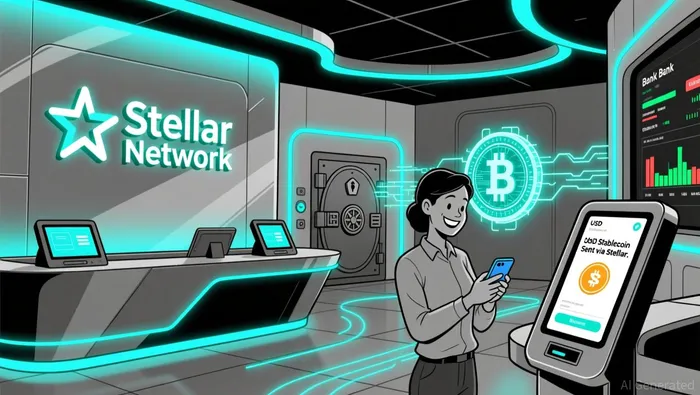 According to US Bank’s digital assets head, the Stellar network’s ability to enforce regulatory standards at the blockchain layer is a key differentiator. The project emphasizes the potential for Stellar to act as a structural bridge between traditional banking systems and blockchain-based settlement solutions.
PwC is managing the compliance and regulatory architecture, while the Stellar Development Foundation is responsible for technical integration. This partnership reflects a strategic approach to addressing the regulatory and technological challenges of stablecoin issuance.
Implications for the Broader Financial Ecosystem
The testTST-- launch coincides with a growing institutional interest in stablecoins and digital assets. With projections suggesting that stablecoin payments could reach $1 trillion annually by 2030, U.S. banks are under pressure to innovate and remain competitive in the digital finance space.
The success of this initiative could pave the way for broader adoption of bank-issued stablecoins, potentially revolutionizing cross-border payments and treasury operations. If other major banks follow US Bank’s lead, the market for tokenized assets could expand significantly.
Stellar’s architecture, optimized for global remittances and instant settlement, is increasingly viewed as an attractive solution for financial institutions seeking to modernize their infrastructure. The initiative underscores the network’s growing relevance in the digital asset ecosystem, particularly for institutions seeking to blend traditional and blockchain-based financial operations.
Looking Ahead: Institutional Adoption and Future Developments
Industry observers are now closely watching whether US Bank will move forward with commercial deployment of the stablecoin following the pilot. The outcome of the test could influence the pace at which other financial institutions adopt similar programs.
The project represents more than just a technological experiment—it is a strategic step toward integrating stablecoins into mainstream banking services. As institutional confidence in blockchain-based payment systems grows, Stellar’s role in this transition could become increasingly significant.

Delivering real-time analysis and insights on unexpected cryptocurrency price movements to keep traders ahead of the curve.
Latest Articles
Stay ahead of the market.
Get curated U.S. market news, insights and key dates delivered to your inbox.


AInvest
PRO
AInvest
PRO



Comments
No comments yet