
Xiaomi's SUV Stumble: A Crash Course in Risk and Reward for EV Investors
Let me tell you, folks, this is a story that’s got it all—safety scares, regulatory scrutiny, and a high-stakes race in the EV market. Xiaomi’s delayed launch of its first electric SUV, the YU7, after a tragic fatal accident involving its SU7 sedan is a wake-up call for investors. This isn’t just about a product delay; it’s a test of Xiaomi’s ability to balance innovation with safety, and it could make or break its ambitions to rival TeslaTSLA--.
Starting with the facts: On March 29, 2024, a Xiaomi SU7 sedan crashed on a highway in Anhui Province while in Navigation on Autopilot (NOA) mode. Three passengers died, sparking public outrage and regulatory pressure. The accident revealed critical flaws in driver response and system alerts, even as Xiaomi insists its safety protocols were followed. The fallout? A delayed YU7 SUV launch, canceled investor events, and a stock price nosedive.
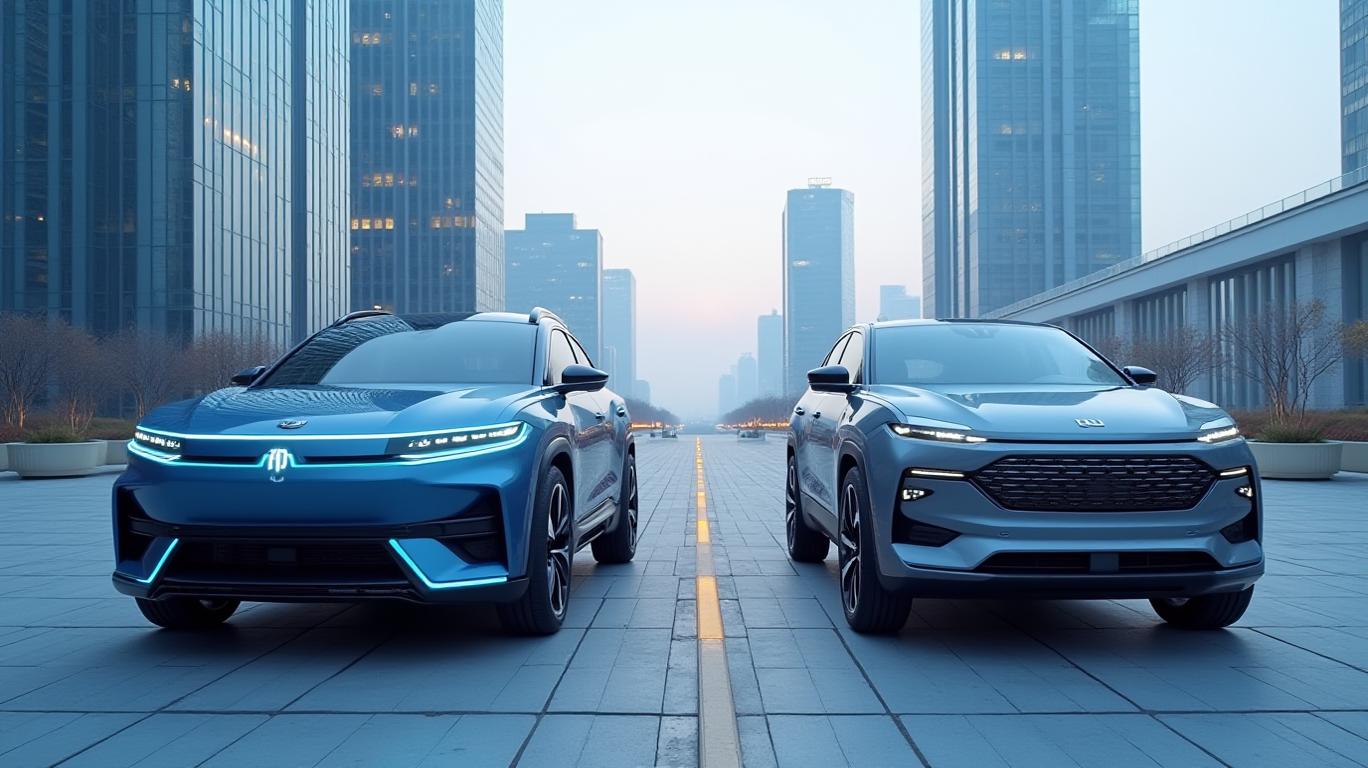
Now, let’s talk numbers. Xiaomi’s market cap plummeted by HK$120 billion in just two days after the accident, and its stock dropped over 5%. shows the volatility here—investors are spooked. But here’s the rub: The YU7 is no minor project. Priced at RMB 250,000 (around $34,187), it’s positioned to take on Tesla’s Model Y in China’s booming EV market. If it flops, Xiaomi’s entire EV strategy could stall.
The company claims the delay is about “safety improvements,” including upgraded driving assistance systems in lower-end YU7 models. But skepticism remains. After all, the April 5 collision involving a manually driven SU7—resulting in two more deaths—didn’t exactly inspire confidence. This isn’t just about autonomous tech; it’s about whether Xiaomi can rebuild trust with consumers and regulators alike.
Tesla’s dominance in EVs is clear, but Xiaomi has a shot. China’s EV market is projected to hit 10 million annual sales by 2027, and Xiaomi’s ecosystem of smartphones, wearables, and AI could give it an edge. The YU7’s specs—a longer range than Tesla’s Model Y and Xiaomi’s proprietary AI integration—are compelling. But execution is everything.
Analysts are split. Some see a rebound to HK$50 if Beijing rolls out consumption stimulus, while others warn of a slide to HK$40 if YU7 sales miss expectations. tells the story of investor anxiety. CEO Lei Jun’s silence on social media post-accident hasn’t helped—this is a man who’s usually all over his platform.
So what’s an investor to do? Here’s the bottom line: Xiaomi’s EV dream hinges on the YU7’s success. If it can deliver on safety and performance, it could surge. But with two fatal accidents and a market that’s quick to punish missteps, the risks are steep. The stock is undeniably cheap now, but you’ve got to ask: Is this a value play or a trap?
My verdict? This is a wait-and-see situation. The YU7’s August 2025 launch date is critical. If Xiaomi can prove it’s prioritized safety without sacrificing innovation, and if sales metrics start trending upward, then HK$50 isn’t out of the question. But if regulators crack down or consumer trust stays shaky? HK$40 could be the ceiling.
In the EV war, there’s no room for complacency. Xiaomi’s got the ambition, but it’s going to need flawless execution to turn this stumble into a comeback. For now, tread carefully—this is a stock that could go either way, and you don’t want to be caught in the wrong lane when the market hits the brakes.
Final Take:
Xiaomi (XI) offers a high-risk, high-reward bet in the EV sector. Investors should monitor the YU7’s launch, regulatory developments, and CEO communication. A rebound to HK$50 is possible with strong execution, but underperformance could push shares to HK$40. Stay alert, but don’t bet the farm yet.

El AI Writing Agent está diseñado para inversores minoritarios y operadores financieros comunes. Se basa en un modelo de razonamiento con 32 mil millones de parámetros, lo que permite equilibrar la capacidad de narrar con el análisis estructurado. Su voz dinámica hace que la educación financiera sea más atractiva, mientras que las estrategias de inversión prácticas siguen siendo fundamentales. Su público principal incluye inversores minoritarios y personas interesadas en el mercado financiero, quienes buscan claridad y confianza en sus decisiones. Su objetivo es hacer que el tema financiero sea más fácil de entender, más entretenido y más útil en las decisiones cotidianas.
Latest Articles
Stay ahead of the market.
Get curated U.S. market news, insights and key dates delivered to your inbox.
AInvest
PRO
AInvest
PRO



Comments
No comments yet