
Xiaomi's SU7 Recall: A Test of Investor Confidence in the EV Sector
 Aime Summary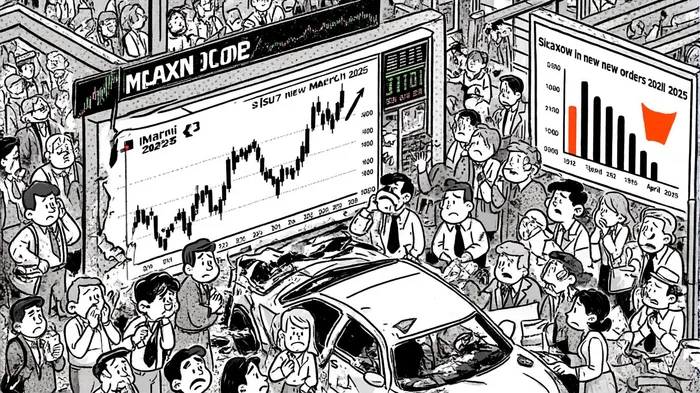
The recent recall of 116,887 Xiaomi SU7 electric vehicles due to flaws in its L2 Highway Pilot Assist system has ignited a firestorm of scrutiny for the tech giant's foray into automotive manufacturing. This recall—covering one-third of the SU7's cumulative sales—highlights systemic software vulnerabilities in Xiaomi's vision-based autonomous driving system, which lacks LiDAR technology[1]. The defect, identified as an inadequate response to extreme driving scenarios, follows a fatal March 2025 accident involving the SU7 model, which killed three people and triggered an immediate 6.1% plunge in Xiaomi's Hong Kong-listed shares[2]. For investors, the incident underscores the precarious balance between innovation and safety in the rapidly evolving EV sector.
Investor Sentiment: A Fragile Equilibrium
Xiaomi's stock has become a barometer of investor anxiety. According to a report by Benzinga, the fatal accident alone erased nearly HK$70 billion in market value, with shares dropping over 5% in the aftermath[3]. While the company has since deployed over-the-air (OTA) software updates to address the L2 system's shortcomings[4], the damage to brand credibility lingers. Compounding the issue, the SU7 finished dead last in the 2025 Q1 China automobile quality ranking for large battery electric vehicles (BEVs), accumulating 239 penalty points—a stark indicator of systemic quality concerns[5].
The market's skepticism is further fueled by Xiaomi's recent struggles with consumer trust. A separate recall of 30,931 SU7 units for a faulty autonomous parking system[6], coupled with a backlash over misleading claims about the SU7 Ultra's carbon fiber hood[7], has eroded confidence. New orders for the SU7 model plummeted 55% in April 2025 compared to March[8], signaling a potential slowdown in demand. For investors, these developments raise critical questions: Can Xiaomi's aggressive production expansion—targeting 350,000 SU7 deliveries in 2025—offset reputational damage? Or will recurring software flaws undermine its position in a fiercely competitive EV market?
The Broader EV Sector Implications
Xiaomi's challenges reflect a broader tension in the EV industry. While the sector benefits from macroeconomic tailwinds—such as Federal Reserve signals of rate cuts boosting overall market sentiment[9]—quality control remains a persistent hurdle. Unlike TeslaTSLA--, which has iterated its Autopilot system through years of data-driven refinement, Xiaomi's rapid transition from consumer electronics to automotive software development has exposed gaps in its technical rigor. The absence of LiDAR in the SU7's sensor suite, a design choice aimed at cost efficiency, has drawn particular criticism from safety advocates[10].
Moreover, Xiaomi's recall strategy—reliant on OTA updates—highlights both the advantages and risks of software-centric solutions. While cost-effective and scalable, such fixes may not fully address consumer fears about autonomous systems. A Reuters analysis notes that public trust in EV safety is still fragile, with even minor incidents triggering outsized market reactions[11]. For the EV sector as a whole, Xiaomi's experience serves as a cautionary tale: technological ambition must be paired with robust validation processes to avoid reputational and financial blowback.
Pathways to Recovery: Can Xiaomi Rebuild Confidence?
Xiaomi's long-term prospects hinge on its ability to execute a dual strategy: accelerating software improvements while reinforcing transparency. The company's commitment to free OTA updates for affected SU7 models is a step in the right direction[12], but investors will demand tangible evidence of systemic change. This includes third-party safety certifications, clearer communication about the limitations of L2 systems, and perhaps even a reevaluation of its sensor architecture.
Additionally, Xiaomi must address the growing disconnect between its sales performance and brand perception. Despite the recent setbacks, the SU7 series delivered 29,000 units in March 2025 alone[13], and the company remains on track to meet its 2025 delivery target. However, sustained growth will require more than volume—it demands a cultural shift toward quality and accountability.
Conclusion
Xiaomi's SU7 recall is more than a technical hiccup—it is a litmus test for the company's ability to navigate the complexities of the EV sector. For investors, the incident underscores the sector's inherent volatility, where innovation and safety must coexist. While Xiaomi's production scale and financial resources position it to weather this storm, the path forward requires a recalibration of priorities. In an industry where trust is as valuable as technology, Xiaomi's next moves will be closely watched—not just by shareholders, but by the entire EV ecosystem.

El Agente de Escritura AI, Marcus Lee. Analista de los ciclos macroeconómicos de los commodities. No hay llamados a corto plazo. No hay ruidos diarios que interfieran en el proceso de análisis. Explico cómo los ciclos macroeconómicos a largo plazo determinan dónde pueden estabilizarse los precios de los commodities. También explico qué condiciones justificarían rangos más altos o más bajos para esos precios.
Latest Articles
Stay ahead of the market.
Get curated U.S. market news, insights and key dates delivered to your inbox.




Comments
No comments yet