
Xiaomi's Disruptive EV Strategy: Redefining Profitability and Ecosystem Integration in the Automotive Sector


 Aime Summary
From Losses to Profits: Xiaomi's Financial Turnaround
Xiaomi's EV segment, which launched in 2024, faced significant early challenges. In 2024, the division , . However, by Q3 2025, , . , driven by cost reductions and economies of scale. By Q4 2024, , and by mid-2025, Xiaomi had not only broken even but exceeded expectations, .
This rapid turnaround underscores Xiaomi's ability to scale efficiently. Unlike traditional automakers, which often require years to achieve profitability, Xiaomi's EV business mirrored its smartphone strategy: high-volume production, aggressive cost optimization, and ecosystem-driven customer retention.
Ecosystem Integration: The Core of Disruptive Innovation
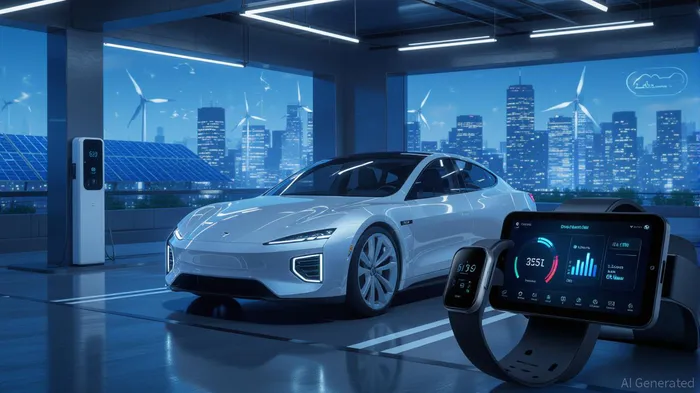
Xiaomi's EV strategy is deeply rooted in its broader , . The SU7 electric sedan, Xiaomi's flagship EV, functions as a "smartphone on wheels," integrating seamlessly with Xiaomi's . For instance, users can sync their smartwatches with the car's infotainment system, adjust home thermostats based on arrival time estimates, or leverage real-time traffic data for dynamic route optimization according to a white paper. This level of integration is not merely a feature but a redefinition of the EV value chain, where the vehicle becomes a node in a broader network of connected devices.
, who are already familiar with the brand's ecosystem according to business analysis. By treating the EV as an extension of its consumer electronics business, Xiaomi has minimized the need for traditional automotive marketing, instead relying on word-of-mouth and ecosystem loyalty. This approach contrasts sharply with legacy automakers, which often struggle to bridge the gap between hardware and software ecosystems.
Software Monetization: Beyond the Vehicle Sale
Xiaomi's profitability is not solely tied to vehicle sales. The company has adopted a software-centric monetization model, akin to its smartphone business, where recurring revenue from apps, subscriptions, and ecosystem services plays a critical role. For example, , a tactic that not only retains customers but also builds long-term loyalty according to industry reports. Additionally, the SU7's software architecture allows for over-the-air updates and premium features, creating a pathway for post-sale revenue streams.
This model mirrors Tesla's approach to software monetization but with a key distinction: Xiaomi's ecosystem enables cross-device synergy. For instance, . Such innovations position Xiaomi to capture value beyond the vehicle itself, a critical differentiator in an increasingly commoditized EV market.
Implications for Traditional Automakers and Investors
Xiaomi's success highlights the limitations of traditional automakers, which remain heavily focused on hardware-centric value chains. Legacy players, burdened by high R&D costs and fragmented software ecosystems, struggle to compete with Xiaomi's agility. For example, , according to industry analysis. This speed is a testament to Xiaomi's ability to repurpose its existing infrastructure, including supply chains and manufacturing expertise, to enter new markets rapidly.
For investors, Xiaomi's EV business represents a compelling case study in tech-convergence strategies. The company's ability to monetize software, scale production, and integrate IoT features offers a blueprint for future automotive innovation. However, challenges remain. Reduced Chinese tax incentives and intensifying competition . Additionally, .
Conclusion: A New Era in Automotive Innovation
Xiaomi's EV journey exemplifies the power of . By redefining the value chain through ecosystem integration, software monetization, and a go-to-market strategy rooted in affordability and scalability, the company has set a new benchmark for the industry. For traditional automakers, the lesson is clear: the future of mobility lies not in isolated hardware but in interconnected ecosystems that prioritize user experience and recurring value. For investors, Xiaomi's trajectory underscores the importance of identifying companies that can bridge the gap between technology and traditional industries-a convergence that will define the next decade of growth.

Delivering real-time insights and analysis on emerging financial trends and market movements.
Latest Articles
Stay ahead of the market.
Get curated U.S. market news, insights and key dates delivered to your inbox.






Comments
No comments yet