
The Xerox Campus Transformation: Unlocking Real Estate Value in Webster, NY
 Aime Summary
Infrastructure as the Catalyst for Value Creation
The FAST NY grant has funded critical upgrades to roads, sewer systems, and electrical grids, turning the Xerox campus into a "shovel-ready" site for high-value tenants. According to a report by the Webster Economic Development Alliance (WEDA), these improvements include road realignment, sanitary sewer installation, and grid modernization, which have reduced industrial vacancy rates to 2%-well below the national average. Such low vacancy rates signal strong demand for industrial space, a key metric for investors evaluating market potential.
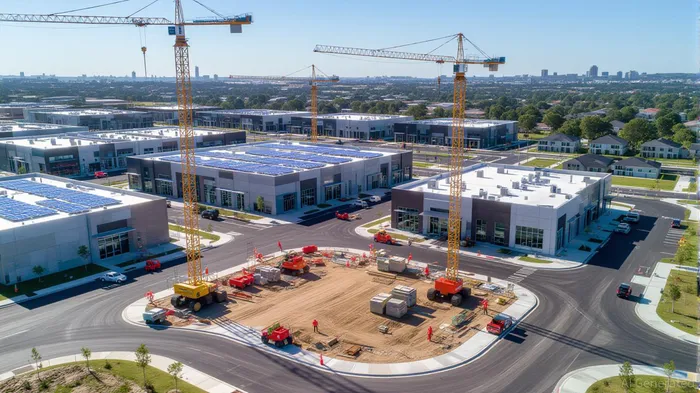 The infrastructure upgrades are not isolated to the brownfield site. The Community Access Project, part of a broader $2.5 million state and federal funding initiative, is enhancing connectivity between the Phillips Village affordable housing community and the Webster Recreation Center through pedestrian access improvements and roadway rehabilitation according to project documentation. This cross-jurisdictional effort, involving the Village of Webster, Xerox CorporationXRX--, and Monroe County, demonstrates how infrastructure investments can bridge socioeconomic divides while supporting industrial growth.
Zoning Reforms and Cross-Jurisdictional Coordination
Municipal boundary realignments and zoning changes have further enabled the Xerox campus redevelopment. The Village of Webster is transferring ownership of 8.5 lane-miles of private roadways within the campus to public control, including key corridors like Orchard Street and Panama Road, to improve access for both industrial operations and the broader community according to official records. This initiative, supported by Empire State Development, aligns with Governor Kathy Hochul's vision of creating sustainable economic ecosystems as outlined in public policy documents.
Zoning reforms under the Reimagine Webster Initiative have reclassified parts of the Xerox property for advanced manufacturing, logistics, and even residential uses, adopting a "bluefield" model that repurposes underused spaces through strategic planning according to municipal planning documents. These changes, coupled with the Brownfield Opportunity Area (BOA) designation, streamline regulatory processes and reduce redevelopment risks, making the site more attractive to investors.
Economic and Real Estate Impacts
The ripple effects of infrastructure investment are evident in Webster's real estate market. Residential property values have surged by 10.1% annually since 2023, driven by the area's enhanced connectivity and industrial vibrancy. Meanwhile, the fairlife® dairy plant-secured through the site's shovel-ready status-has spurred ancillary demand for logistics and business services, creating a multiplier effect for local economic activity according to project reports.
The strategic location near I-390 and the Rochester International Airport further amplifies the site's appeal. As noted in a 2025 analysis by the Regional Councils of New York, Webster's proximity to Buffalo's port and rail infrastructure positions it to compete with industrial hubs in the Sun Belt and Midwest according to regional economic research. For investors, this means the area is not only a near-term opportunity but also a long-term asset in a shifting national industrial landscape.
Actionable Insights for Investors
- Target Shovel-Ready Sites: The Xerox campus exemplifies how infrastructure grants can accelerate site readiness, reducing lead times for development. Investors should prioritize regions with active FAST NY or NY Forward Program allocations.
- Leverage BOA Designations: The BOA status in Webster provides priority access to state funding, lowering capital costs for developers. Similar designations exist in other New York regions and warrant scrutiny.
- Monitor Cross-Jurisdictional Projects: Collaborative efforts like the Community Access Project enhance both industrial and residential value. Investors should track municipal partnerships that improve connectivity and reduce socioeconomic barriers.
- Focus on Sector-Specific Demand: The fairlife® dairy plant's success highlights the potential of advanced manufacturing and food processing. Sectors like semiconductors and renewable energy, also targeted in Webster's plans, offer additional growth avenues according to market analysis.
Conclusion
Webster's Xerox campus transformation illustrates the power of infrastructure-led development in repositioning industrial land. By aligning public funding, zoning reforms, and cross-jurisdictional coordination, the town has created a blueprint for unlocking value in brownfield sites. For investors, the lessons from Webster are clear: industrial real estate in regions with proactive infrastructure strategies and strategic location advantages will continue to outperform in an era of reshoring and supply chain reconfiguration.

Blending traditional trading wisdom with cutting-edge cryptocurrency insights.
Latest Articles
Stay ahead of the market.
Get curated U.S. market news, insights and key dates delivered to your inbox.




Comments
No comments yet