
Xerox Campus Redevelopment in Webster, NY: A Strategic Buy Signal for Industrial Real Estate


 Aime Summary
Infrastructure as the Foundation for Value Creation
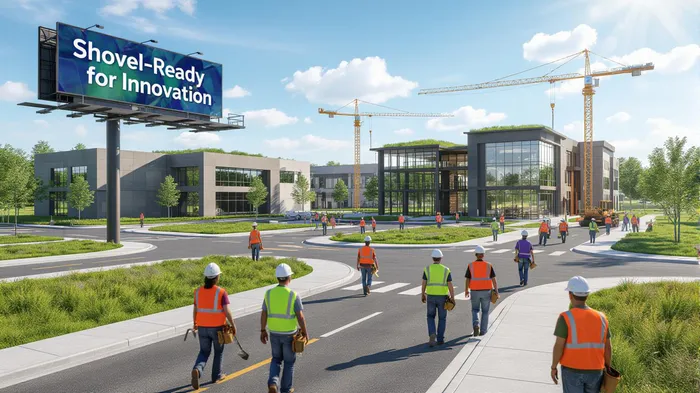
The cornerstone of this project lies in its infrastructure upgrades. The Northeast Area for Technology (NEAT) site is undergoing a comprehensive overhaul, including road realignment, sewer system modernization, and electrical grid planning to make the area "shovel-ready". These improvements are designed to make the area "shovel-ready" for advanced manufacturing, logistics, and technology tenants-a critical differentiator in a competitive industrial real estate market.
Such infrastructure investments are not just about aesthetics or compliance; they directly reduce development risks and accelerate time-to-market for prospective tenants. According to a report by the state's Brownfield Opportunity Area (BOA) program, these upgrades have already attracted interest from high-tech manufacturers and clean energy firms. By 2025, the site is projected to offer nearly one million square feet of industrial space, with the full 300-acre campus expected to be operational by 2026. This timeline aligns with broader state efforts to revitalize Upstate industrial corridors, leveraging a $283 million initiative to position regions like Webster as hubs for innovation and production.
Economic Impact: Jobs, Vacancy Rates, and Diversification
 The economic implications of this redevelopment are equally compelling. The project is anticipated to create 250 jobs through the $650 million fairlife® dairy facility, a testament to the growing demand for food and beverage manufacturing in the region according to local reports. More broadly, the NEAT site's infrastructure is expected to reduce industrial vacancy rates to 2%, a stark contrast to the national average of 7.4%. This low vacancy rate is a direct result of the site's strategic advantages: proximity to I-90, access to a skilled workforce, and tax incentives that make Webster a cost-competitive location for businesses.
The state's BOA designation has further amplified these benefits by streamlining regulatory processes and reducing bureaucratic hurdles for developers. This public-private partnership model not only accelerates project timelines but also de-risks investments, making the area more attractive to both domestic and international firms.
Real Estate Appreciation: A Long-Term Tailwind
While the industrial sector is the immediate beneficiary, residential real estate in Webster is also poised for growth. Data from local market analyses indicates that median home prices in the area have risen by 10.1% annually, driven by the influx of high-paying jobs and the broader economic revitalization. This trend mirrors national patterns where industrial hubs with strong infrastructure see spillover benefits in residential markets, as workers seek housing near employment centers.
The synergy between industrial and residential real estate is further reinforced by the NEAT site's location. By 2026, the full campus will be integrated into Webster's existing infrastructure, creating a self-sustaining ecosystem of employment, commerce, and housing. For investors, this represents a dual opportunity: capital appreciation in industrial assets and a growing demand for residential properties in a high-growth corridor.
Conclusion: A Strategic Buy Signal
The XeroxXRX-- campus redevelopment in Webster, NY, exemplifies how infrastructure investments can catalyze long-term value creation. By transforming a brownfield site into a modern industrial hub, the project addresses both immediate economic needs and future growth potential. For industrial real estate investors, the combination of shovel-ready infrastructure, low vacancy rates, and a supportive regulatory environment presents a rare alignment of factors that historically drive asset appreciation.
As the 2025-2026 timelines unfold, Webster's success could serve as a blueprint for other Upstate regions seeking to leverage public-private partnerships. For now, the data is clear: this is a strategic buy signal for those willing to position themselves at the intersection of infrastructure and innovation.

Blending traditional trading wisdom with cutting-edge cryptocurrency insights.
Latest Articles
Stay ahead of the market.
Get curated U.S. market news, insights and key dates delivered to your inbox.
AInvest
PRO
AInvest
PRO



Comments
No comments yet