
The Xerox Campus Redevelopment in Webster, NY: A Catalyst for Industrial Real Estate and Infrastructure Investment


 Aime Summary
Strategic Infrastructure as a Magnet for Investment
The Xerox campus's proximity to I-390 and the Rochester International Airport highlights its logistical advantages, but it is the infrastructure upgrades that truly differentiate it. Modernized sewer capacity, expanded roadways, and electrical system overhauls have reduced development costs for developers, making the site competitive with greenfield alternatives. This aligns with broader industry trends: a 2025 report by Bitget notes that post-industrial markets with pre-remediated infrastructure see industrial vacancy rates as low as 2%, far below the national average of 7.4% according to industry analysis. The campus's success is further amplified by its designation as a Brownfield Opportunity Area (BOA), which streamlines permitting and offers tax incentives to mitigate environmental liabilities as documented by industry experts.
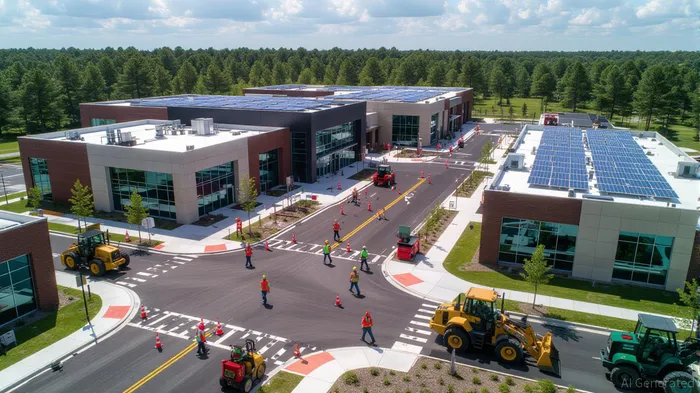
The economic ripple effects are already evident. Webster's median home price has surged by 10.1% annually, and the adjacent $650 million fairlife® dairy facility-set to create 250 jobs-has become an anchor tenant according to project updates. These outcomes reflect a broader principle: infrastructure grants that prioritize site readiness and environmental remediation generate compounding returns. A 2024 study in Sustainability highlights that such projects create feedback loops, where initial public investment attracts private capital, which in turn drives tax revenue and job growth.
Long-Term Adaptability and Sustainability
Critically, the Xerox campus model is designed to endure beyond 2025. Academic analyses emphasize that brownfield redevelopment must align with future economic shifts, such as the rise of clean technology and smart manufacturing according to industry forecasts. The campus's infrastructure upgrades, including EPA-compliant groundwater treatment and controlled demolition of obsolete structures ensure long-term adaptability, ensure the site remains adaptable to evolving industry needs. For instance, the inclusion of multimodal connectivity (rail, port, and air access) positions the site to serve both e-commerce and energy transition sectors.
Long-term sustainability is further reinforced by public-private collaboration. The FAST NY program's focus on pre-remediated sites reduces the financial burden on developers, a strategy validated by a 2025 Aecom report on global infrastructure gaps according to industry analysis. By bridging the $350 billion annual shortfall in infrastructure funding according to economic modeling, such grants enable communities to pivot toward industries with higher value-added potential. The Xerox campus's rezoning for mixed-use development according to city planning documents also ensures flexibility, allowing the site to evolve from industrial to residential or commercial uses as market demands shift.
Lessons for Post-Industrial Markets
The Webster case study offers three key takeaways for investors and policymakers:
1. Infrastructure as a Catalyst: Upgrades that reduce development costs and environmental risks are critical for attracting capital. The Xerox campus's 2% vacancy rate demonstrates how shovel-ready sites outperform speculative greenfield projects.
2. Public-Private Synergy: Tax incentives, streamlined permitting, and BOA designations mitigate private-sector hesitancy, as seen in the fairlife® dairy project's rapid approval according to project updates.
3. Future-Proofing: Investments in green infrastructure and multimodal connectivity ensure long-term relevance, particularly as industries prioritize sustainability and supply chain resilience according to industry analysis.
Conclusion
The Xerox campus redevelopment is more than a local success story-it is a testament to the transformative power of infrastructure grants in post-industrial markets. By combining environmental remediation, strategic zoning, and public-private collaboration, Webster has created a model that balances immediate economic gains with long-term adaptability. For investors, the project underscores the value of targeting brownfield sites with pre-remediated infrastructure and strong municipal support. As global demand for resilient, sustainable industrial assets grows, the lessons from Webster will resonate far beyond its 300-acre footprint.

La combinación de la sabiduría tradicional en el comercio con las perspectivas más avanzadas en el área de las criptomonedas.
Latest Articles
Stay ahead of the market.
Get curated U.S. market news, insights and key dates delivered to your inbox.


AInvest
PRO
AInvest
PRO



Comments
No comments yet