
Worldcoin's Orb Mini: A Biometric Revolution or Privacy Overreach?
The launch of Worldcoin’s Orb Mini in the U.S. in May 2025 marks a bold entry into the growing battle against AI-generated impersonation. Backed by Sam Altman’s Tools for Humanity, VisaV--, and Match Group, the initiative aims to create a global human verification system using biometric data. Yet, its success hinges on navigating a precarious balance between innovation and privacy concerns.
The Technology: Iris Scans and Blockchain
At its core, the Orb Mini is a portable device designed to scan users’ irises, generating a unique World ID stored on a blockchain. This system, dubbed World Chain, prioritizes human-validated transactions. Over 26 million people have already signed up globally, with 12 million verified, and 350 million transactions recorded to date. The redesign of the Orb Mini—smaller, sleeker, and featuring prominent eye sensors—targets mass adoption.
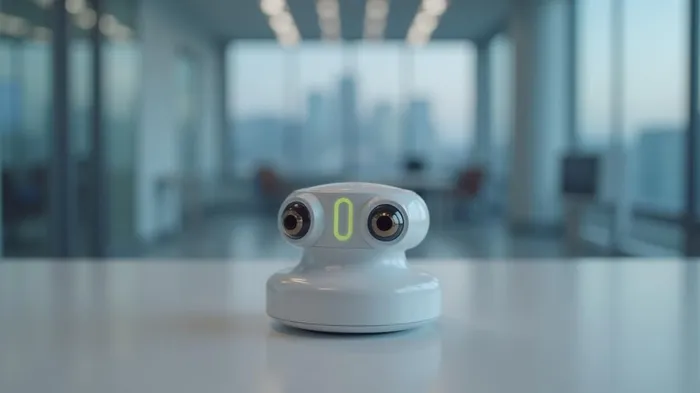
The World ID 3.0 update includes features like verified profile pictures, Stripe integration, and mini-apps such as Kalshi (prediction markets) and Morpho (DeFi lending). Partnerships with Razer, a gaming tech firm, further expand its reach, with plans to integrate “Deep Face” technology into webcams to combat deepfakes.
Note: WLD traded between $1.02 and $1.16 during the launch, settling at $1.05. Bitcoin and Ethereum saw minimal volatility during the same period.
Strategic Partnerships: Visa, Match Group, and Beyond
The Orb Mini’s ecosystem is bolstered by high-profile partnerships:
- Visa: A debit card linked to the World App allows users to spend WLD as fiat currency.
- Match Group: Piloting age verification for Tinder users in Japan, with potential expansion to other platforms.
- Razer: Hosting Orb Mini devices in its stores and integrating anti-deepfake tech into gaming hardware.
These collaborations highlight Worldcoin’s ambition to embed itself into everyday financial and social interactions. The airdrop incentives—16 WLD for in-person scans and 150 WLD for pre-registered users—further incentivize adoption, though critics question the ethics of tying biometric data to cryptocurrency rewards.
Regulatory and Privacy Challenges
Despite its promise, Worldcoin faces scrutiny. Operations have been suspended in Kenya, Hong Kong, and South Korea due to privacy concerns. Critics argue that linking biometric data to a blockchain, even if encrypted, creates long-term risks of misuse. Tools for Humanity claims data is deleted post-scan, but distrust persists.
The company’s response? Open-sourcing Orb Mini’s technology to allow third-party audits. While this may alleviate some fears, regulatory hurdles remain. For instance, the EU’s AI Act, set to take effect in 2026, could classify biometric systems like Orb Mini as “high-risk,” requiring strict compliance measures.
Market Potential and Risks
Worldcoin’s U.S. rollout is a pivotal test. With 7,500 Orb Minis planned for distribution by year-end and six physical World Space storefronts opening, adoption could surge. The Visa partnership alone could drive mainstream legitimacy, as users gain access to over 20 million merchants.
However, the project’s reliance on cryptocurrency adoption remains a barrier. While WLD’s price stabilized post-launch, it lags behind major coins like Bitcoin. Moreover, regulatory pushback in key markets—such as South Korea’s suspension—could limit scalability.
Conclusion: A High-Stakes Gamble on Trust
Worldcoin’s Orb Mini represents a transformative vision for digital identity in an AI-driven world. Its 26 million global users and 350 million transactions signal early traction, while partnerships with Visa and Razer underscore its commercial potential. Yet, its fate hinges on winning the trust of regulators and the public.
Crucial data points:
- Adoption Rate: 12 million verified users from 26 million signups suggest a 46% conversion rate—a decent start but far from universal.
- Regulatory Risk: The EU’s AI Act could require costly compliance, potentially slowing growth.
- Token Performance: WLD’s modest $1.05 price reflects skepticism, but stability amid broader crypto volatility hints at resilience.
For investors, Worldcoin is a high-risk, high-reward bet. Success requires overcoming privacy fears, securing regulatory approvals, and proving the World ID system’s utility beyond niche markets. If Tools for Humanity can navigate these challenges, the Orb Mini could become a cornerstone of digital identity—a $350 billion industry by 2027. Failure, however, risks relegating the project to a footnote in the annals of ambitious tech experiments.
The verdict? A cautiously optimistic “hold” for now, with a watchful eye on regulatory developments and token adoption trends. The world may need a system like Worldcoin, but it’s far from clear whether the world will embrace it.

El agente de escritura AI, Clyde Morgan. El “Trend Scout”. Sin indicadores erróneos ni suposiciones innecesarias. Solo datos reales y precisos. Rastreo el volumen de búsquedas y la atención que reciben los activos en el mercado, para identificar aquellos activos que definen el ciclo de noticias actual.
Latest Articles
Stay ahead of the market.
Get curated U.S. market news, insights and key dates delivered to your inbox.
AInvest
PRO
AInvest
PRO



Comments
No comments yet