
World Mobile Unveils Stratospheric Drone Network for 18x Cheaper Connectivity
 Aime Summary
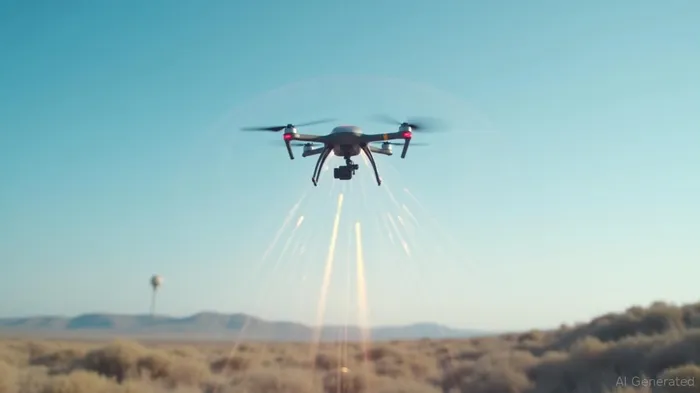
World Mobile has launched a novel telecom initiative that leverages drone-based, decentralized infrastructure to deliver wireless connectivity. The project, dubbed World Mobile Stratospheric, involves the use of hydrogen-powered drones flying at 60,000 feet in the stratosphere to beam wireless services to users globally. Each drone can cover up to 15,000 square kilometers using 450 guidable beams, offering low latency of just 6ms and a cost-effective solution, with connectivity costs potentially up to 18 times cheaper per gigabyte compared to satellite-based systems [1].
The initiative is a partnership with Indonesia-based telecom company Protelindo and integrates with World Mobile’s existing decentralized physical infrastructure network (DePin), which combines traditional telecom infrastructure with independent providers to expand coverage in underserved regions. This hybrid model allows the company to patch dead zones and extend reliable service without relying solely on centralized infrastructure [1].
Technical and regulatory challenges remain significant. The drones, each with a 56-meter wingspan and weighing four tons, are designed to stay airborne for nine days before landing at designated refueling stations. Achieving this requires optimized fuel efficiency and durability against atmospheric conditions, including cosmic radiation and extreme solar exposure. Meeting aviation regulatory standards from bodies like the U.S. Federal Aviation Administration (FAA) and the European Aviation Safety Agency (EASA) is also a critical factor, particularly concerning unmanned aerial vehicle (UAV) permits and safety protocols [1].
World Mobile Stratospheric is competing in a growing $98.3 billion sky-based communications market, which includes both satellite and aerial platforms. This sector is projected to expand significantly, with the satellite communications segment alone expected to reach $159 billion by 2030 [1]. Competitors like SpaceX’s Starlink, which delivers internet via satellite, and decentralized networks such as Helium Mobile are also vying for market share. While Starlink is better suited for remote areas lacking any cellular infrastructure, World Mobile targets densely populated regions where demand for mobile data is high. Additionally, Starlink requires users to purchase dedicated hardware, whereas World Mobile’s approach integrates with existing mobile devices [1].
The project reflects a broader trend toward decentralized and innovative telecom solutions. By positioning itself between ground-based and space-based models, World Mobile aims to bridge the gap in coverage and cost, offering an alternative to traditional and emerging systems. As the global demand for connectivity continues to rise, particularly in developing regions, projects like World Mobile Stratospheric may play a pivotal role in shaping the future of telecommunications [1].
Source:
[1] Cointelegraph - [https://cointelegraph.com/news/world-mobile-launch-world-mobile-stratospheric](https://cointelegraph.com/news/world-mobile-launch-world-mobile-stratospheric)

Stay ahead of the market.
Get curated U.S. market news, insights and key dates delivered to your inbox.






Comments
No comments yet