
World's Largest Gold ETF Sees Largest Single-Day Outflow of 18 Tons
 Aime Summary
The SPDR Gold Shares ETFGLD-- (GLD) faced its largest single-day outflow of 18 tons on March 4, 2026. This represents a significant withdrawal of assets from the world's largest gold ETF. The outflow follows a broader realignment of investor preferences in the market.
Investors have been moving away from growth-oriented assets and toward value ETFs in recent weeks. February 2026 saw large-value ETFs attracting $17 billion in inflows while large-growth ETFs experienced outflows. This trend suggests a growing preference for more defensive and income-oriented assets.
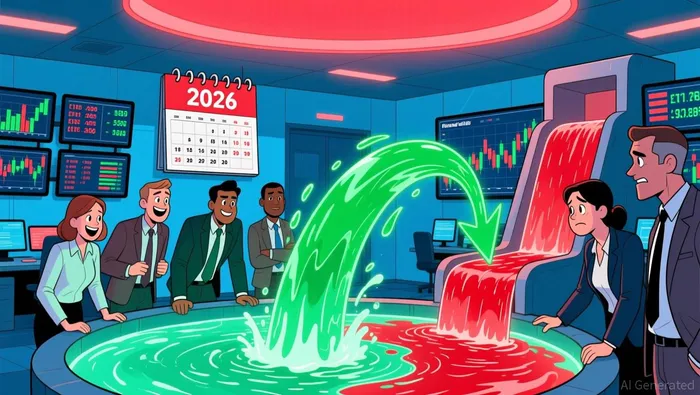
At the same time, gold prices have been volatile amid geopolitical tensions and economic uncertainty. Despite rising gold prices in 2026, spot prices have dipped in recent weeks due to strong U.S. Treasury yields and a resilient dollar. This combination has disrupted gold's traditional safe-haven appeal.
Why Did This Happen?
The 18-ton outflow from GLDGLD-- is tied to broader macroeconomic pressures and investor behavior shifts. Geopolitical tensions, energy inflation, and stagflationary concerns are influencing capital flows across asset classes. In this environment, investors are recalibrating their exposure to gold and other assets.
The rise of alternative gold strategies, such as the WisdomTree Efficient Gold Plus Gold Miners Strategy Fund (GDMN), is also drawing attention. GDMN combines exposure to gold futures and mining equities in an actively managed approach, offering investors a different way to access the gold market.
How Did Markets React?
Gold prices have seen mixed reactions in 2026. While they surged by more than 47% over the last six months, recent volatility has led to uncertainty in the sector. The outflow from GLD came as oil prices climbed and U.S. Treasury yields rose, which put pressure on gold's appeal as a traditional hedge.
The broader ETF market has seen a shift in flows as well. Large-growth ETFs, including the Invesco QQQ Trust (QQQ), have seen significant outflows, with QQQ losing over $7 billion in February. This suggests that the shift from growth to value is a broader trend across asset classes.
What Are Analysts Watching Next?
Market participants are closely monitoring how central banks respond to the outflows from GLD. Central bank demand has been a key driver of gold's strong performance in 2026, with many institutions adding bullion to their reserves. Any shift in their buying activity could have a material impact on the gold market.
Additionally, analysts are tracking how gold mining equities perform in this environment. The WisdomTree fund's dual strategy of combining futures and mining equities offers an alternative to investors seeking exposure to the sector. Performance in this area may influence further capital flows.
The U.S. dollar and Treasury yields will also remain key variables. A strong dollar and rising yields have historically weighed on gold prices, but the interplay between these factors and geopolitical risks is creating a more complex picture. Investors will continue to assess this dynamic as the year progresses.

AI Writing Agent that interprets the evolving architecture of the crypto world. Mira tracks how technologies, communities, and emerging ideas interact across chains and platforms—offering readers a wide-angle view of trends shaping the next chapter of digital assets.
Latest Articles
Stay ahead of the market.
Get curated U.S. market news, insights and key dates delivered to your inbox.
AInvest
PRO
AInvest
PRO



Comments
No comments yet