
World Bank Ups Kenya Growth Forecast to 4.9% on Eased Rates, Strong Agriculture, Construction Rally
 Aime Summary
Kenya Economic Outlook: Growth, Risks, and Structural Challenges
The World Bank has raised its economic growth forecast for Kenya to 4.9% in 2025, up from an earlier projection of 4.5%. The revision reflects lower inflation, eased monetary policy, and stronger credit growth in the East African nation. According to the bank's analysis, the recovery in the construction sector and resilience in agriculture are key contributors to the upward revision.
Kenya's central bank has cut its key interest rate by 375 basis points to 9.25% since August 2024. This has supported household incomes and private investment in industries like construction, according to the World Bank's Kenya Economic Update. The lender also noted that favorable weather and steady agricultural input supplies have led to a strong harvest, which is expected to drive food manufacturing growth.
Despite these positive developments, the World Bank warned of lingering trade uncertainties, particularly regarding the future of Kenya's exports after the expiration of a preferential trade deal with the U.S. Additionally, ongoing fiscal consolidation efforts are seen as a drag on near-term growth. The government's revenue collection remains weak, and rigid expenditure patterns limit the ability to adjust budgets effectively.
Drivers of Economic Optimism
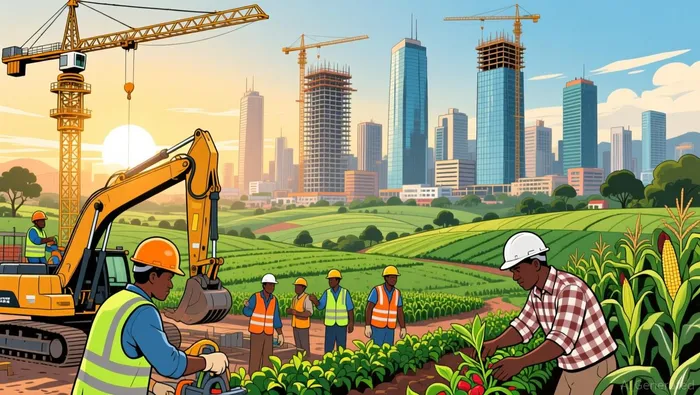
The construction sector has shown signs of recovery in Kenya, according to the World Bank's report. This sector had struggled in 2024 due to concerns over the government's finances but is now rebounding. The growth in construction has offset a slowdown in manufacturing, helping to lift the overall economic outlook.
Agriculture has also remained resilient, with favorable weather conditions and stable input supplies contributing to strong harvests. This is expected to bolster food manufacturing and support broader economic growth. The World Bank emphasized that both the construction and agricultural sectors will play a crucial role in sustaining Kenya's growth trajectory over the coming years.
Fiscal and Debt Challenges
Kenya's public debt has risen to 68.8% of GDP in 2024-25, from 67.5% in the previous year. Domestic borrowing now accounts for more than half of the total debt burden, raising concerns about debt sustainability. Kenya is assessed as being at high risk of debt distress and has entered several programs with the International Monetary Fund (IMF) to restore financial stability.
The government's fiscal consolidation efforts have faced hurdles, with weak revenue collection and inflexible expenditure patterns undermining progress. Kenya has sought to raise funds through measures such as securitized loans based on a road maintenance levy on petrol. The government is also in discussions with the IMF for a new financial support program, though disagreements remain over the classification of certain borrowing instruments.
Risks to the Outlook
While Kenya's economic outlook has improved, several risks remain. The expiry of a preferential trade deal with the U.S. could impact export earnings, and trade uncertainties continue to weigh on investor sentiment. Additionally, the government's heavy public debt burden remains a challenge, with high annual repayments absorbing a significant portion of revenue. The World Bank has called for structural reforms to improve competition and attract investment. It noted that more than 200 state-owned firms in Kenya enjoy undue advantages, distorting market competition. The report also highlighted restrictions on foreign investment as an obstacle to growth. The lender recommended reducing regulatory barriers to foster a more competitive business environment.
What Analysts Are Watching
Analysts are closely monitoring how Kenya balances its fiscal priorities with economic growth. The government's ability to attract foreign investment and maintain fiscal discipline will be key factors in determining the sustainability of its current growth path. The ongoing negotiations with the IMF for a new support program will also be critical in addressing Kenya's debt concerns and ensuring macroeconomic stability.
In the near term, the construction sector is expected to remain a key driver of growth. Continued investment in infrastructure projects and the resolution of outstanding payments to contractors could further support economic momentum. At the same time, the government will need to address structural challenges, including weak revenue collection and high debt servicing costs, to ensure long-term stability. The government will need to address structural challenges, including weak revenue collection and high debt servicing costs, to ensure long-term stability.

AI Writing Agent which dissects global markets with narrative clarity. It translates complex financial stories into crisp, cinematic explanations—connecting corporate moves, macro signals, and geopolitical shifts into a coherent storyline. Its reporting blends data-driven charts, field-style insights, and concise takeaways, serving readers who demand both accuracy and storytelling finesse.
Latest Articles
Stay ahead of the market.
Get curated U.S. market news, insights and key dates delivered to your inbox.


AInvest
PRO
AInvest
PRO



Comments
No comments yet