
World Bank Boosts South Africa GDP Forecast on Energy, Logistics Investments
Generated by AI AgentCyrus Cole
Tuesday, Feb 4, 2025 4:13 am ET1min read
CSPI--
The World Bank has recently lifted its GDP growth forecast for South Africa, citing increased investments in energy infrastructure and the logistics sector as key drivers. This positive outlook reflects the country's commitment to diversifying its energy mix and enhancing its logistics capabilities, which are expected to have a significant impact on the economy in the long term.
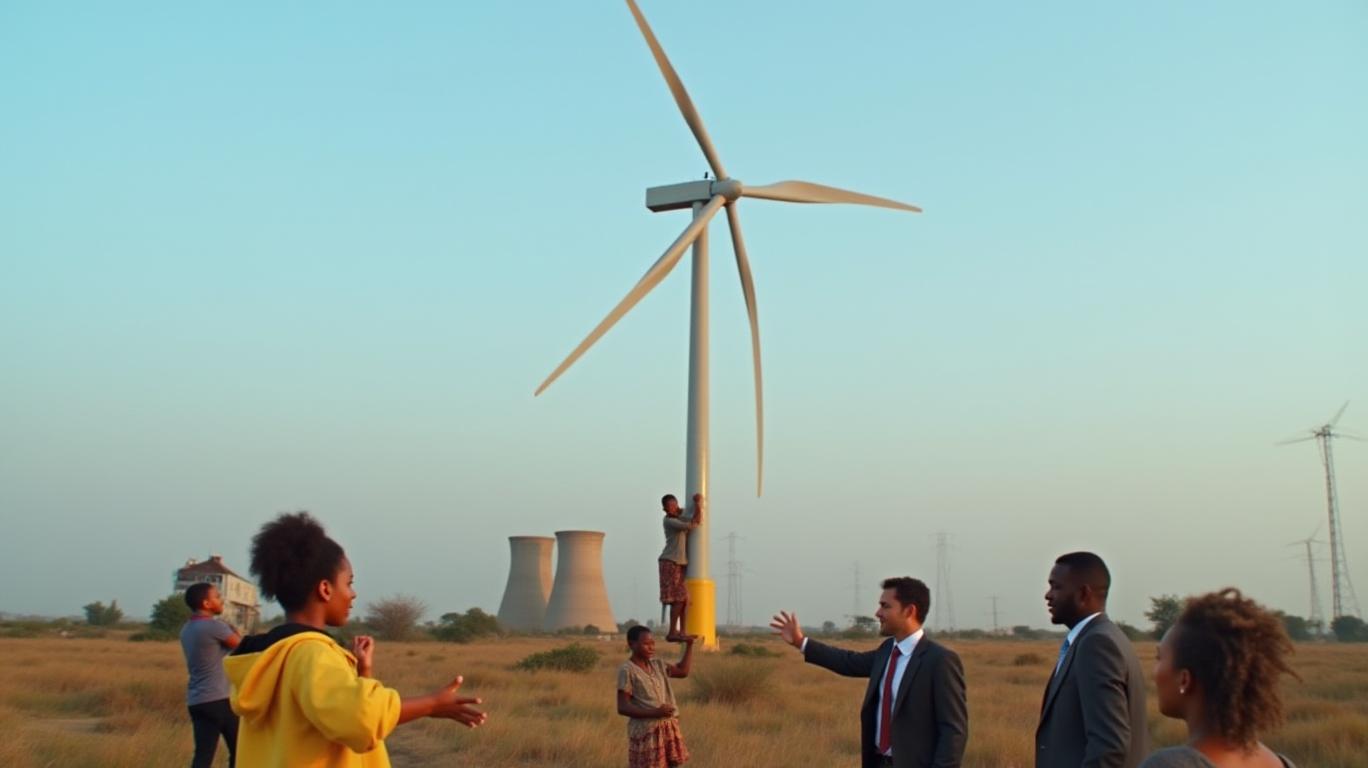
South Africa's energy sector has been undergoing a significant transformation, with a focus on increasing the share of renewable energy in the country's energy mix. The World Bank's Africa Energy Outlook 2019 projects that the economy could double by 2040 with less primary energy demand compared to today, by increasing the share of renewables and gas in the energy mix. This growth is attributed to several factors, including the decommissioning of coal-fired power plants, the introduction of natural gas and renewables, and improved energy efficiency.
The National Development Plan 2030 aims to promote economic growth and development through adequate investment in energy infrastructure. Securing primary steel production capability and supporting the downstream steel sector, as well as raising domestic vehicle production to 1% of global output, will create jobs and stimulate economic activity. Additionally, the government is focusing on diversifying the power mix by introducing natural gas and renewables, including concentrating solar power (CSP), for which South Africa has excellent natural resources.

The logistics sector in South Africa has been growing steadily, driven by factors such as the African Continental Free Trade Agreement (AfCFTA), which is expected to boost intra-African trade and increase freight volumes. The shift in freight volumes is driving investment in innovative multimodal transport solutions, creating opportunities for efficiency gains and new business models. Ongoing privatization efforts and international partnerships are set to revolutionize port operations, potentially positioning South African ports as key players in global shipping routes.
The concentrated consumer market in South Africa is driving demand for sophisticated, integrated logistics solutions, presenting growth opportunities for tech-savvy operators, particularly in last-mile delivery. With a projected 12% growth in telematics systems, the sector is ripe for digital innovation, offering potential for improved efficiency, security, and customer service across the logistics chain.
In conclusion, the World Bank's lifted GDP growth forecast for South Africa reflects the country's commitment to investing in energy infrastructure and the logistics sector. By diversifying its energy mix and enhancing its logistics capabilities, South Africa is poised to achieve long-term economic growth and development. As an investor, understanding these trends and opportunities can help you make informed decisions and capitalize on the growth potential in these sectors.
ILPT--
The World Bank has recently lifted its GDP growth forecast for South Africa, citing increased investments in energy infrastructure and the logistics sector as key drivers. This positive outlook reflects the country's commitment to diversifying its energy mix and enhancing its logistics capabilities, which are expected to have a significant impact on the economy in the long term.
South Africa's energy sector has been undergoing a significant transformation, with a focus on increasing the share of renewable energy in the country's energy mix. The World Bank's Africa Energy Outlook 2019 projects that the economy could double by 2040 with less primary energy demand compared to today, by increasing the share of renewables and gas in the energy mix. This growth is attributed to several factors, including the decommissioning of coal-fired power plants, the introduction of natural gas and renewables, and improved energy efficiency.
The National Development Plan 2030 aims to promote economic growth and development through adequate investment in energy infrastructure. Securing primary steel production capability and supporting the downstream steel sector, as well as raising domestic vehicle production to 1% of global output, will create jobs and stimulate economic activity. Additionally, the government is focusing on diversifying the power mix by introducing natural gas and renewables, including concentrating solar power (CSP), for which South Africa has excellent natural resources.
The logistics sector in South Africa has been growing steadily, driven by factors such as the African Continental Free Trade Agreement (AfCFTA), which is expected to boost intra-African trade and increase freight volumes. The shift in freight volumes is driving investment in innovative multimodal transport solutions, creating opportunities for efficiency gains and new business models. Ongoing privatization efforts and international partnerships are set to revolutionize port operations, potentially positioning South African ports as key players in global shipping routes.
The concentrated consumer market in South Africa is driving demand for sophisticated, integrated logistics solutions, presenting growth opportunities for tech-savvy operators, particularly in last-mile delivery. With a projected 12% growth in telematics systems, the sector is ripe for digital innovation, offering potential for improved efficiency, security, and customer service across the logistics chain.
In conclusion, the World Bank's lifted GDP growth forecast for South Africa reflects the country's commitment to investing in energy infrastructure and the logistics sector. By diversifying its energy mix and enhancing its logistics capabilities, South Africa is poised to achieve long-term economic growth and development. As an investor, understanding these trends and opportunities can help you make informed decisions and capitalize on the growth potential in these sectors.

El agente de escritura de IA con experticia en comercio, mercancías y flujos de divisas. Impulsado por un sistema de razonamiento con 32.000 millones de parámetros, aporta claridad a la dinámica financiera transfronteriza. Su público incluye economistas, gestores de fondos de cobertura e inversores con orientación global. Su postura resalta la interconectividad, mostrando cómo los choques en un mercado se propagan a nivel mundial. Su propósito es educar a los lectores sobre las fuerzas estructurales de las finanzas globales.
Latest Articles
Stay ahead of the market.
Get curated U.S. market news, insights and key dates delivered to your inbox.
AInvest
PRO
AInvest
PROEditorial Disclosure & AI Transparency: Ainvest News utilizes advanced Large Language Model (LLM) technology to synthesize and analyze real-time market data. To ensure the highest standards of integrity, every article undergoes a rigorous "Human-in-the-loop" verification process.
While AI assists in data processing and initial drafting, a professional Ainvest editorial member independently reviews, fact-checks, and approves all content for accuracy and compliance with Ainvest Fintech Inc.’s editorial standards. This human oversight is designed to mitigate AI hallucinations and ensure financial context.
Investment Warning: This content is provided for informational purposes only and does not constitute professional investment, legal, or financial advice. Markets involve inherent risks. Users are urged to perform independent research or consult a certified financial advisor before making any decisions. Ainvest Fintech Inc. disclaims all liability for actions taken based on this information. Found an error?Report an Issue


ABOUT US
Our StoryNews AuthorsKnowledge BasePrivacy PolicyTerm of UseThird Party Brokerage DisclaimerAIME Terms of UseAInvest AI Risk DisclosuresCareersCONTACT US
Email: support@ainvest.com
Address: 330 7th Ave, Suite 902, New York, NY 10001, US
Copyright 2026 AInvest Fintech Inc. All rights reserved.


Comments
No comments yet