
WMur Weather & Economic Risk: What Recent Developments Mean for Investors


 Aime Summary
In a year defined by global uncertainty, economic risk has taken center stage — and weather-related events aren't just a factor in daily life. They now shape trade, policy, and investor sentiment. Recent news involving WMur Weather highlights how economic vulnerabilities can be exacerbated by both natural and political forces, making it crucial for investors to understand the interplay between weather-related disruptions and broader market dynamics.
Weather, Trade, and Policy: The Ties That Bind
Weather patterns have long influenced agricultural production, transportation, and even geopolitical tensions. But in 2025, these effects have become more pronounced. The Trump administration has repeatedly responded to trade tensions with economic relief programs for American farmers — most notably the $12 billion aid package designed to cushion the blow of a turbulent year in global trade. This reflects a growing awareness of how external factors like weather and international policy can intersect and create ripple effects across the economy.
Meanwhile, government agencies like FEMA are also under scrutiny. A federal judge recently ordered the agency to restore billions in disaster-preparation grants aimed at strengthening infrastructure before calamities strike. The ruling underscores a shift toward proactive risk management — something investors should keep in mind as climate change and extreme weather events become more frequent.
Emerging Risks and Market Reactions
Investors are not only reacting to policy moves but also to enforcement actions that signal a changing regulatory landscape. One recent development involves Elon Musk's platform X, which was fined $140 million by the EU under the Digital Services Act. 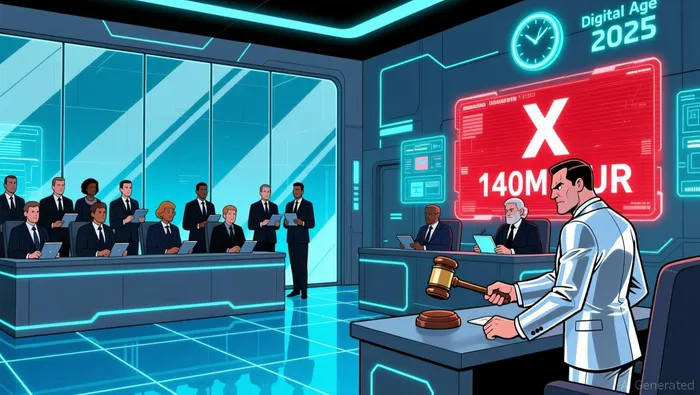 The fine marks the first major enforcement action under the law and highlights growing global scrutiny of tech platforms and their role in amplifying misinformation and scams.
For investors, the message is clear: economic risk is no longer confined to traditional indicators like inflation or interest rates. It now includes regulatory risks, cybersecurity threats, and the long-term costs of climate-related events. These factors can influence everything from trade policy to stock valuations and bond yields.
What This Means for Retail Investors
For the average investor, these developments mean that diversification and risk management are more important than ever. The farm aid package and FEMA's ongoing legal challenges show that government intervention can provide short-term relief but may not address the root causes of economic instability. That said, they also create opportunities for investors who follow public policy and understand how regulatory decisions affect sectors like agriculture, infrastructure, and technology.
The EU's fine on X is another reminder of the importance of staying informed about regulatory shifts — especially in tech and media. Investors should be cautious about overexposure to platforms that may face increasing scrutiny. At the same time, companies that specialize in cybersecurity, content moderation, and infrastructure resilience may see growing demand as regulatory enforcement becomes more aggressive.
Looking Ahead
As we approach the end of 2025, the intersection of weather, trade, and policy shows no signs of slowing down. While government aid programs can offer short-term stability, they are not a long-term solution to deeper economic and environmental challenges. Investors who stay ahead of these trends will be better positioned to navigate both the risks and opportunities ahead.
In the coming months, keep an eye on how policy decisions evolve — particularly in agriculture, disaster preparedness, and digital regulation. These areas will likely continue to shape market sentiment and influence asset performance.

Delivering real-time insights and analysis on emerging financial trends and market movements.
Latest Articles
Stay ahead of the market.
Get curated U.S. market news, insights and key dates delivered to your inbox.






Comments
No comments yet