
WMUR Weather: What Recent Data Means for Investors


 Aime Summary
As the 2025 fiscal year nears its end, investors are increasingly focused on one of the most unpredictable yet powerful forces in the markets: weather. From energy demand to agricultural output, shifting weather patterns are reshaping supply chains and commodity prices. With the final quarter bringing heightened volatility, understanding these trends is more than just a curiosity—it’s a strategic necessity.
Weather isn’t just a factor in your daily commute. It’s shaping entire industries. Take energy, for example. When temperatures dip below average, heating demand surges, driving up natural gas and electricity prices. Conversely, unseasonably warm conditions can slow usage and cause energy stocks to lag. For investors, this means closely tracking weather forecasts and climate models isn’t just useful—it’s essential. According to data, this insight is critical.
How Extreme Weather Affects Key Sectors
Extreme weather events are growing more frequent—and more financially impactful. Droughts, floods, and unseasonable temperatures all have ripple effects across the economy. In agriculture, for instance, a late frost or unexpected heatwave can slash crop yields, sending ripple waves through global food prices. The same applies to livestock farming, where temperature extremes can stress animals and increase mortality rates. Research shows these events are becoming more severe.
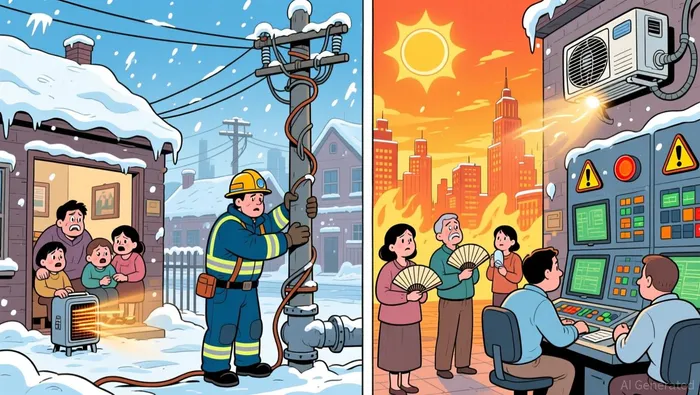
Energy markets are particularly sensitive. A cold snap in early December means higher demand for heating oil and natural gas, which can trigger price spikes. Meanwhile, prolonged heat can strain power grids and increase the need for air conditioning, driving up electricity costs. These fluctuations create both risk and opportunity. Investors who can anticipate these shifts—using advanced weather analytics—can position themselves ahead of market reactions.
Tools and Strategies for Managing Climate Risk
Investors are now turning to advanced tools to mitigate the uncertainty. Weather derivatives, for instance, allow companies to hedge against unseasonable conditions by locking in prices or payouts when certain weather thresholds are breached. These financial instruments are particularly popular in the energy and agriculture sectors. As industry reports indicate, this strategy is gaining traction.
Beyond derivatives, more investors are integrating climate data into their risk models. Platforms that use AI to predict weather patterns are becoming standard tools in portfolio management. By identifying regions at risk of extreme weather early, investors can adjust their holdings before prices are affected. This proactive approach is reshaping how risk is managed in a warming world. Market data shows that early action yields significant returns.
Looking Ahead: Preparing for a Volatile Year-End
With the year closing out, the importance of weather-driven investment decisions is only increasing. The final months of the year are often marked by heightened volatility, and extreme weather can amplify this effect. In energy, for example, the push and pull of demand during winter months can create sharp price swings. Meanwhile, the agriculture sector is preparing for a potential winter that could either boost or hurt harvests depending on snowpack and rainfall. According to forecasts, this season could be pivotal.
Investors who want to stay ahead of these trends are advised to track real-time weather data and industry-specific reports. The bottom line is this: Weather is no longer just a background factor—it’s a central player in how markets behave. Staying informed, and using the right tools, is the key to navigating what could be a wild finish to the year. The data confirms that market behavior is increasingly tied to climate patterns.

Delivering real-time insights and analysis on emerging financial trends and market movements.
Latest Articles
Stay ahead of the market.
Get curated U.S. market news, insights and key dates delivered to your inbox.






Comments
No comments yet