
WMUR Weather: What Recent Data Means for Investors


 Aime Summary
As the final stretch of the 2025 fiscal year unfolds, weather patterns are becoming a subtle but significant factor for investors to watch. Whether it's extreme cold impacting energy demand or unseasonable warmth altering agricultural cycles, the implications of weather data are growing more tangible in the context of financial markets. Understanding these dynamics can help investors better navigate risk and spot emerging opportunities in the final months of the year.
## Understanding the Role of Weather in Business and Investing
Weather data isn’t just for meteorologists — it has a real-world impact on supply chains, commodity prices, and company earnings. For example, prolonged cold snaps can push up natural gas prices, while heatwaves may strain electricity grids and drive energy consumption. In agriculture, a dry summer can lead to lower crop yields, which in turn affects food prices and input costs for a range of industries.
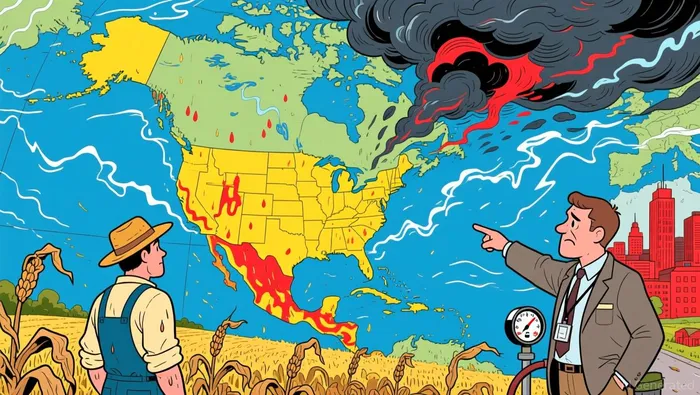 For investors, this means that weather-related data can serve as an early indicator of sector-specific pressures or tailwinds. It's not always a direct driver of stock prices, but it can amplify trends in energy, utilities, retail, and even insurance markets. At the end of the day, businesses that are sensitive to weather patterns need to adapt — and investors need to be watching.
## Key Drivers and Market Impacts of Weather Trends
The impact of weather isn’t just anecdotal; it’s supported by years of market behavior and economic data. Take the energy sector: when unseasonable cold hits, natural gas prices tend to climb as demand for heating surges. This can create short-term opportunities for energy producers and utilities but can also be a risk for consumers and retailers.
Similarly, the insurance industry faces significant exposure to extreme weather events. For instance, a spike in hurricane-related claims can affect an insurer's short-term profitability and force higher premiums in the following year. Investors in the insurance sector should be mindful of the seasonal risk cycles tied to weather forecasts and historical trends.
At the same time, weather-related disruptions can create unexpected volatility. A prolonged snowstorm can delay product shipments, affecting retailers and manufacturers. The key for investors is to differentiate between one-off weather events and long-term climate trends. Either way, weather is a growing factor in risk management strategies for many companies.
## Weather Data and Investor Opportunities
Fortunately, there are tools to help investors better incorporate weather insights into their strategies. Satellite data, real-time tracking, and predictive analytics are now commonly used to assess weather impacts on business performance. Companies in the weather analytics space are seeing increasing demand for their services, and some of these firms are now listed on public markets.
Moreover, investors can also consider weather-indexed financial products and derivatives, which allow for hedging against weather-related risks. These can be especially useful for sectors like agriculture, construction, and energy, where weather volatility has a more direct impact.
For now, the market is still learning how to fully price in weather-related risks and opportunities. That said, early adopters who understand the data and use it strategically may find themselves in a better position to manage risk and capitalize on unexpected market shifts.
## What's Ahead for Weather-Related Markets
As we move through December and into early 2026, the focus on weather-related market factors is likely to intensify. The coming months will offer a real-world test of how businesses and investors respond to the growing unpredictability of seasonal patterns. Companies that can adapt — whether through better logistics, weather hedging strategies, or more resilient product lines — may see stronger performance.
For investors, this means staying attuned to how weather data is integrated into earnings reports, supply chain announcements, and risk disclosures. While the broader market is often more concerned with macroeconomic indicators, niche sectors are increasingly looking to weather as a key input in their planning. In this evolving landscape, being informed about weather-related trends can be a subtle but powerful edge in identifying risk and reward.

Delivering real-time insights and analysis on emerging financial trends and market movements.
Latest Articles
Stay ahead of the market.
Get curated U.S. market news, insights and key dates delivered to your inbox.






Comments
No comments yet