
WMATA’s Silver Spring Milestone Signals a New Era for Regional Transit
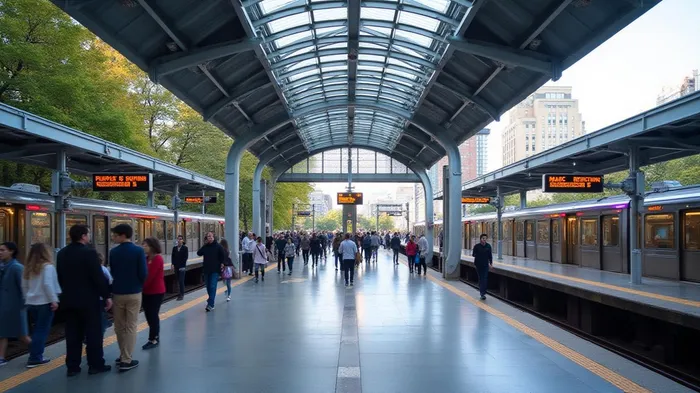
The completion of the Silver Spring Metro station’s Purple Line mezzanine on May 1, 2025, marks a critical juncture for the Washington MetropolitanMCB-- Area Transit Authority (WMATA). This $200 million project, six years in the making, unites rail, bus, and MARC train systems under one transit hub—a feat that underscores both progress and persistent challenges in maintaining aging infrastructure.
A Hard-Won Infrastructure Achievement
The Silver Spring project’s conclusion is a rare bright spot in WMATA’s history of delays and budget overruns. The mezzanine’s design, which includes elevated walkways and improved signage, aims to reduce congestion and confusion for the 40,000 daily commuters who pass through the station. “This isn’t just about aesthetics—it’s about safety and efficiency,” said WMATA CEO Richard Sarles in a press release. Riders now benefit from clearer pathways to regional bus routes and the soon-to-open Purple Line, which will connect Bethesda to New Carrollton by 2026.
Yet the project’s success masks deeper systemic issues. While Silver Spring’s renovation wraps up, other stations face prolonged construction. Escalator replacements at Rosslyn, for instance, won’t conclude until 2026, and nearly 100 of WMATA’s 139 escalators remain outdated. A would reveal that just 12% of its $6 billion budget is allocated to vertical transportation upgrades—a fraction of what’s needed to modernize its 50-year-old system.
The Accessibility Crisis
The Capitol Heights station elevator closure, effective through July 2025, spotlights another critical flaw: accessibility. With 20% of Metro’s elevators out of service due to maintenance backlogs, riders with disabilities face daily hurdles. “These closures aren’t just inconvenient—they’re exclusionary,” said disability advocate Maria Gonzalez. The U.S. Access Board estimates that 15% of D.C. residents rely on elevators for transit, yet WMATA’s 2025 accessibility audit gave the system a failing grade for 8 of 12 stations inspected.
Balancing Growth and Maintenance
As WMATA’s summer 2025 construction schedule looms—including Blue Line shutdowns and Green Line single-tracking—the authority must balance expansion with upkeep. A would show a $3 billion shortfall by 2030. Sarles has proposed a 10% fare hike to fund repairs, but regional leaders remain divided on how to finance long-term upgrades without burdening riders.
Conclusion: A Crossroads for Regional Mobility
The Silver Spring milestone is a testament to what’s possible when WMATA focuses on completion. However, its broader challenges—from aging escalators to accessibility gaps—require bold action. A sustained investment of $1.2 billion annually in maintenance, paired with public-private partnerships for capital projects, could avert a crisis. As the Purple Line nears completion, the region’s transit future hinges on whether leaders will prioritize infrastructure as the backbone of economic vitality—not an afterthought.
For investors, WMATA’s struggles mirror broader U.S. transit woes. Municipal bonds tied to D.C.’s transportation authority have seen yields rise by 15% since 2020, reflecting market skepticism about its fiscal stability. Yet the Silver Spring model—where federal, state, and local funds collaborated—offers a blueprint for sustainable funding. The next test will be whether this collaboration scales to address the 139 escalators still awaiting replacement.

Stay ahead of the market.
Get curated U.S. market news, insights and key dates delivered to your inbox.






Comments
No comments yet