
Wisconsin Wind Outages: A Wake-Up Call for Grid Resilience and Renewable Investment Risks
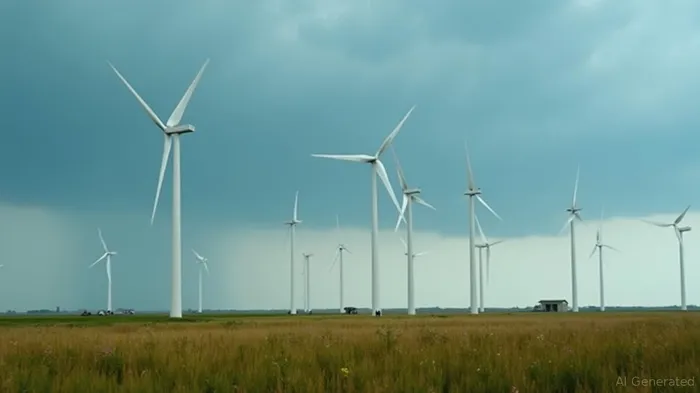
Recent power outages in Wisconsin, exacerbated by severe weather and systemic grid challenges, underscore critical risks for investors in renewable energy infrastructure. While wind energy is a cornerstone of the state's decarbonization goals, its intermittency and exposure to weather extremes have exposed vulnerabilities in transitioning grids. This article analyzes how these outages reveal broader risks for renewable investments, examines regulatory responses, and offers actionable insights for portfolio diversification and grid resilience-focused opportunities.
The Outages: A Microcosm of Grid Challenges
In June 2025, a heatwave coupled with high winds caused over 15,000 power outages in Milwaukee County alone, primarily due to tree limbs and fallen trees damaging utility infrastructure. While wind energy itself wasn't directly blamed for the outages, the incident highlighted two systemic issues:
- Intermittency and Weather Dependency: Wind energy output can drop sharply during extreme weather events, such as the June heatwave. A 2023 NERC report warned that Wisconsin's grid faces energy shortfalls during peak demand if wind generation falters—a risk amplified by the retirement of coal plants.
- Aging Infrastructure: We Energies reported that much of its equipment was outdated, exacerbating the outage severity. This underscores the need for grid modernization to handle both renewable variability and extreme weather.
WEC Energy's stock has risen steadily amid its grid modernization investments, signaling investor confidence in utilities that prioritize resilience.
Regulatory Crossroads: Senate Bill 3 and Local Control Battles
Wisconsin's Senate Bill 3, introduced in early 2025, requires wind and solar projects over 15 MW to secure approvals from all municipalities in their footprint. While proponents argue this empowers local communities, critics warn it could delay or block projects, stifling renewable growth.
Investment Implications:
- Risk to Renewable Developers: Delays or cancellations of projects could hurt companies reliant on Wisconsin's renewable targets (e.g., carbon-free grid by 2050).
- Utility Winners/Losers: Utilities like WEC EnergyWEC--, which balance renewables with coal backups, may gain stability if projects stall. Conversely, pure-play renewables firms could face headwinds.
Utilities' Playbook: Coal as Backup, Tech as Insurance
Wisconsin utilities are adopting a dual strategy:
1. Phasing Out Coal Gradually: WEC Energy delayed coal plant retirements to ensure capacity during wind lulls.
2. Investing in Grid Modernization: Plans to spend $3.6 billion by 2027 include burying power lines and adopting long-duration energy storage (e.g., hydrogen blending).
Renewable funds have outperformed utilities indices in growth, but recent volatility highlights the need for diversification.
Investment Strategy: Diversify and Prioritize Resilience
- Avoid Overexposure to Regulatory Risk: Regions with stringent local veto powers (e.g., Wisconsin under SB 3) may see slower renewable deployment. Investors should favor markets with clearer regulatory frameworks.
- Back Grid Modernization Plays: Utilities like WEC Energy, investing in storage and smart grids, offer defensive positions.
- Hedge with Energy Storage and Hydrogen: Companies advancing long-duration storage (e.g., Tesla's Megapacks) or hydrogen blending (e.g., Plug Power) mitigate wind's intermittency risks.
Conclusion: Resilience is the New Renewable
Wisconsin's outages are not a failure of renewables—they are a reminder that decarbonization requires more than wind and solar. Investors must demand diversified portfolios that blend renewables with grid upgrades, storage tech, and utilities managing transition risks. As extreme weather and regulatory battles intensify, resilience, not just carbon neutrality, will define winners in energy markets.
Final Note: Monitor utilities' grid modernization budgets and energy storage partnerships. Regions or companies prioritizing these will outperform in the next decade.
Harriet Clarfelt's analysis emphasizes actionable insights over theory. For further exploration, track WEC Energy's grid investments and renewable project approval timelines in Wisconsin.

Stay ahead of the market.
Get curated U.S. market news, insights and key dates delivered to your inbox.
AInvest
PRO
AInvest
PRO



Comments
No comments yet