
Winter Weather Disruptions and Their Impact on Airline Stocks: Assessing Short-Term Volatility and Long-Term Resilience in the Post-Pandemic Aviation Sector


 Aime Summary
Short-Term Operational and Financial Impacts
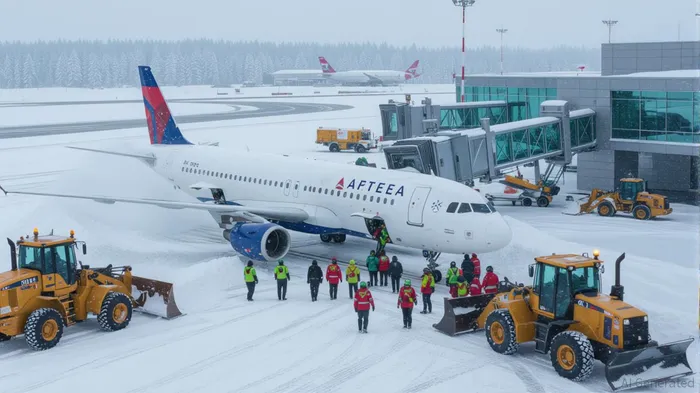
The Des Moines incident exemplifies the cascading effects of weather-related disruptions. The closure of the airport, coupled with icy conditions limiting runway operations, exacerbated existing travel chaos caused by the winter storm. , and Delta faced delays and rebooking costs, though no injuries were reported. While direct financial costs from the incident remain undisclosed, airlines typically incur expenses for passenger accommodations, aircraft removal, and reputational management. For Delta, these costs were compounded by broader industry challenges, including staffing shortages at the (FAA) and a record-long U.S. government shutdown, which had already strained operations in November 2025.
Stock Price Volatility: A Mixed Signal
Despite the operational disruption, Delta's stock price exhibited minimal short-term volatility. The incident occurred on a non-trading day (Saturday, November 29), and the first trading day post-event (December 1) . This stability suggests investor confidence in Delta's crisis management and broader financial health. Analysts noted that Delta's robust premium travel demand, high-margin loyalty programs, and disciplined cost controls offset concerns over isolated incidents. However, the broader airline sector faced headwinds in November 2025, with rising fuel costs and geopolitical uncertainties tempering optimism.
Long-Term Resilience: Delta's Post-Pandemic Strategy
Delta's ability to weather disruptions like the Des Moines incident stems from its strategic focus on resilience. In 2025, , including business-class cabins and the SkyMiles loyalty program-a stable revenue stream that mitigates volatility in ticket sales according to industry analysis. Operationally, , outpacing industry averages. Financially, secured an investment-grade credit rating upgrade from Fitch. These measures positioned Delta to forecast record profitability in 2025, even amid external shocks.
Broader Industry Implications
The Des Moines incident highlights systemic vulnerabilities in the aviation sector. While Delta's resilience is commendable, the industry-wide ripple effects of winter weather-such as the 1,000+ flight cancellations in November 2025-underscore the need for improved infrastructure and contingency planning according to flight data. Analysts like Ana Garcia of CFRA Research emphasize that airlines must avoid operational missteps to meet fourth-quarter expectations, particularly during peak travel periods. For investors, this means evaluating not only a carrier's financial health but also its preparedness for climate-related disruptions and regulatory challenges.
Conclusion: Balancing Risks and Rewards
The winter of 2025 serves as a microcosm of the aviation sector's dual challenges: managing immediate operational risks while building long-term resilience. Delta's experience demonstrates that airlines with diversified revenue streams, technological agility, and prudent financial management can navigate disruptions without significant stock price declines. However, investors must remain vigilant about sector-wide risks, including fuel costs, labor dynamics, and climate change. As the industry evolves, the ability to adapt to both seasonal and systemic shocks will define the winners in the post-pandemic era.

Delivering real-time insights and analysis on emerging financial trends and market movements.
Latest Articles
Stay ahead of the market.
Get curated U.S. market news, insights and key dates delivered to your inbox.
AInvest
PRO
AInvest
PRO



Comments
No comments yet