
Winter Storms Hit Retail and Job Market: What Investors Should Know
 Aime Summary
Winter storms in early 2026 have caused major disruptions in retail and logistics across central Ohio and North Carolina. Grocers in the Triad region faced inventory shortages and delays due to back-to-back snow events. The U.S. job market experienced a notable rise in weekly jobless claims, partly attributed to weather-related closures.
Winter storms have long been a disruptor in the U.S., but the scale of impacts in early 2026 has surprised many. From empty grocery store shelves to delayed supply chain operations, the ripple effects are reaching far beyond just road closures and flight cancellations. For investors, understanding how these storms impact small businesses and the broader labor market is essential.
Why Is the Retail Sector Feeling the Brunt of Winter Storms?
and subsequent back-to-back snow events in central Ohio and the Triad area have exposed vulnerabilities in local retail supply chains. Grocery stores faced inventory shortages for essential goods as restocking efforts were hampered by dangerous road conditions. In central Ohio, commerce essentially ground to a halt, with businesses struggling to maintain operations. In the Triad, Food Lion and reported challenges in keeping shelves stocked during the winter weather, though restocking is now underway.
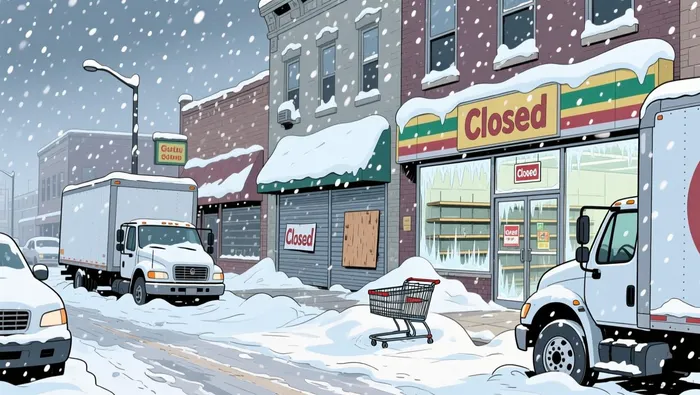
For small businesses, the impact has been even more pronounced. A recent report highlighted a significant drop in foot traffic and discretionary spending during January, with restaurants and retail sectors bearing the brunt. This is particularly concerning because January is a seasonally soft month for many small businesses, and weather-related disruptions can lead to extended financial strain.
What Do Rising Jobless Claims Reveal About the Storm's Economic Impact?
Beyond retail, the labor market has also shown signs of strain. In the week of February 1, 2026, U.S. jobless claims rose by 22,000 to 231,000, exceeding expectations. This increase coincided with a record number of people staying home due to severe weather, particularly in central Ohio and the Southeast. While the rise in claims can also reflect broader economic uncertainty, analysts suggest that weather-related closures played a significant role.
This trend has sparked discussions about how weather events affect the broader economy. The drop in job openings to a five-year low, combined with stagnant hiring rates, suggests that businesses are cautious about expanding their workforces during periods of uncertainty. Some experts believe that AI's increasing role in business operations may also be influencing hiring decisions, particularly in administrative and service sectors.
How Can Investors Gauge the Long-Term Impact of Winter Storms?
For investors, the key lies in identifying patterns and recovery timelines. While the immediate impact of the storms is evident in reduced foot traffic and higher jobless claims, the long-term implications will depend on how quickly businesses and employees return to normal operations. Grocers and other essential businesses have already begun restocking and normalizing operations, though the full recovery may take weeks.
In the broader market, the Federal Reserve is closely monitoring labor market data. If the current trends continue, it could reinforce the central bank's decision to maintain interest rates at their current level. Retail investors should also watch for signs of consumer spending rebounds in the coming weeks and assess how businesses adapt to the new weather-related challenges.
As we move into the first half of 2026, the winter storm season has shown that even in a digital economy, physical disruptions can have far-reaching consequences. Investors who understand these ripple effects—and how businesses are responding—will be better positioned to navigate potential volatility.

Stay ahead of the market.
Get curated U.S. market news, insights and key dates delivered to your inbox.
AInvest
PRO
AInvest
PRO



Comments
No comments yet