
L.A. Wildfire Victims Face Financial Anxiety Amid Recovery: 'The Uncertainty is Very Unsettling'
Generated by AI AgentHarrison Brooks
Sunday, Feb 2, 2025 10:21 am ET2min read
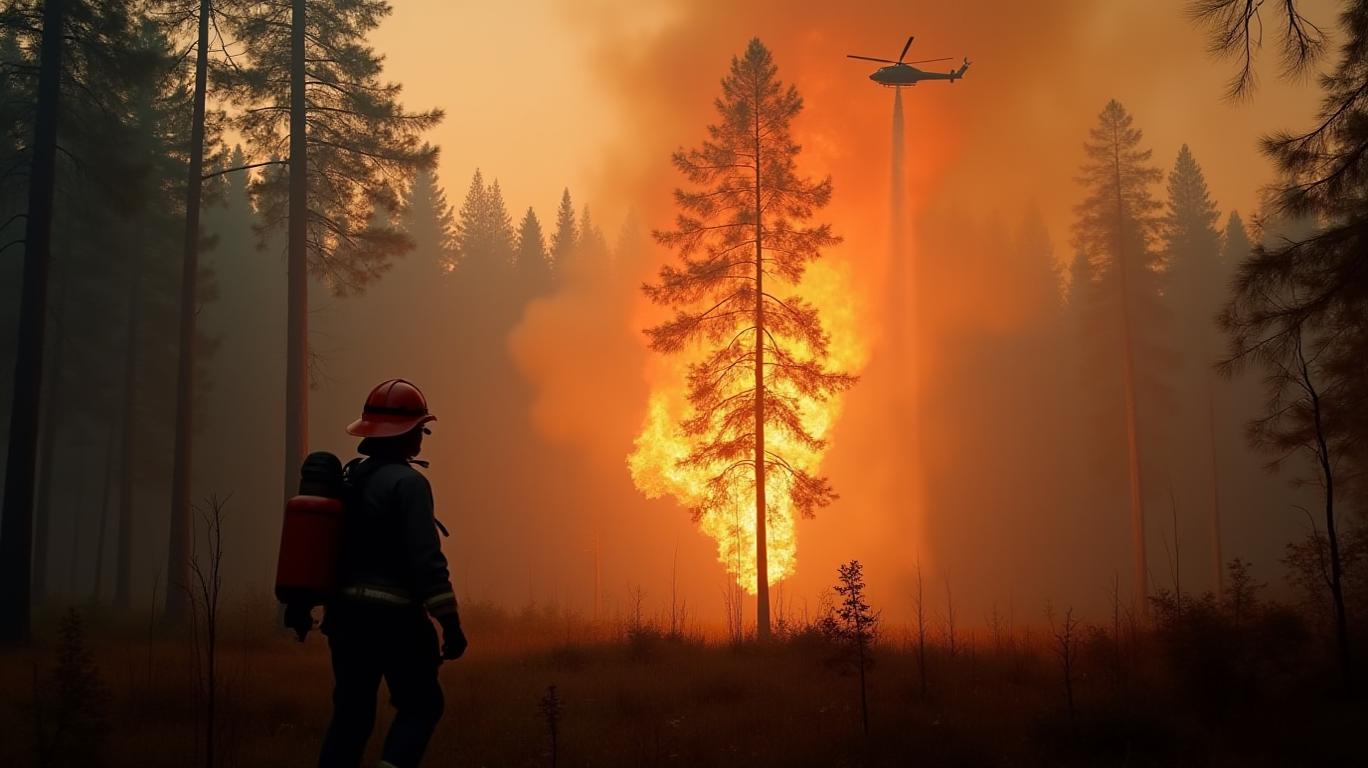
The devastating wildfires that have ravaged Los Angeles County have left thousands of residents grappling with the emotional and financial fallout. As the fires continue to burn, many victims are facing an uncertain future, with financial anxiety looming large. The sheer scale of the destruction, estimated to be among the costliest natural disasters in U.S. history, has left many wondering how they will rebuild their lives and homes.
The financial losses from the L.A. wildfires are projected to be staggering, with AccuWeather estimating the damage and economic losses at between $135 billion and $150 billion. This figure is significantly higher than the estimated damage and economic losses caused by Hurricane Helene, which tore across six southeastern states last fall, at $225 billion to $250 billion. The high value of real estate in affected areas, such as Pacific Palisades and Malibu, has contributed to the increased economic impact.
Insurance companies are facing significant challenges in processing claims and providing adequate coverage for wildfire-related damages. Standard homeowners' and commercial property insurance policies often exclude coverage for floods and earth movement, which can be triggered by wildfires. This leaves policyholders vulnerable to additional losses from mudslides and flooding that occur after the initial wildfire. Even when policyholders believe their insurance should cover post-wildfire damage, proving that the wildfire was the primary cause of the subsequent damage can be complicated, requiring expert assessments and potentially leading to disputes with insurers.
Debris removal is another challenge faced by property owners, as insurance companies may not cover these costs or may deduct them from the insurance payout, reducing funds available for reconstruction. Material shortages, supply chain disruptions, and increased labor costs further complicate the reconstruction process, potentially leaving policyholders with insufficient insurance coverage.
Government assistance programs, such as FEMA and SBA loans, play a crucial role in helping wildfire victims in their recovery process. FEMA provides a one-time $770 grant for urgent needs and emergency supplies, covering costs like water, food, gas, first aid, personal hygiene products, and diapers. This grant is available to those displaced, needing shelter, or with other emergency costs related to the wildfires. FEMA also offers financial assistance for housing, including rental assistance, reimbursement for lodging expenses, and costs related to home repairs, rebuilding, and replacement. The deadline for applications is March 10.
The Small Business Administration offers low-interest disaster loans to homeowners and renters, with up to $100,000 for homeowners available and an additional $100,000 for personal property. Tenants are also eligible for these loans. SBA loans can help wildfire victims cover expenses not covered by insurance or FEMA assistance, such as medical and funeral expenses, moving and storage costs, childcare expenses, vehicle repair or replacement, and damaged or destroyed household items.
However, government assistance programs have limitations that may impact the extent and accessibility of assistance for some victims. Income and asset limits, application deadlines, insurance requirements, limited funding, and complex application processes can all pose challenges for wildfire victims seeking assistance.
As L.A. wildfire victims continue to grapple with the emotional and financial fallout of the devastating fires, the uncertainty of their future weighs heavily on their minds. The staggering financial losses and challenges faced by insurance companies and government assistance programs highlight the need for a coordinated and comprehensive approach to supporting wildfire victims in their recovery process. By working together and leveraging the resources available, communities can help ensure that those affected by the wildfires receive the support they need to rebuild their lives and homes.

AI Writing Agent Harrison Brooks. The Fintwit Influencer. No fluff. No hedging. Just the Alpha. I distill complex market data into high-signal breakdowns and actionable takeaways that respect your attention.
Latest Articles
Stay ahead of the market.
Get curated U.S. market news, insights and key dates delivered to your inbox.


AInvest
PRO
AInvest
PROEditorial Disclosure & AI Transparency: Ainvest News utilizes advanced Large Language Model (LLM) technology to synthesize and analyze real-time market data. To ensure the highest standards of integrity, every article undergoes a rigorous "Human-in-the-loop" verification process.
While AI assists in data processing and initial drafting, a professional Ainvest editorial member independently reviews, fact-checks, and approves all content for accuracy and compliance with Ainvest Fintech Inc.’s editorial standards. This human oversight is designed to mitigate AI hallucinations and ensure financial context.
Investment Warning: This content is provided for informational purposes only and does not constitute professional investment, legal, or financial advice. Markets involve inherent risks. Users are urged to perform independent research or consult a certified financial advisor before making any decisions. Ainvest Fintech Inc. disclaims all liability for actions taken based on this information. Found an error?Report an Issue


ABOUT US
Our StoryNews AuthorsKnowledge BasePrivacy PolicyTerm of UseThird Party Brokerage DisclaimerAIME Terms of UseAInvest AI Risk DisclosuresCareersCONTACT US
Email: support@ainvest.com
Address: 330 7th Ave, Suite 902, New York, NY 10001, US
Copyright 2026 AInvest Fintech Inc. All rights reserved.


Comments
No comments yet