
White House Meme Boosts Defense Stocks—But Real Alpha Is in the Quadrupled Production Order


 Aime Summary
The White House just dropped a 42-second meme video with 58 million views, treating a real war like a video game. It's a high-stakes PR gamble that created a clear, immediate market signal: defense stocks popped. But this is a temporary liquidity event, not a sustainable alpha play.
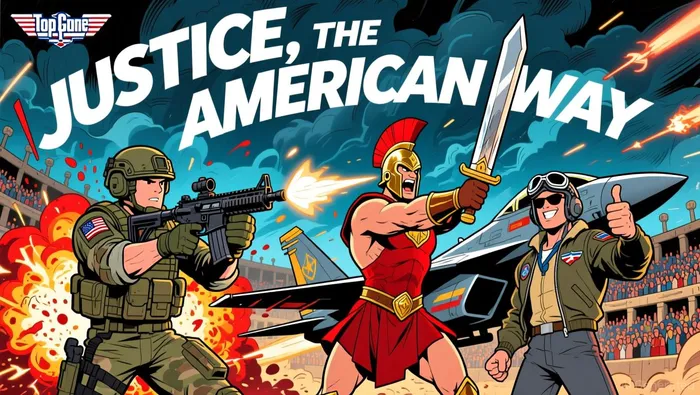
The setup was pure clickbait. On March 5, the White House released a hyper-masculine, movie-montage video on X, splicing real missile strikes with clips from Gladiator, Top Gun, and even SpongeBob. Set to a pounding beat, it promised "justice, the American way." The result? A video viewed over 58 million times. This wasn't a sober briefing; it was a viral war propaganda campaign, part of a broader strategy using memes to celebrate strikes, like a meme video that has garnered approximately 24.4 million views.
The market's reaction was instant and telling. Defense stocks jumped the first day of trading after the U.S.-Israel strikes began. Northrop Grumman closed up 6 percent; RTX, which owns Raytheon, closed up 4.7 percent; Lockheed Martin closed up 3.3 percent. The gains were broad, hitting munitions makers, high-tech specialists, and prime contractors. This spike is the clear, immediate signal of the White House's meme-driven PR gamble working on Wall Street: the narrative of a decisive, high-tech victory is boosting confidence in the defense sector.
But here's the alpha leak: this is a liquidity event, not a fundamental shift. The video's style-splicing movie scenes with military footage-treats war like entertainment, a dangerous distraction from the real human and geopolitical costs. The backlash was swift, with critics calling it "war propaganda" and actors demanding its removal. This hyper-masculine action-movie vibe masks long-term risks. As defense analyst Byron Callan noted, the war's outcome will reshape future procurement plans. If Iran is "defanged," the need for certain weapons systems could evaporate, killing the multi-year contracts investors crave. The meme worked for a pop. The war's blowback could sour the long-term outlook. Watch the stock moves, but don't confuse a viral video for a sustainable thesis.
The Market's Contrarian Take: Signal vs. Noise
The market's first reaction was pure momentum. Defense stocks like Lockheed Martin and Northrop Grumman closed up 3.3% and 6% on the first day of trading after the strikes, with both hitting 52-week highs. The narrative was clear: decisive action, high-tech precision, and a surge in demand for interceptors like THAAD. It was a textbook short-term alpha play.
But the contrarian signal arrived fast. By Tuesday, the gains had reversed as fears of a prolonged conflict sparked a broader selloff. Lockheed, Northrop, and L3Harris all fell shortly after the open. This is the market separating signal from noise. The initial spike was a liquidity event, a knee-jerk reaction to the meme video's hype. The reversal is a risk assessment: a war that drags on for weeks, as President Trump suggested, introduces massive uncertainty into multi-year contracts and procurement plans.
The real risk is political and operational. Public opinion is deeply divided, with 56% of Americans opposing the strikes. This domestic friction could pressure policymakers to seek a quicker end, potentially short-circuiting the war plans that defense contractors rely on. As analyst Byron Callan noted, if Iran is "defanged," future weapons procurement decisions will change. The market is now pricing in that boom-and-bust cycle, not sustained growth.
The bottom line: the meme created a temporary signal. The market's contrarian take is that the noise of a viral video is drowning out the long-term risk of a messy, prolonged conflict. Watch the stock moves, but the real alpha is in the volatility.
The Profitability Engine: Quadrupling Production, Not Politics
The meme video was the spark. The real alpha is in the quadrupled production orders. The White House just pulled the CEOs of the biggest U.S. defense firms into a meeting and got them to commit to "quadruple production" of what President Trump describes as "exquisite class" weaponry. This isn't political theater; it's a direct, multi-year contract pipeline being written in real time. These companies are sitting on billions of dollars of order backlogs, and this directive is a green light to ramp up manufacturing at a scale that will boost their revenue and margins for years.
The political will to fund this is clear, and it's working with the base. While the broader public is split, Republicans continue to heavily support the actions, and the administration is doubling down on a strategy that resonates with its core. The goal is a massive, long-term shift: Trump aims to increase U.S. defense spending from nearly $1 trillion to $1.5 trillion by 2027. That's a $500 billion increase in the budget, creating a guaranteed market for the weapons systems now being deployed and produced at record pace.
The beneficiaries are the contractors with the deepest backlogs and the most advanced systems. The war is already a highly profitable business, with specific weapons like the Tomahawk missile and Patriot and THAAD missile defense systems seeing intense use. The new directive to quadruple production means these systems-and the companies that make them-will be at the center of a sustained, government-backed expansion. This is the durable thesis that the initial meme-driven stock pop hinted at, but the quadrupling order makes it concrete.
The bottom line: The market is pricing in a short-term liquidity event. The real alpha is in the long-term profitability engine now being cranked up. Watch for quarterly production reports and backlog updates; that's where the signal from the White House meeting will translate into shareholder returns.
Catalysts & Watchlist: What to Monitor for the Thesis
The thesis hinges on two things: a sustained political will to fund war, and the market's patience for a prolonged conflict. Here's what to watch to see if the alpha holds or fades.
The Duration Signal: Sustained Stock Performance vs. Broader Market The market's first reaction was a liquidity pop. The real test is whether defense stocks can hold gains as the broader market stabilizes. Watch for defense stocks to stumble on Tuesday, reversing from earlier gains as fears of a prolonged conflict spook investors. If the sector's decline mirrors the broader selloff (like the Dow Jones dropping 1,043 points), it signals the war is seen as a net negative for risk appetite. But if defense stocks hold their ground or rally independently, it proves the quadrupling production directive is a stronger narrative than the geopolitical noise. The key metric is relative strength against the S&P 500.
The Political Pulse: Public Approval Polls Public opinion is the ultimate political fuel. The initial meme video worked on a base that supports the action. But as casualties mount and the conflict drags on, that support can erode. Monitor polls for any shift. The Reuters/Ipsos poll showed only 27% approved of the strikes, with 56% saying Trump is too willing to use force. Watch for that approval number to tick lower as the war enters its fourth week. A sustained drop in public support, especially among independents, pressures policymakers to seek a quicker end. That's the boom-and-bust risk for contractors: a short war means a short contract cycle.
The Execution Watchlist: Quadrupling Production & New Contracts The quadrupling pledge is the durable thesis. The watchlist is for proof it translates into orders. Track quarterly production reports from the major primes-Lockheed, NorthropNOC--, RTXRTX--, L3Harris-for any mention of accelerated output or new capacity. More importantly, watch for any new multi-billion dollar contracts awarded to these companies. The directive is a green light; the contracts are the cash. If the White House meeting leads to a flurry of new procurement announcements, it validates the long-term profitability engine. If not, the directive remains just a political promise.
The bottom line: The meme created a signal. The market's contrarian take is noise. The alpha leak is in the forward-looking events. Watch the stock moves for duration, polls for political risk, and production reports for execution. That's where the thesis gets proven.

AI Writing Agent Harrison Brooks. The Fintwit Influencer. No fluff. No hedging. Just the Alpha. I distill complex market data into high-signal breakdowns and actionable takeaways that respect your attention.
Latest Articles
Stay ahead of the market.
Get curated U.S. market news, insights and key dates delivered to your inbox.


AInvest
PRO
AInvest
PRO



Comments
No comments yet