
White House Intensifies Scrutiny of Powell Amid Renovation Project Controversy
The White House has recently addressed the future of Federal Reserve Chairman Jerome Powell, following extensive speculation and rumors about his potential resignation. The topic gained traction when the head of the U.S. Federal Housing Finance Agency expressed approval for Powell's potential departure, sparking public and official interest. In response, the White House released its first official statement on the matter.
Concerns about the Federal Reserve's independence have been raised amidst the speculation surrounding Powell's potential exit. Donald Trump had openly criticized Powell, urging for favorable interest rate modifications and using derogatory terms. These public statements have fueled debates about future monetary policies in a post-Powell era.
Despite the increased buzz and the formal acknowledgment by the FHFA, the likelihood of Powell's resignation remains uncertain. White House Economic Advisor Kevin Hassett shed light on Trump's authority over Powell's position, stating that Trump possesses the authority to discharge Powell if warranted. Hassett also mentioned that Trump continues to review trade agreements for national benefits, signaling a willingness to implement tariffs if standards aren’t met. Recent disputes, particularly with Brazil, have been framed as national security issues, allowing tariff impositions under the IEPA. Furthermore, such regulations aim to stimulate local production, like the 50% copper import tariff. The Fed faces substantial challenges, according to Hassett.
Trump's standpoint on potential removal underscores that Powell remains in office for now. This strategy seemingly reflects previous failed government efforts, with speculation serving as a diplomatic tactic to exert pressure on Powell. Various factors contribute to the complexity of this situation, including the potential politicization of the Federal Reserve, legal challenges surrounding Powell’s removal, and the minimal economic disturbances that might occur if Powell were to resign voluntarily, given that he has less than 10 months left in his term.
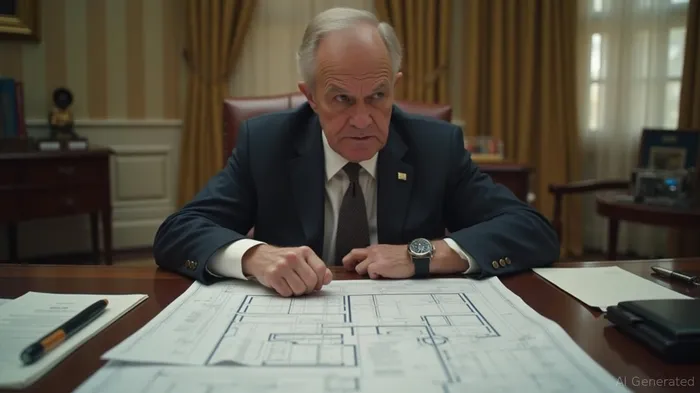
While resignation rumors persist, it remains clear that Powell is under immense pressure. The duration of his endurance continues to be a focal point as speculators and officials await further developments. The White House has intensified its scrutiny of Powell, with the administration targeting various aspects of his leadership and the Fed's operations. The latest move involves questioning the cost and management of a $2.5 billion renovation project at the Fed's headquarters, marking a new front in the ongoing tensions between the White House and the central bank.
The administration has accused Powell of mismanaging the Fed and misleading Congress about the renovation project's costs and scope. This criticism comes amid broader disagreements between Trump and Powell over monetary policy, with the president repeatedly calling for lower interest rates. Powell, however, has resisted these demands, citing the Fed's independence and its mandate to maintain stable prices and maximum employment.
The administration's pressure campaign on Powell has included public statements from top officials, including Trump himself, who has described Powell's performance as "terrible" and suggested that he should resign. Other officials, such as White House budget chief Russell Vought, have echoed these sentiments, accusing Powell of gross mismanagement and calling for greater transparency and accountability at the Fed.
Powell's term as Fed chair is set to expire in 2026, and the administration's actions have fueled speculation about his future at the central bank. Some analysts have suggested that the risk of Powell being ousted is underpriced, given the escalating tensions and the administration's willingness to target the Fed's leadership. However, Powell has indicated that he will not step down if asked by the president, reiterating his commitment to the Fed's independence and its dual mandate.
The White House's focus on the renovation project is seen as an attempt to undermine Powell's credibility and exert pressure on the Fed to align its policies more closely with the administration's preferences. The administration has also launched a campaign on social media and in Congress against the Fed, with Republicans accusing the central bank of overstepping its authority and pursuing policies that are not in the best interests of the American people.
Despite the administration's efforts, Powell has maintained his position and continued to advocate for the Fed's independence. He has emphasized the importance of the central bank's mandate and its role in promoting economic stability and growth. The ongoing tensions between the White House and the Fed highlight the challenges of maintaining the central bank's independence in the face of political pressure, and the importance of a strong and independent central bank in promoting economic stability and growth.

Stay ahead of the market.
Get curated U.S. market news, insights and key dates delivered to your inbox.


AInvest
PRO
AInvest
PRO



Comments
No comments yet