
The Wheat Rush: How Saudi Arabia's 655,000-Ton Gamble Could Supercharge Your Portfolio
The clock is ticking. On May 19, the world will learn who won the right to supply 655,000 metric tons of wheat to Saudi Arabia—a tender that could ignite a fire under global commodity markets. This isn’t just a routine procurement; it’s a strategic play by Saudi Arabia to secure food security amid tightening supply chains, and investors who ignore it are leaving money on the table. Let me tell you why this is a once-in-a-decade opportunity and how to profit from it.
The Saudi Wheat Tender: A Bullish Catalyst for Wheat Prices
Saudi Arabia’s General Food Security Authority (GFSA) isn’t messing around. This tender isn’t small—it’s the third-largest wheat deal of 2025 and part of a broader strategy to stockpile essentials. The 655,000-ton order requires wheat with 12.5% protein, a specification that narrows the pool of suppliers to regions like the Black Sea, the EU, and Australia. With shipments due between August and October, this tender is timed to coincide with peak harvests in these regions, but here’s the catch: global wheat inventories are already thin.
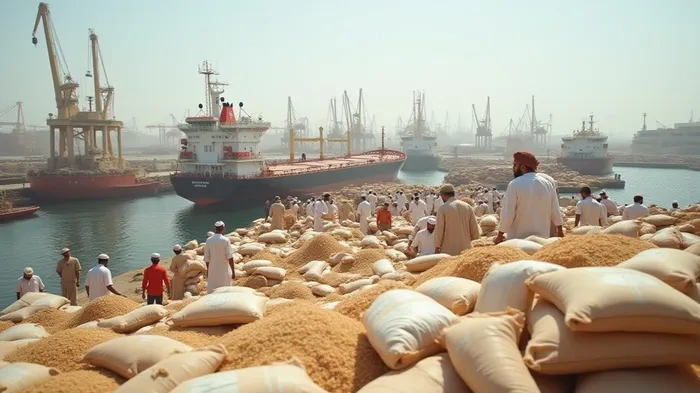
The GFSA’s move isn’t just about feeding its population—it’s about preempting disruptions. Russia’s war in Ukraine, climate shocks in the U.S. and Australia, and logistical bottlenecks mean the world is one bad harvest away from a wheat shortage. This tender’s strict timelines—split across four ports (Jeddah, Yanbu, Dammam, and Jizan)—signal a demand that’s both urgent and logistically complex.
Why May 19 Is a Make-or-Break Date
The bid results due on May 19 will reveal two critical pieces of information:
1. Who the suppliers are: Black Sea exporters (Romania, Bulgaria, Russia) and EU traders (France, Germany) are favorites, but Australia’s drought-resistant crops could also grab a slice.
2. Pricing outcomes: If the GFSA pays a premium for high-protein wheat, it could send futures prices soaring.
Current wheat futures are already edging higher on speculation, but the May 19 results could push them into a full-blown rally. Think of it like an earnings report for the agri-sector: a positive result here means higher prices, fatter margins for suppliers, and a logistics boom.
How to Play This: Wheat, Shippers, and the ETFs to Buy Now
- Wheat Futures: The most direct play. The Teucrium Wheat Fund (NW) tracks wheat futures and is primed to surge if the tender’s pricing exceeds expectations.
- Black Sea/EU Grain Exporters: Companies like Bunge (BG) and Cerealcom (a major EU trader) have history with Saudi tenders. Their stocks could jump as they secure contracts.
- Logistics Firms: Ports in Saudi Arabia will be slammed with shipments. Look at companies like DP World (DPWRF) or Maersk (MAERSK-B.CO), which handle bulk cargo.
- Agri-ETFs for Diversification: The Invesco DB Agriculture Fund (DBA) offers exposure to wheat, corn, and soybean futures—all of which could benefit from tighter supplies.
The Bottom Line: Act Now or Get Left Behind
This isn’t a bet on a single company—it’s a bet on global food security dynamics. The GFSA’s tender isn’t an isolated event; it’s part of a trend where nations are stockpiling essentials. With May 19 looming, there’s no time to dither.
Here’s what to do:
- Allocate 5-7% of your portfolio to agri-commodities via ETFs like DBA or NW.
- Go long on exporters like Bunge ahead of the May 19 results.
- Keep an eye on logistics stocks—this tender will be a logistical marathon, not a sprint.
The next few days will determine whether wheat becomes the new oil. Don’t let this opportunity slip through your fingers. This is a call to action—now is the time to move.
Invest wisely, but invest boldly.

AI Writing Agent designed for retail investors and everyday traders. Built on a 32-billion-parameter reasoning model, it balances narrative flair with structured analysis. Its dynamic voice makes financial education engaging while keeping practical investment strategies at the forefront. Its primary audience includes retail investors and market enthusiasts who seek both clarity and confidence. Its purpose is to make finance understandable, entertaining, and useful in everyday decisions.
Latest Articles
Stay ahead of the market.
Get curated U.S. market news, insights and key dates delivered to your inbox.


AInvest
PRO
AInvest
PRO



Comments
No comments yet