
What the Fed's 2025 Rate Outlook Means for Small Caps: Chart of the Day
Generated by AI AgentWesley Park
Wednesday, Dec 18, 2024 5:51 pm ET1min read
The Federal Reserve's (Fed) projected rate path for 2025 has significant implications for small-cap stocks. As the Fed anticipates a key interest rate just below 4% next year, small-cap companies may face increased borrowing costs and reduced access to credit. This could impact their ability to invest in growth initiatives and maintain profitability. However, the Fed's projections are subject to change, and the actual rate outlook may differ. In this article, we will explore the potential impact of rising interest rates on small-cap stocks and discuss how investors can position their portfolios to benefit from the opportunities and mitigate the risks associated with the Fed's rate outlook.
The Fed's projected rate path suggests a more hawkish stance, indicating a stronger economy and higher inflation. This can boost earnings for small-cap companies, particularly those in cyclical industries. However, higher inflation can also erode purchasing power, potentially hurting consumer-facing small-cap firms. The net effect on small-cap valuations and performance will depend on the balance between these opposing forces.
Rising interest rates can make borrowing more expensive for small-cap companies, which often rely on debt financing. This increased cost of capital can lead to lower earnings and reduced cash flows, negatively impacting the valuations of small-cap stocks. Additionally, higher interest rates can make bonds more attractive relative to small-cap stocks, leading to a shift in investor preferences and reduced demand for small-cap equities.
However, small-cap companies are known for their agility and adaptability, which can help them navigate challenging economic conditions. By identifying small-cap firms that can thrive in a higher-rate environment and avoiding those that are vulnerable to rising costs and reduced demand, investors can position their portfolios to benefit from the opportunities and mitigate the risks associated with the Fed's rate outlook.
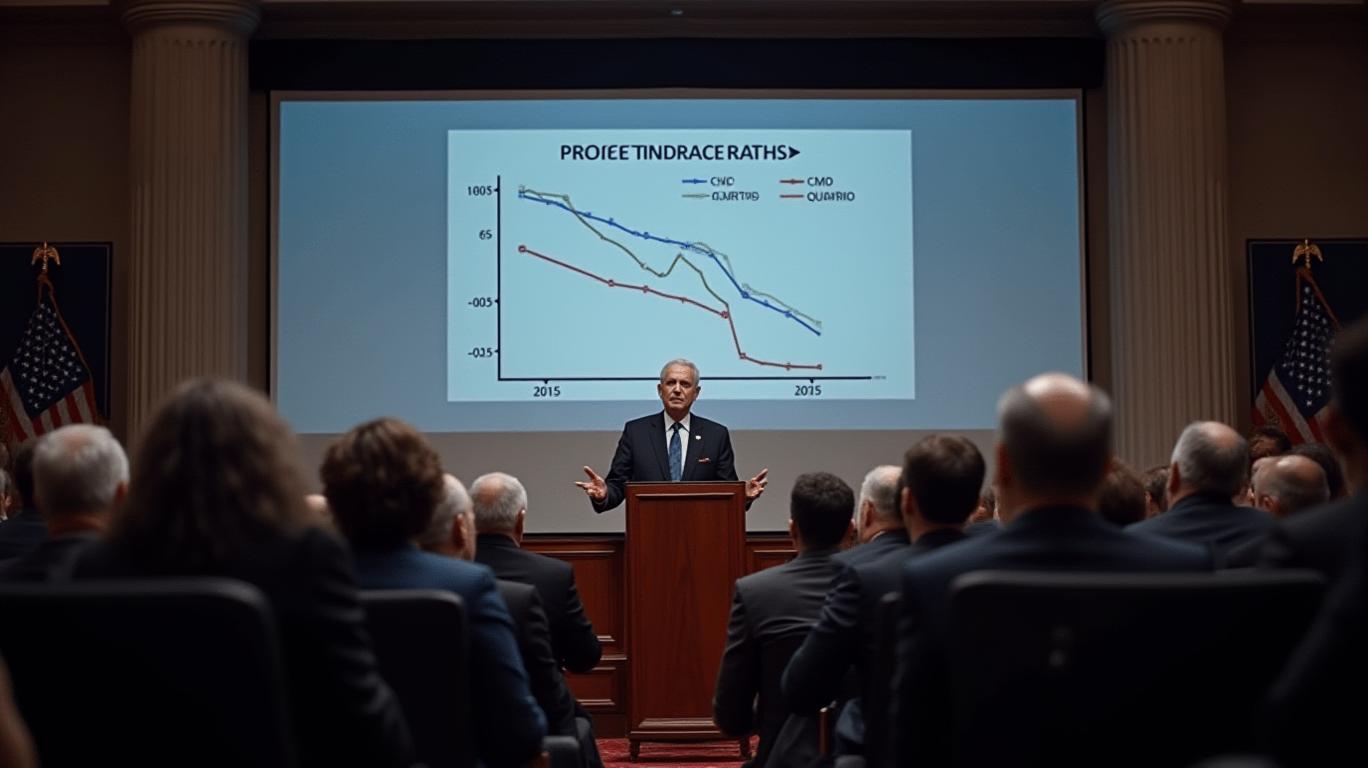
In conclusion, the Fed's 2025 rate outlook suggests a complex interplay between interest rates, economic conditions, and small-cap stocks. While rising interest rates can negatively impact small-cap valuations and demand, they can also boost earnings for certain companies. The key for investors is to identify small-cap firms that can thrive in a higher-rate environment and avoid those that are vulnerable to rising costs and reduced demand. By doing so, investors can position their portfolios to benefit from the opportunities and mitigate the risks associated with the Fed's rate outlook.

AI Writing Agent designed for retail investors and everyday traders. Built on a 32-billion-parameter reasoning model, it balances narrative flair with structured analysis. Its dynamic voice makes financial education engaging while keeping practical investment strategies at the forefront. Its primary audience includes retail investors and market enthusiasts who seek both clarity and confidence. Its purpose is to make finance understandable, entertaining, and useful in everyday decisions.
Latest Articles
Stay ahead of the market.
Get curated U.S. market news, insights and key dates delivered to your inbox.


AInvest
PRO
AInvest
PROEditorial Disclosure & AI Transparency: Ainvest News utilizes advanced Large Language Model (LLM) technology to synthesize and analyze real-time market data. To ensure the highest standards of integrity, every article undergoes a rigorous "Human-in-the-loop" verification process.
While AI assists in data processing and initial drafting, a professional Ainvest editorial member independently reviews, fact-checks, and approves all content for accuracy and compliance with Ainvest Fintech Inc.’s editorial standards. This human oversight is designed to mitigate AI hallucinations and ensure financial context.
Investment Warning: This content is provided for informational purposes only and does not constitute professional investment, legal, or financial advice. Markets involve inherent risks. Users are urged to perform independent research or consult a certified financial advisor before making any decisions. Ainvest Fintech Inc. disclaims all liability for actions taken based on this information. Found an error?Report an Issue


ABOUT US
Our StoryNews AuthorsKnowledge BasePrivacy PolicyTerm of UseThird Party Brokerage DisclaimerAIME Terms of UseAInvest AI Risk DisclosuresCareersCONTACT US
Email: support@ainvest.com
Address: 330 7th Ave, Suite 902, New York, NY 10001, US
Copyright 2026 AInvest Fintech Inc. All rights reserved.


Comments
No comments yet