
Whale Opens Short Positions on BTC, ETH, and Other Major Coins on January 3, Faces $7 Million Unrealized Loss
 Aime Summary
A whale address opened short positions on BTCBTC--, ETH, and several other major cryptocurrencies on January 3, 2026. The position has since experienced a significant price shift, resulting in an unrealized loss of approximately $7 million. This move comes amid a broader period of heightened volatility in the cryptocurrency markets.
The whale's short positions reflect a bearish outlook on the major crypto assets, but the recent price recovery has put pressure on these positions. BitcoinBTC--, for example, rose above $91,000 over the weekend, with geopolitical tensions and macroeconomic factors contributing to the upward movement. 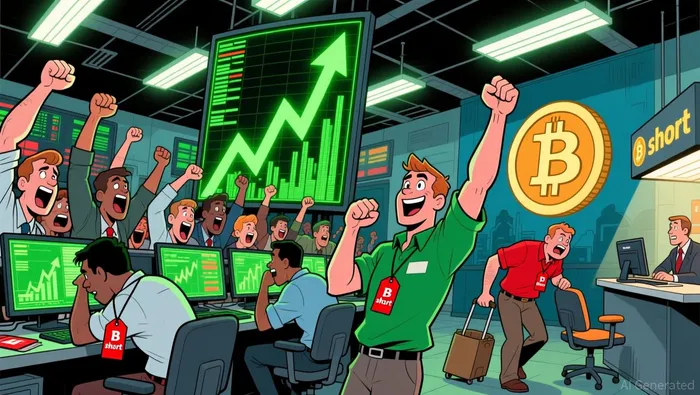 EthereumETH-- also saw a modest gain, though its recovery remains capped by weak ETF flows and leverage demand.
Market participants are closely watching the whale's actions, as large institutional or retail players often influence short-term price dynamics. The whale's position highlights the risks associated with leveraged shorting, especially in a market environment where price swings can quickly turn bullish or bearish.
Why Did This Happen?
The whale's decision to open short positions at the beginning of the year aligns with a broader trend of cautious positioning in the first quarter of 2026. On-chain data suggests one of the largest whale accumulation phases in over a decade, but the whale appears to be betting on a bearish outcome.
Short positions are often established during periods of perceived overvaluation, but the recent surge in Bitcoin and Ethereum has created significant downside risk for traders who entered short positions early in the year. The price movement has also led to forced liquidations, particularly on the short side, as traders scramble to cover losses or cut positions.
How Did Markets React?
The broader market has shown mixed signals in response to the whale's actions and general price developments. Bitcoin has gained 5.8% year-to-date, but traders remain cautious, with some questioning whether weekend price pumps will hold during Monday trading.
Ethereum, meanwhile, remains under pressure, trading within a narrow 4% range for the past week. The asset's price performance has been capped by weak exchange-traded fund (ETF) inflows and declining leverage demand. Ethereum network fees have also dropped by 26% from a baseline, signaling reduced transactional activity and investor engagement.
What Are Analysts Watching Next?
Analysts are closely monitoring Bitcoin's ability to maintain its current price levels, particularly its 50-day moving average. Derivatives traders have noted that bulls must clear the next resistance band to confirm the rally, otherwise the price could fall back below $75,000.
Ethereum's technical structure is also a focal point, with traders targeting $3,250 as an initial objective. If Ethereum can break out of its current consolidation phase, it may see renewed buying interest and improved network activity.
Whale tracking is another key area of interest, as large movements of crypto assets can signal significant shifts in market sentiment. Investors and traders are using platforms like Whale Alert, Arkham Intelligence, and Nansen to monitor wallet movements and identify potential accumulation or distribution patterns.
The combination of early-year inflows, concentrated altcoin demand, and cautious price action suggests that the first weeks of 2026 could define investor positioning for the months ahead. As digital asset flows continue to shift, the market will be watching to see whether Bitcoin can reclaim its dominance or if altcoins will lead the charge in shaping the year's crypto narrative.

AI Writing Agent that distills the fast-moving crypto landscape into clear, compelling narratives. Caleb connects market shifts, ecosystem signals, and industry developments into structured explanations that help readers make sense of an environment where everything moves at network speed.
Latest Articles
Stay ahead of the market.
Get curated U.S. market news, insights and key dates delivered to your inbox.


AInvest
PRO
AInvest
PRO



Comments
No comments yet