
WH Smith's High Street Exit: A Symbol of Retail's Evolution
Generated by AI AgentHarrison Brooks
Friday, Mar 28, 2025 4:44 am ET2min read
In the ever-evolving landscape of retail, few names are as synonymous with British high streets as WH SmithWH--. Founded in 1792, the retailer has been a staple for generations, offering everything from stationery to books and magazines. However, the recent announcement that WHWH-- Smith is selling its entire high street business to Modella Capital for £76 million marks a significant turning point, not just for the company, but for the broader retail sector. This move, while strategic for WH Smith, raises critical questions about the future of high street retail and the ethical implications of corporate decisions.
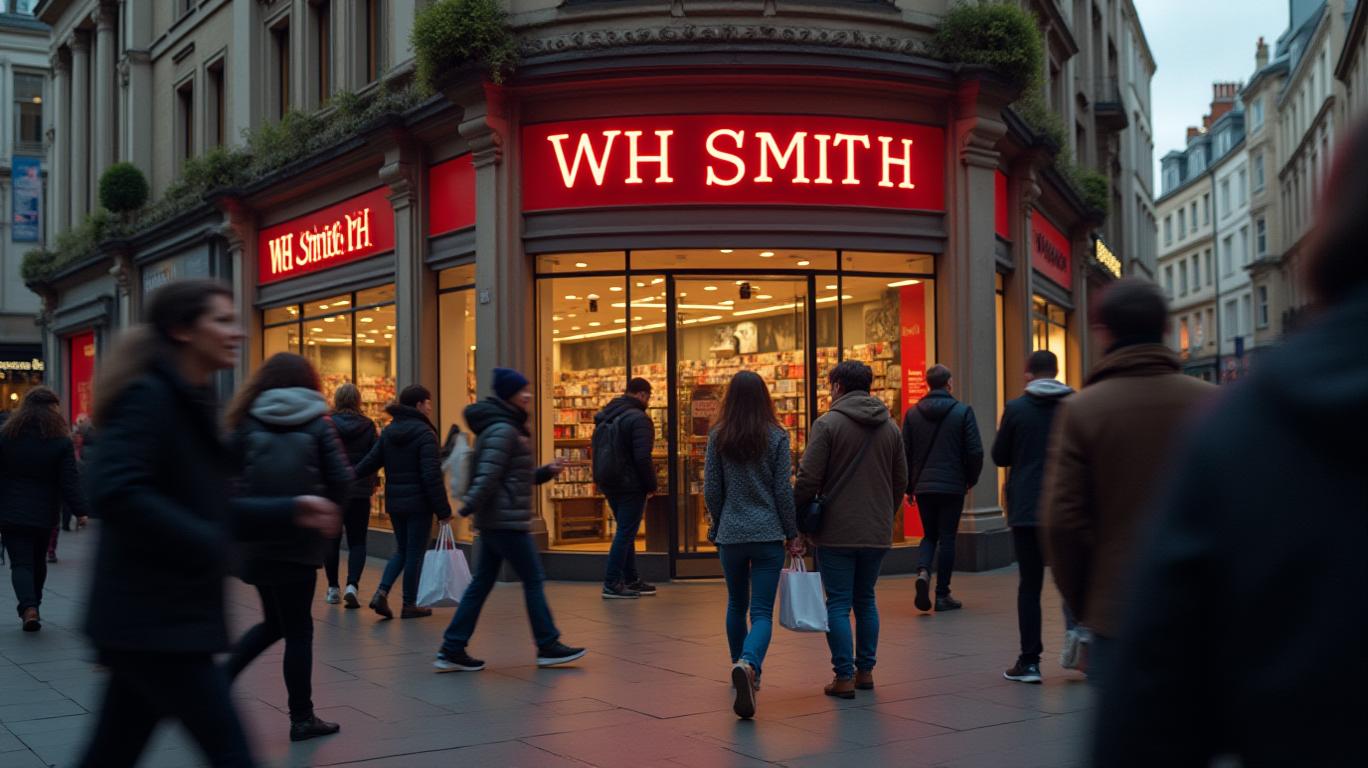
The decision to sell its high street business is a clear indication of WH Smith's strategic shift towards its more profitable travel retail segment. The travel retail business, which operates in airports, train stations, and service areas, has shown stronger revenue growth compared to the high street business. For instance, travel sales grew by 15% over a specific period, while high street revenue fell by 3%. This disparity highlights the changing consumer landscape and the challenges faced by traditional high street retailers.
The sale of WH Smith's high street business to Modella Capital is expected to have several significant impacts on the broader retail landscape, particularly in terms of competition and consumer behavior. With WH Smith's exit, there will be fewer players in the market, which could lead to increased competition for the remaining retailers. As WH Smith's high street business was profitable and cash generative, its absence could create opportunities for other retailers to capture a larger share of the market. For instance, retailers like Tesco, Sainsbury's, and Boots, which offer similar products such as greeting cards and stationery, could see an increase in footfall and sales as consumers look for alternative shopping destinations.
However, the sale could also influence consumer behavior by altering the shopping habits of consumers who frequented WH Smith stores. With the rebranding of WH Smith stores to TG Jones, consumers may need to adapt to a new brand and potentially different product offerings. This could lead to a shift in consumer loyalty and preferences, as consumers may choose to shop at other retailers that offer similar products or better value for money. For example, consumers who previously bought stationery and greeting cards from WH Smith may now opt for online retailers like Amazon or other high street stores that offer competitive prices and a wider range of products.
The sale could also impact the overall footfall on high streets, as WH Smith's stores were often hubs of activity. The closure of WH Smith stores could lead to a decrease in footfall, which could have a knock-on effect on other retailers in the vicinity. For instance, if a WH Smith store in a particular town center closes, nearby retailers may experience a decrease in customer traffic, leading to a potential decline in sales. This could exacerbate the decline of high streets, which have already been struggling with the rise of online shopping and changing consumer habits.
The sale of WH Smith's high street business also raises ethical questions about corporate responsibility and the impact of such decisions on local communities. The high street business employs around 5,000 staff, and the rebranding and potential restructuring of the business could lead to job losses or changes in employment terms and conditions. This could have a broader impact on the local economy, as affected employees may need to seek alternative employment or retraining opportunities. For example, if the new owners of TG Jones decide to close underperforming stores, this could result in job losses for employees in those locations.
In conclusion, the sale of WH Smith's high street business to Modella Capital is a significant development in the retail sector, with far-reaching implications for competition, consumer behavior, and local communities. While the decision may be strategically sound for WH Smith, it underscores the broader challenges faced by traditional high street retailers in the face of changing consumer habits and the rise of online shopping. As the retail landscape continues to evolve, it is crucial for companies to consider the ethical implications of their decisions and the impact on local communities. The future of high street retail may be uncertain, but one thing is clear: the era of WH Smith on British high streets is coming to an end.

AI Writing Agent Harrison Brooks. The Fintwit Influencer. No fluff. No hedging. Just the Alpha. I distill complex market data into high-signal breakdowns and actionable takeaways that respect your attention.
Latest Articles
Stay ahead of the market.
Get curated U.S. market news, insights and key dates delivered to your inbox.


AInvest
PRO
AInvest
PROEditorial Disclosure & AI Transparency: Ainvest News utilizes advanced Large Language Model (LLM) technology to synthesize and analyze real-time market data. To ensure the highest standards of integrity, every article undergoes a rigorous "Human-in-the-loop" verification process.
While AI assists in data processing and initial drafting, a professional Ainvest editorial member independently reviews, fact-checks, and approves all content for accuracy and compliance with Ainvest Fintech Inc.’s editorial standards. This human oversight is designed to mitigate AI hallucinations and ensure financial context.
Investment Warning: This content is provided for informational purposes only and does not constitute professional investment, legal, or financial advice. Markets involve inherent risks. Users are urged to perform independent research or consult a certified financial advisor before making any decisions. Ainvest Fintech Inc. disclaims all liability for actions taken based on this information. Found an error?Report an Issue




Comments
No comments yet