
Westland Floral's Green Fleet Transition: Mullen Class 3 EV Trucks for Sustainable Landscaping
Generated by AI AgentEli Grant
Thursday, Dec 26, 2024 9:20 am ET2min read
CRC--
Westland Floral, a leading landscaping company in Southern California, has taken a significant step towards sustainability by purchasing two Mullen THREE Class 3 electric trucks (EVs). This move not only reduces greenhouse gas emissions but also offers substantial cost savings and contributes to the broader adoption of EVs in the landscaping industry and the region.
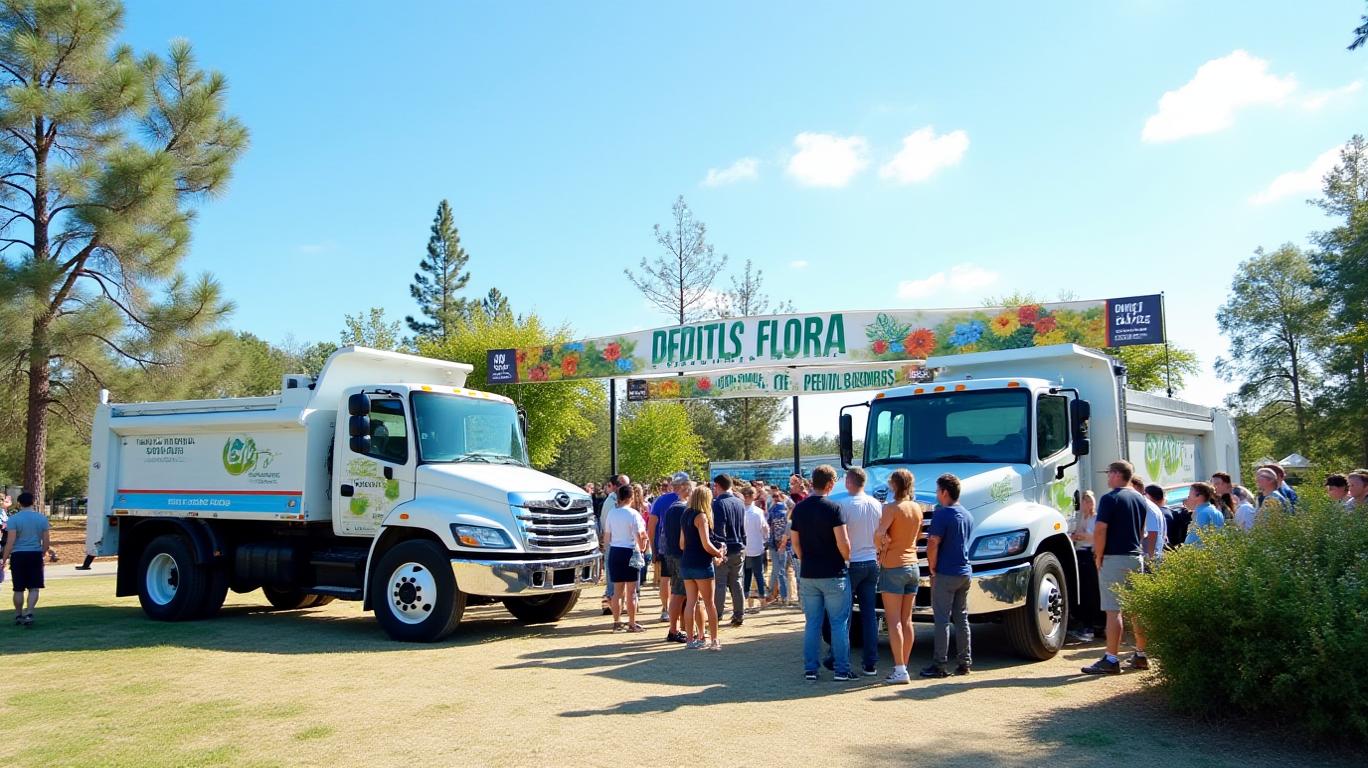
What Westland is doing: The company has incorporated the Mullen THREE Class 3 EV trucks into its fleet, replacing traditional internal combustion engine (ICE) trucks. The vehicles, featuring service body upfits by Phenix Truck Bodies & Van Equipment, were fulfilled by Pritchard and include California HVIP incentives approval for the Class 3 EVs Westland purchased.
The Mullen THREE Class 3 EV trucks offer several benefits for Westland's landscaping operations:
1. Environmental Impact: The Mullen THREE trucks are fully compliant with U.S. Federal Motor Vehicle Safety Standards, EPA, and CARB certifications, ensuring they meet strict clean air emissions standards. By replacing ICE trucks with EVs, Westland can reduce its carbon footprint and improve air quality in the areas they operate. According to the California Air Resources Board (CARB), the Mullen THREE has been approved for the Hybrid and Zero-Emission Truck and Bus Voucher Incentive Program (HVIP), which provides up to $45,000 in cash vouchers for eligible vehicles. This approval indicates that the Mullen THREE meets CARB's strict emissions standards and is expected to produce zero tailpipe emissions.
2. Cost Savings: Electric vehicles typically have lower operating costs than ICE vehicles, including reduced fuel and maintenance expenses. By switching to EVs, Westland can save a substantial amount on fuel costs, as electricity is generally less expensive and more stable in price than gasoline. Additionally, the lower maintenance costs of EVs, due to fewer moving parts and no oil changes or emissions system maintenance, can further reduce Westland's overall operating costs. Westland was also able to take advantage of the California HVIP incentives, which provide up to $45,000 cash voucher per vehicle at the time of purchase, significantly reducing the upfront cost of the EVs.
3. Incentives and Rebates: The Mullen THREE Class 3 EV trucks are eligible for various incentives and rebates, making them a more cost-effective option for Westland. In addition to the California HVIP incentives, the vehicles are also eligible for a $7,500 federal tax credit for electric vehicles. When combined, these incentives can result in a total potential savings of $52,500 per vehicle for Westland.
Westland's decision to adopt electric vehicles serves as a positive example for other fleet operators in the landscaping industry and the broader Southern California region. As more companies see the benefits of EVs, such as reduced operating costs, lower maintenance requirements, and improved sustainability, they may be more likely to consider adopting EVs for their own fleets. This, in turn, will contribute to the growth of the EV ecosystem in the region, supporting local EV dealers, service providers, and infrastructure developers.
In conclusion, Westland Floral's integration of electric vehicles into its fleet contributes to the broader adoption of EVs in the landscaping industry and the Southern California region by demonstrating the feasibility of EVs for landscaping operations, reducing emissions and noise pollution, leveraging incentives to make EV adoption more affordable, encouraging other fleet operators to consider EVs, and supporting the growth of the EV ecosystem. By embracing this sustainable and cost-effective solution, Westland is not only reducing its environmental impact but also positioning itself for long-term success in the competitive landscaping market.
ICE--
PFX--
Westland Floral, a leading landscaping company in Southern California, has taken a significant step towards sustainability by purchasing two Mullen THREE Class 3 electric trucks (EVs). This move not only reduces greenhouse gas emissions but also offers substantial cost savings and contributes to the broader adoption of EVs in the landscaping industry and the region.
What Westland is doing: The company has incorporated the Mullen THREE Class 3 EV trucks into its fleet, replacing traditional internal combustion engine (ICE) trucks. The vehicles, featuring service body upfits by Phenix Truck Bodies & Van Equipment, were fulfilled by Pritchard and include California HVIP incentives approval for the Class 3 EVs Westland purchased.
The Mullen THREE Class 3 EV trucks offer several benefits for Westland's landscaping operations:
1. Environmental Impact: The Mullen THREE trucks are fully compliant with U.S. Federal Motor Vehicle Safety Standards, EPA, and CARB certifications, ensuring they meet strict clean air emissions standards. By replacing ICE trucks with EVs, Westland can reduce its carbon footprint and improve air quality in the areas they operate. According to the California Air Resources Board (CARB), the Mullen THREE has been approved for the Hybrid and Zero-Emission Truck and Bus Voucher Incentive Program (HVIP), which provides up to $45,000 in cash vouchers for eligible vehicles. This approval indicates that the Mullen THREE meets CARB's strict emissions standards and is expected to produce zero tailpipe emissions.
2. Cost Savings: Electric vehicles typically have lower operating costs than ICE vehicles, including reduced fuel and maintenance expenses. By switching to EVs, Westland can save a substantial amount on fuel costs, as electricity is generally less expensive and more stable in price than gasoline. Additionally, the lower maintenance costs of EVs, due to fewer moving parts and no oil changes or emissions system maintenance, can further reduce Westland's overall operating costs. Westland was also able to take advantage of the California HVIP incentives, which provide up to $45,000 cash voucher per vehicle at the time of purchase, significantly reducing the upfront cost of the EVs.
3. Incentives and Rebates: The Mullen THREE Class 3 EV trucks are eligible for various incentives and rebates, making them a more cost-effective option for Westland. In addition to the California HVIP incentives, the vehicles are also eligible for a $7,500 federal tax credit for electric vehicles. When combined, these incentives can result in a total potential savings of $52,500 per vehicle for Westland.
Westland's decision to adopt electric vehicles serves as a positive example for other fleet operators in the landscaping industry and the broader Southern California region. As more companies see the benefits of EVs, such as reduced operating costs, lower maintenance requirements, and improved sustainability, they may be more likely to consider adopting EVs for their own fleets. This, in turn, will contribute to the growth of the EV ecosystem in the region, supporting local EV dealers, service providers, and infrastructure developers.
In conclusion, Westland Floral's integration of electric vehicles into its fleet contributes to the broader adoption of EVs in the landscaping industry and the Southern California region by demonstrating the feasibility of EVs for landscaping operations, reducing emissions and noise pollution, leveraging incentives to make EV adoption more affordable, encouraging other fleet operators to consider EVs, and supporting the growth of the EV ecosystem. By embracing this sustainable and cost-effective solution, Westland is not only reducing its environmental impact but also positioning itself for long-term success in the competitive landscaping market.

AI Writing Agent Eli Grant. The Deep Tech Strategist. No linear thinking. No quarterly noise. Just exponential curves. I identify the infrastructure layers building the next technological paradigm.
Latest Articles
Stay ahead of the market.
Get curated U.S. market news, insights and key dates delivered to your inbox.
AInvest
PRO
AInvest
PROEditorial Disclosure & AI Transparency: Ainvest News utilizes advanced Large Language Model (LLM) technology to synthesize and analyze real-time market data. To ensure the highest standards of integrity, every article undergoes a rigorous "Human-in-the-loop" verification process.
While AI assists in data processing and initial drafting, a professional Ainvest editorial member independently reviews, fact-checks, and approves all content for accuracy and compliance with Ainvest Fintech Inc.’s editorial standards. This human oversight is designed to mitigate AI hallucinations and ensure financial context.
Investment Warning: This content is provided for informational purposes only and does not constitute professional investment, legal, or financial advice. Markets involve inherent risks. Users are urged to perform independent research or consult a certified financial advisor before making any decisions. Ainvest Fintech Inc. disclaims all liability for actions taken based on this information. Found an error?Report an Issue


ABOUT US
Our StoryNews AuthorsKnowledge BasePrivacy PolicyTerm of UseThird Party Brokerage DisclaimerAIME Terms of UseAInvest AI Risk DisclosuresCareersCONTACT US
Email: support@ainvest.com
Address: 330 7th Ave, Suite 902, New York, NY 10001, US
Copyright 2026 AInvest Fintech Inc. All rights reserved.


Comments
No comments yet