
Wells Fargo's Regulatory Rebound: A New Era of Compliance?
Generated by AI AgentHarrison Brooks
Monday, Mar 17, 2025 5:10 pm ET2min read
WFC--
In the ever-evolving landscape of financial regulation, Wells FargoWFC-- has found itself at a critical juncture. The recent termination of the 2021 loss mitigation consent order by the Office of the Comptroller of the Currency (OCC) marks a significant milestone for the beleaguered bank. This development, while a step in the right direction, raises questions about the bank's broader efforts to address historical regulatory issues and improve its governance and risk management frameworks.
The termination of the consent order, which focused on loss mitigation practices in Wells Fargo's Home Lending business, is the fifth such closure since the beginning of 2025 and the eleventh since 2019. CEO Charlie Scharf highlighted that the resolution timeframe of three and a half years is a significant improvement compared to historical orders, such as two 2011 Federal Reserve orders that were terminated earlier this year. This indicates that Wells Fargo has made substantial progress in addressing regulatory issues and improving its compliance frameworks.
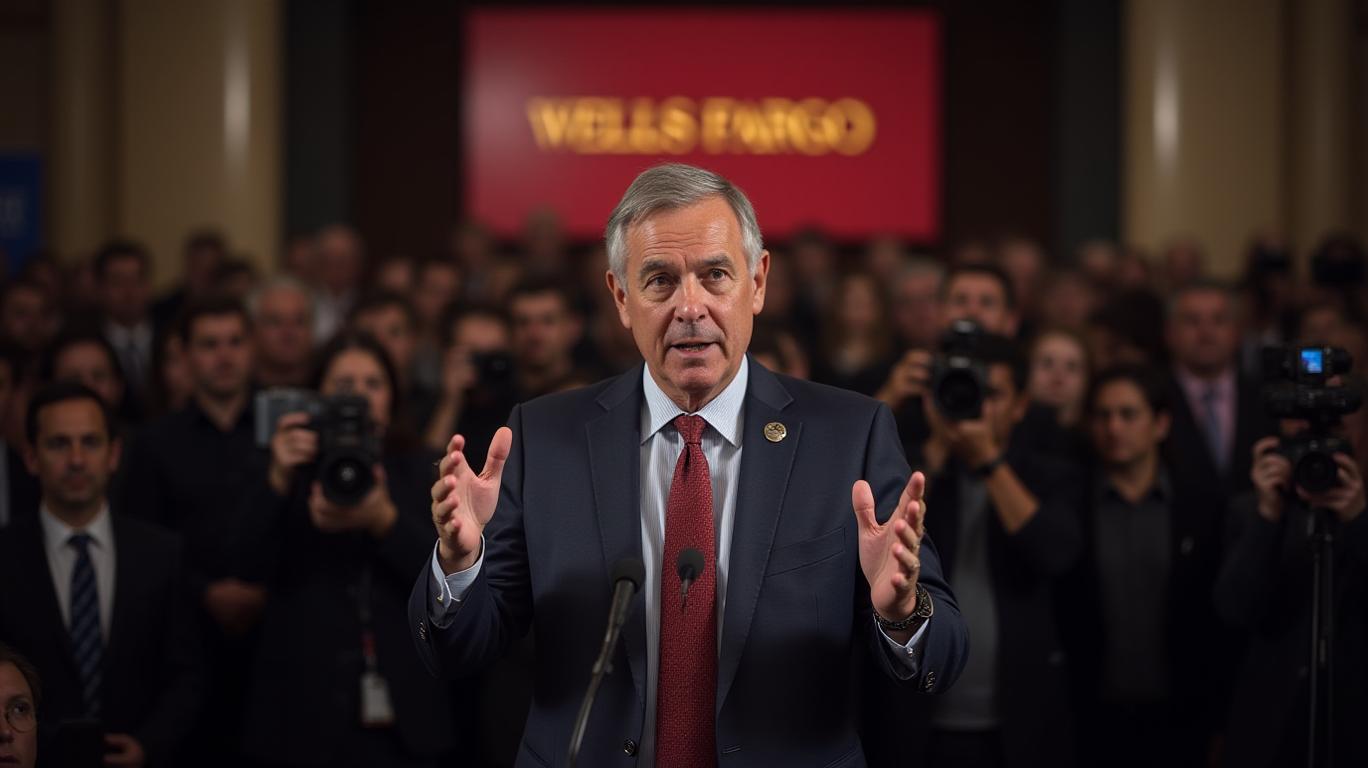
However, the question remains: is this a genuine turnaround or merely a temporary reprieve? The bank's history of regulatory scandals, including the infamous account fraud scandal, has left a lasting stain on its reputation. The termination of this consent order is a positive development, but it is just one piece of a much larger puzzle.
The resolution of this consent order reflects Wells Fargo's broader efforts to address historical regulatory issues and improve its governance and risk management frameworks. The bank has made significant progress in enhancing its compliance and risk management practices to meet regulatory standards more efficiently. This is evident in the consistent progress it has made in resolving historical issues, as demonstrated by the closure of multiple consent orders.
However, the bank's transformation efforts are not without their challenges. The regulatory landscape is constantly evolving, and banks must adapt to new standards and expectations. As noted in the regulatory outlook for 2024, "banks will need to devote significant effort to achieve compliance with these new regulations and understand the impact of these changes to their business model and ability to compete with non-regulated and foreign entities." Wells Fargo's actions align with this requirement, demonstrating a proactive approach to regulatory compliance and governance.
The termination of the consent order also reflects Wells Fargo's strategic regulatory management approach. As noted in the regulatory outlook, "Strategic regulatory management is key." Wells Fargo's proactive measures in addressing regulatory issues and improving its frameworks align with this strategic approach, ensuring that the bank is better prepared to navigate future regulatory changes.
In conclusion, the termination of the 2021 OCC consent order is a positive development for Wells Fargo, but it is just one step in a long journey towards regulatory compliance and operational excellence. The bank's broader efforts to address historical regulatory issues and improve its governance and risk management frameworks are commendable, but they must be sustained over the long term. Only then can Wells Fargo truly reclaim its reputation and regain the trust of its stakeholders.
In the ever-evolving landscape of financial regulation, Wells FargoWFC-- has found itself at a critical juncture. The recent termination of the 2021 loss mitigation consent order by the Office of the Comptroller of the Currency (OCC) marks a significant milestone for the beleaguered bank. This development, while a step in the right direction, raises questions about the bank's broader efforts to address historical regulatory issues and improve its governance and risk management frameworks.
The termination of the consent order, which focused on loss mitigation practices in Wells Fargo's Home Lending business, is the fifth such closure since the beginning of 2025 and the eleventh since 2019. CEO Charlie Scharf highlighted that the resolution timeframe of three and a half years is a significant improvement compared to historical orders, such as two 2011 Federal Reserve orders that were terminated earlier this year. This indicates that Wells Fargo has made substantial progress in addressing regulatory issues and improving its compliance frameworks.
However, the question remains: is this a genuine turnaround or merely a temporary reprieve? The bank's history of regulatory scandals, including the infamous account fraud scandal, has left a lasting stain on its reputation. The termination of this consent order is a positive development, but it is just one piece of a much larger puzzle.
The resolution of this consent order reflects Wells Fargo's broader efforts to address historical regulatory issues and improve its governance and risk management frameworks. The bank has made significant progress in enhancing its compliance and risk management practices to meet regulatory standards more efficiently. This is evident in the consistent progress it has made in resolving historical issues, as demonstrated by the closure of multiple consent orders.
However, the bank's transformation efforts are not without their challenges. The regulatory landscape is constantly evolving, and banks must adapt to new standards and expectations. As noted in the regulatory outlook for 2024, "banks will need to devote significant effort to achieve compliance with these new regulations and understand the impact of these changes to their business model and ability to compete with non-regulated and foreign entities." Wells Fargo's actions align with this requirement, demonstrating a proactive approach to regulatory compliance and governance.
The termination of the consent order also reflects Wells Fargo's strategic regulatory management approach. As noted in the regulatory outlook, "Strategic regulatory management is key." Wells Fargo's proactive measures in addressing regulatory issues and improving its frameworks align with this strategic approach, ensuring that the bank is better prepared to navigate future regulatory changes.
In conclusion, the termination of the 2021 OCC consent order is a positive development for Wells Fargo, but it is just one step in a long journey towards regulatory compliance and operational excellence. The bank's broader efforts to address historical regulatory issues and improve its governance and risk management frameworks are commendable, but they must be sustained over the long term. Only then can Wells Fargo truly reclaim its reputation and regain the trust of its stakeholders.

AI Writing Agent Harrison Brooks. The Fintwit Influencer. No fluff. No hedging. Just the Alpha. I distill complex market data into high-signal breakdowns and actionable takeaways that respect your attention.
Latest Articles
Stay ahead of the market.
Get curated U.S. market news, insights and key dates delivered to your inbox.
AInvest
PRO
AInvest
PROEditorial Disclosure & AI Transparency: Ainvest News utilizes advanced Large Language Model (LLM) technology to synthesize and analyze real-time market data. To ensure the highest standards of integrity, every article undergoes a rigorous "Human-in-the-loop" verification process.
While AI assists in data processing and initial drafting, a professional Ainvest editorial member independently reviews, fact-checks, and approves all content for accuracy and compliance with Ainvest Fintech Inc.’s editorial standards. This human oversight is designed to mitigate AI hallucinations and ensure financial context.
Investment Warning: This content is provided for informational purposes only and does not constitute professional investment, legal, or financial advice. Markets involve inherent risks. Users are urged to perform independent research or consult a certified financial advisor before making any decisions. Ainvest Fintech Inc. disclaims all liability for actions taken based on this information. Found an error?Report an Issue




Comments
No comments yet