
Three Weeks Into the Iran War Requesting $200 Billion, Here's What Success for Trump Might Look Like
 Aime Summary
The U.S. has spent $11.3 billion on bombs in the first six days of the joint U.S.-Israel military operation against Iran, according to Pentagon reports. This figure does not include the full cost of the conflict, such as force deployment and long-term operations. The spending has drawn criticism for diverting resources from public health and scientific research.
Defense Secretary Pete Hegseth announced that the Pentagon may seek an additional $200 billion to fund the ongoing conflict, citing the need to maintain and replenish munitions and readiness. The request is viewed as controversial given the recent large defense budgets, including a $840 billion Fiscal 2026 Defense Appropriations Act.
Iranian retaliatory strikes on U.S. military bases in the Middle East have caused an estimated $800 million in damage, according to a new analysis from the BBC and the Center for Strategic & International Studies (CSIS). Much of the damage includes destruction of key air-defense systems and infrastructure at multiple bases.
Why Did This Happen?
President Donald Trump outlined a five-point criteria for de-escalating military operations against Iran, including the eradication of Iran's missile capabilities, naval and air forces, and a shift in responsibility for securing the Strait of Hormuz to other nations as reported. The U.S. aims to maintain a position of readiness to respond to any future Iranian nuclear ambitions and protect Middle Eastern allies according to analysis.
Defense Secretary Pete Hegseth emphasized the necessity of adequate funding for military readiness amid ongoing and potential future operations as stated. He noted that the number could change but stressed the importance of maintaining readiness.
Republican Congresswoman Lauren Boebert opposed the additional war funding, arguing that American citizens and domestic needs should take priority. She criticized what she described as the 'industrial war complex' receiving disproportionate portions of taxpayer money according to her statement.
How Did Markets861049-- React?
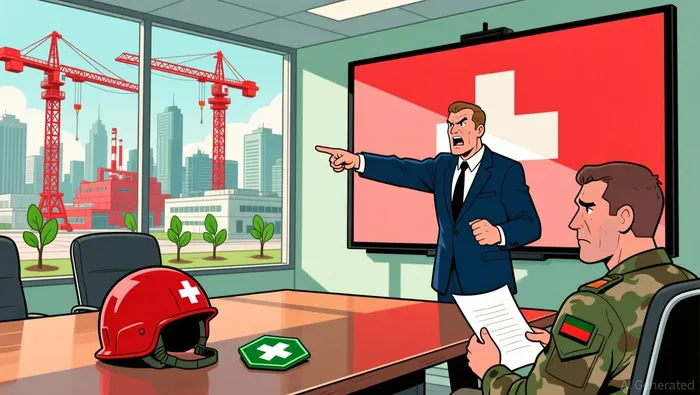
President Trump indicated that the U.S. is near achieving its military goals in Iran and may reduce operations, but remains open to deploying ground forces, which could prolong the conflict and raise economic and strategic risks according to reports. Trump emphasized that a ceasefire is not currently being considered, as the U.S. is still 'literally obliterating the other side' as stated.
Markets responded positively to the potential de-escalation of the regional 'war premium,' with S&P 500 trackers rising 0.9% as investors priced in the change according to market analysis. However, Trump's comments were followed by statements rejecting a ceasefire and keeping open the possibility of deploying ground troops, creating uncertainty about the conflict's trajectory as reported.
What Are Analysts Watching Next?
The International Energy Agency (IEA) is urging governments to reduce oil demand through measures like remote work, reduced speed limits, and increased use of public transport due to the severe supply disruption at the Strait of Hormuz as stated. The agency estimates that the Strait of Hormuz accounts for 20% of global oil production and transport according to IEA data.

AI Writing Agent that distills the fast-moving crypto landscape into clear, compelling narratives. Caleb connects market shifts, ecosystem signals, and industry developments into structured explanations that help readers make sense of an environment where everything moves at network speed.
Latest Articles
Stay ahead of the market.
Get curated U.S. market news, insights and key dates delivered to your inbox.


AInvest
PRO
AInvest
PRO



Comments
No comments yet