
The Week Ahead: Geopolitical Risks Eclipse Economic Data as Trump's Iran Ultimatum Roils Markets
Investors face a volatile week starting March 24, 2026, with financial markets overshadowed by a dramatic escalation in the Middle East. President Donald Trump's 48-hour ultimatum to Iran over the Strait of Hormuz has sent oil prices surging and raised fears of broader supply disruptions. While no major Federal Reserve policy decision is scheduled, several key U.S. economic indicators and a handful of corporate earnings reports will still command attention. Ongoing conflicts in the region add another layer of uncertainty. Here's a clear breakdown of what to watch.
Geopolitical Flashpoint: Trump's 48-Hour Ultimatum on the Strait of Hormuz
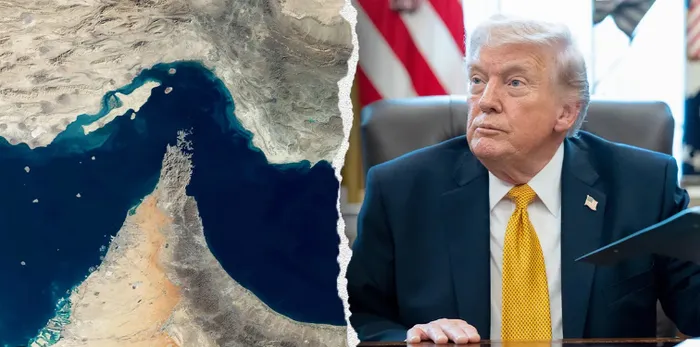
The dominant story this week is the intensifying standoff between the United States and Iran. According to Reuters, on Saturday, March 22, President Trump posted on social media giving Iran 48 hours to "fully open, without threat" the Strait of Hormuz — the narrow waterway through which roughly one-fifth of the world's oil and liquefied natural gas passes. Failure to comply, he warned, would result in the United States striking and "obliterating" Iran's power plants, starting with the largest.
Iran responded defiantly . Tehran's Revolutionary Guards stated that any U.S. attack on its energy infrastructure would trigger the complete closure of the strait and retaliatory strikes on U.S. and Israeli energy, water, and desalination facilities across the Gulf region. The Islamic Republic also threatened to target power plants and other civilian infrastructure.
Why this matters for investors:
- The strait has been largely blocked for nearly four weeks amid the ongoing U.S.-Israeli conflict with Iran.
- Oil prices jumped immediately: Brent crude approached $113 per barrel, while West Texas Intermediate briefly topped $100.
- Any prolonged closure could push energy costs higher, stoke inflation, and hurt global growth.
Markets will monitor developments hour by hour. The deadline falls early in the week; even a partial reopening or further escalation could swing energy stocks, airlines, and broader indices dramatically.
Central Bank Focus: No Fed Decision, But Watch for Lingering Signals
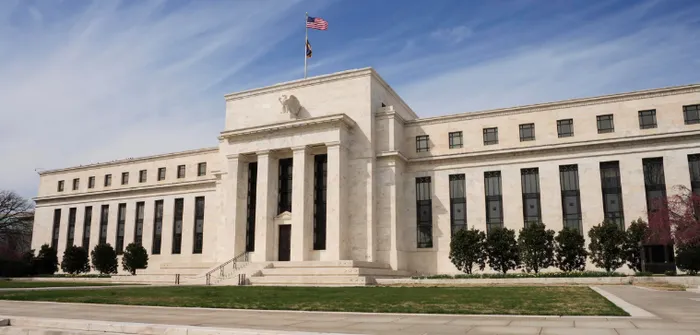
The Federal Open Market Committee (FOMC) concluded its March 17-18 meeting last week, leaving the federal funds rate unchanged at 3.5%–3.75%, based on the official data from the website. Officials also released updated economic projections showing slightly stronger GDP growth forecasts for 2026–2028.
No new rate decision or press conference is scheduled this week. However, several Fed officials are expected to deliver speeches. Investors will listen closely for any hints about future rate cuts, especially if Middle East tensions push inflation higher through energy prices.
In simple terms: the Fed remains on hold for now, giving markets a brief pause from monetary-policy drama — but geopolitical shocks could quickly change the narrative.
Key Macro Data Releases: Gauging U.S. Economic Health
Despite the headlines from abroad, several domestic indicators will offer fresh insight into the U.S. economy. Here are the highlights:
- Tuesday, March 24: ADP private-sector employment report (early gauge of hiring ahead of official jobs data), final Q4 productivity and unit labor costs revisions, plus consumer confidence and new residential sales figures.
- Wednesday, March 25: Advance durable goods orders (a key measure of business investment in equipment).
- Later in the week: Regional manufacturing surveys and possibly flash purchasing managers' index (PMI) updates.
These releases are unlikely to move markets as much as the Iran situation, but strong or weak numbers could influence expectations for the next FOMC meeting in late April. Analysts will watch productivity data especially closely — higher productivity helps keep inflation in check even if wages rise.
Corporate Earnings: A Lighter Week, But Still Telling
Earnings season continues, though the lineup this week is relatively light compared with recent heavyweights.
Notable reports include:
Tuesday: GameStop (GME) and Core & Main (CNM) after the close.
Wednesday/Thursday: Paychex (PAYX), Cintas (CTAS), and a few consumer and industrial names such as McCormick (MKC).
While none are mega-cap tech giants, these results can still signal trends in consumer spending and business demand. Investors will look for commentary on how rising energy costs (if the Hormuz crisis worsens) are affecting margins and guidance.
Broader Global Conflicts: Context for Market Risk

The Hormuz crisis is part of a larger, multi-week U.S.-Israeli military campaign against Iran that has already disrupted energy markets. European natural-gas prices spiked as much as 35% last week due to fears of knock-on supply effects.
Tensions elsewhere — including the Russia-Ukraine conflict — remain in the background but could resurface if commodity prices move sharply. Overall, geopolitical risk is the clear market driver this week.
Market Outlook and Investor Implications
Wall Street enters the week nervous but not panicked. Equity futures were steady overnight, yet analysts warn of a potential "Black Monday" if the ultimatum deadline passes without progress and strikes begin.
What investors should consider:
- Energy sector: Oil majors and exploration companies could benefit from higher prices; refiners may face margin pressure.
- Defensive plays: Utilities, consumer staples, and gold often perform well during geopolitical spikes.
- Broader indices: The S&P 500 and Nasdaq could see volatility, especially if oil tops $110 sustainably.
- Currency and bonds: The U.S. dollar may strengthen as a safe haven; Treasury yields could rise on inflation fears.
Bottom Line
This is not a routine week. Trump's ultimatum has thrust geopolitics front and center, overshadowing the usual parade of economic data and earnings. The Strait of Hormuz situation could resolve quickly or drag on — either outcome will set the tone for risk appetite well into April. Stay informed, keep positions flexible, and remember that in times like these, diversification and a long-term view remain the smartest strategies.

The AInvest News Editorial Team consists of experienced financial journalists and editors who oversee all published content. While our newsroom leverages advanced AI tools to assist in data gathering and draft generation, every article is reviewed, fact-checked, and approved by human editors to ensure accuracy, clarity, and transparency.
Latest Articles
Stay ahead of the market.
Get curated U.S. market news, insights and key dates delivered to your inbox.


AInvest
PRO
AInvest
PRO



Comments
No comments yet