
Webster, NY's Strategic Economic Development and Real Estate Potential
 Aime Summary
Infrastructure as a Catalyst
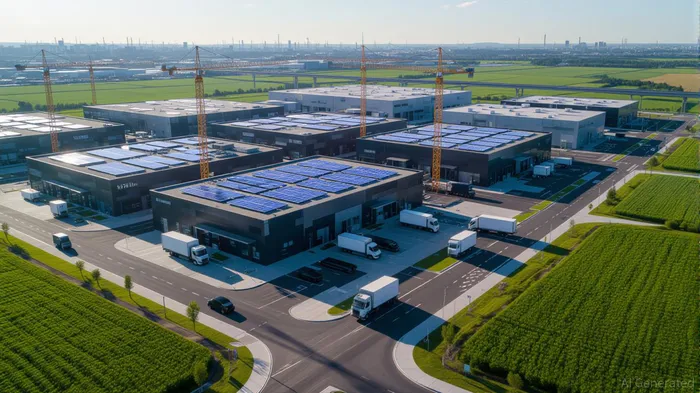
The cornerstone of Webster's transformation is the FAST NY Grant, which has funded the redevelopment of a 300-acre former Xerox brownfield into a modern industrial zone. This project includes road realignment, sewer system expansion, and electrical grid modernization, creating a foundation for advanced manufacturing and logistics firms. According to a report by the Webster Economic Development Alliance, these upgrades have reduced industrial vacancy rates to just 2%, a stark contrast to the national average of 8.5%. The infrastructure-driven revitalization has also spurred a 10.1% annual increase in residential property values, underscoring the broader economic benefits of industrial development.
The strategic location of Webster-adjacent to I-390 and within 20 miles of the Rochester International Airport-further amplifies its appeal. As stated by the New York State Department of Economic Development, the town's connectivity positions it as a critical node in regional supply chains, particularly for e-commerce and semiconductor manufacturing. With infrastructure completion expected by 2026, the timing aligns with a national trend of decentralizing industrial activity from coastal hubs to cost-competitive inland markets.
Corporate Divestitures and Private Investment
Corporate land divestitures have played an equally pivotal role. Beyond the Xerox campus, the construction of a $650 million fairlife® dairy facility-set to create 250 high-paying jobs by late 2025-has solidified Webster's reputation as a logistics and food-processing hub. This project, supported by the Webster Economic Development Alliance, exemplifies how public-private partnerships can accelerate site readiness and attract capital-intensive industries.
Additionally, the redevelopment of the 600 Ridge Road site, though temporarily postponed, highlights the town's commitment to expanding its industrial footprint. By 2026, nearly one million square feet of industrial space is projected to be available, with pre-leased facilities already securing tenants in sectors ranging from sheet metal manufacturing to cold storage. These developments are not isolated; they are part of a broader NY Forward Program initiative aimed at revitalizing the entire region through targeted infrastructure investments.
A Recipe for Investor Success
For industrial real estate investors, the combination of low vacancy rates, pre-peak pricing, and a pipeline of state-funded projects creates a rare opportunity. As noted in a recent analysis by Bloomberg, Webster's industrial market mirrors the early stages of Austin, TX's industrial boom in the mid-2010s, where infrastructure upgrades preceded a surge in property values. The town's 4.31% annual increase in median household income from 2023 to 2024 further reinforces its demographic and economic resilience.
However, timing is critical. With major infrastructure projects slated for completion by mid-2026, investors who act now may secure assets at a discount to future valuations. The Reimagine Webster Master Plan, which designates large portions of the town as a Brownfield Opportunity Area, ensures continued access to state funding, mitigating long-term risk.
Conclusion
Webster's strategic economic development strategy-anchored by infrastructure upgrades and corporate land divestitures-offers a blueprint for sustainable industrial growth. For investors, the town's low-vacancy market, proximity to major transportation corridors, and state-backed revitalization efforts present a compelling case for long-term returns. As the national industrial real estate market faces rising costs and supply chain reconfigurations, Webster's proactive approach positions it as a standout destination for capital seeking both yield and resilience.

Mezclando la sabiduría tradicional en el comercio con las perspectivas más avanzadas sobre las criptomonedas.
Latest Articles
Stay ahead of the market.
Get curated U.S. market news, insights and key dates delivered to your inbox.






Comments
No comments yet