
Webster, NY: A Blueprint for Post-Industrial Revitalization Through Strategic Infrastructure and Real Estate Investment


 Aime Summary
Strategic Infrastructure as a Catalyst for Growth
Webster's revitalization began with the $9.8 million FAST NY grant awarded to the Webster Economic Development Alliance (WEDA) in 2020. This funding targeted the former Xerox Wilson Campus, a 300-acre brownfield site, to upgrade roadways, sewer systems, and electrical infrastructure. These upgrades were designed to make the area shovel-ready for high-value industries. The results have been transformative: the site now hosts the $650 million fairlife® dairy production facility, which is projected to create 250 jobs and serve as a cornerstone tenant in the redeveloped area.
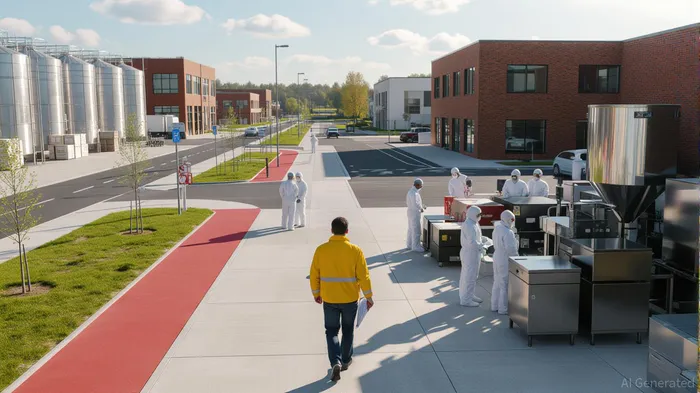 The infrastructure investments extended beyond industrial corridors. The Village of Webster secured $4.5 million through the NY Forward Community Revitalization Program to enhance downtown walkability, sustainability, and cultural amenities according to the program's objectives. Additionally, federal funding for bicycle and pedestrian infrastructure, coupled with a $28.25 million bond for a new Highway Department facility, has further solidified the village's connectivity and operational efficiency. These projects collectively signal a commitment to creating a multifaceted ecosystem that supports both industrial and residential growth.
Real Estate Value Appreciation and Market Dynamics
The economic impact of these initiatives is evident in Webster's real estate market. By 2025, residential property values had risen by 10.1%, driven by improved infrastructure and the influx of high-paying jobs. The transformation of the Xerox campus into a mixed-use development-incorporating residential, retail, and commercial spaces-has also spurred demand for walkable, community-centric neighborhoods. For instance, the demolition of the long-abandoned building at 600 Ridge Road and the West Webster Hamlet Revitalization Project have created opportunities for retail and residential development, aligning with broader trends in urban renewal.
The synchronized timelines of infrastructure completion (2025–2026) have created a "perfect storm" for real estate investment. Developers now have access to pre-vetted, infrastructure-ready sites, reducing the risks typically associated with brownfield redevelopment. This has positioned Webster as a high-growth secondary market, offering competitive advantages such as lower costs and proximity to major transport corridors like I-390 and the Rochester International Airport according to market analysis.
National Trends and Comparative Insights
Webster's strategy mirrors national trends in post-industrial revitalization. According to a report by the Lincoln Institute, equitable development in legacy cities requires a dual focus on physical infrastructure and social investment. Webster's emphasis on mixed-use development and workforce accessibility aligns with this framework, addressing both economic and social challenges. Similarly, the Strategic Regional Research Alliance highlights the importance of Business Case Analyses (BCAs) in evaluating long-term infrastructure projects. By adopting such tools, Webster has mitigated risks and ensured that its investments generate sustained value for the community.
Globally, Webster's approach resonates with projects like New York City's High Line and Liverpool One, which repurposed industrial assets into vibrant public spaces. However, Webster's focus on industrial real estate distinguishes it as a model for communities seeking to capitalize on the logistics and manufacturing boom. The 2025 U.S. Real Estate Market Outlook notes that industrial occupiers are prioritizing regional hubs with modern infrastructure, a trend Webster has preemptively addressed.
Challenges and the Path Forward
Despite its successes, Webster faces challenges common to post-industrial communities. Structural barriers such as power infrastructure limitations and skilled labor shortages persist, as noted in PwC's 2025 industrial real estate outlook. However, the village's proactive approach-such as the Sandbar Waterfront Revitalization Project, which enhances shoreline resilience while promoting recreation-demonstrates a commitment to addressing these issues holistically.
For investors, the key takeaway is clear: Webster's strategic alignment of infrastructure, real estate, and economic development creates a fertile ground for long-term returns. The village's ability to attract projects like fairlife® and its focus on mixed-use development suggest that its revitalization is not a one-off success but a sustainable model.
Conclusion
Webster, NY, stands as a testament to the power of strategic infrastructure investment in post-industrial communities. By transforming brownfields into high-value assets and prioritizing both industrial and residential development, the village has redefined its economic trajectory. For investors, the lessons from Webster are twofold: first, that infrastructure-driven revitalization can unlock significant real estate appreciation; and second, that post-industrial communities, when equipped with the right tools and partnerships, can become engines of growth in a reshoring-driven economy. As the 2025–2026 development window unfolds, Webster offers a compelling case for why the future of economic revitalization lies in the intersection of infrastructure and real estate.

Blending traditional trading wisdom with cutting-edge cryptocurrency insights.
Latest Articles
Stay ahead of the market.
Get curated U.S. market news, insights and key dates delivered to your inbox.


AInvest
PRO
AInvest
PRO



Comments
No comments yet