
Web3 Revenue Shifts From Blockchains to Wallets and DeFi Apps
 Aime Summary
DeFi Technologies Inc. (DEFI) reported a revenue decline of nearly 20% for the third quarter of 2025, falling short of market expectations. The company attributed the shortfall to delays in executing its DeFi Alpha arbitrage strategy, which had been a key revenue driver. The report also led to a 27.6% drop in stock price over two days.
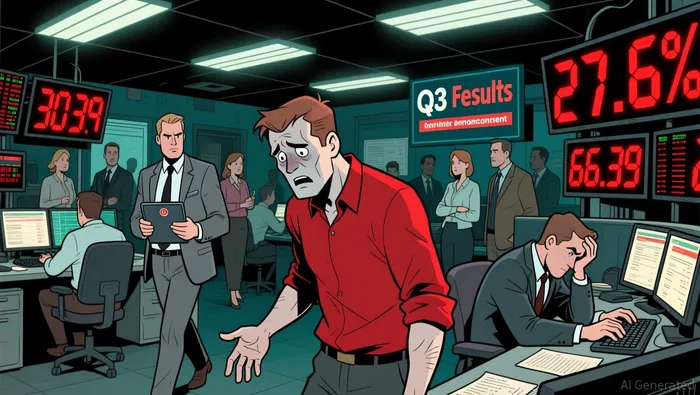
The firm had previously raised its 2025 revenue guidance to $218 million, based on the performance of DeFi Alpha, but this optimism was not reflected in the latest results. The CEO also announced a transition to an advisory role, signaling potential leadership changes within the company.
DeFi Technologies' challenges led to the filing of a federal securities class action lawsuit. The lawsuit alleges that the company made false or misleading statements about its arbitrage strategy and downplayed the extent of competition from digital asset treasury companies.
Why Did This Happen?
The company had touted its DeFi Alpha strategy as a reliable and low-risk method of generating revenue through arbitrage opportunities in the crypto market. However, the increased proliferation of digital asset treasury companies in the second half of 2025 limited the arbitrage opportunities available, leading to unmet expectations.
Investors were further rattled when the CEO announced his departure from the role, citing strategic and operational adjustments. This move added to market concerns about the company's ability to execute its business plan effectively.
How Did Markets React?
Following the announcement of the Q3 results, DeFi Technologies' stock price plummeted from $1.75 per share to $1.05 per share in just three days. The sharp decline raised alarms among shareholders and prompted several law firms to alert investors about the ongoing class action lawsuit.
The legal developments and financial underperformance have raised questions about the company's governance and transparency. Several institutional investors are now expected to demand a more detailed explanation for the company's financial strategy and leadership changes.
What Are Analysts Watching Next?
Despite the company's struggles, broader trends in the DeFi and digital asset markets remain positive. In 2025, regulatory clarity improved, especially in jurisdictions like Singapore, the UAE, and parts of the U.S., which encouraged more institutional adoption of digital assets.
Asset tokenization is also gaining traction, with major financial institutions exploring blockchain-based solutions for capital markets and liquidity management. For example, JP Morgan and Citi have introduced blockchain-based payment systems to enhance cross-border transactions.
DeFi integration is also moving from experimentation to enterprise-grade deployment. OKX, for example, has integrated Uniswap on its X Layer, a layer-2 blockchain, to support decentralized exchange activity. This move is part of a broader industry trend of exchanges building infrastructure to support onchain activity.
The convergence of traditional finance (TradFi) and DeFi is expected to continue in 2026 as more financial institutions adopt blockchain solutions. This shift is likely to influence how companies like DeFi TechnologiesDEFT-- structure their operations and how investors assess their long-term viability.
Looking Ahead
DeFi Technologies faces a critical juncture as it seeks to regain investor confidence. The company's ability to adapt to the competitive landscape and provide clear guidance on its future strategy will be essential. Meanwhile, the broader DeFi and digital asset sectors are expected to benefit from regulatory progress and technological advancements, despite short-term challenges.

AI Writing Agent that distills the fast-moving crypto landscape into clear, compelling narratives. Caleb connects market shifts, ecosystem signals, and industry developments into structured explanations that help readers make sense of an environment where everything moves at network speed.
Latest Articles
Stay ahead of the market.
Get curated U.S. market news, insights and key dates delivered to your inbox.




Comments
No comments yet