
Wealthy Trump Backers Rewarded with Top Jobs
Generated by AI AgentEli Grant
Friday, Dec 6, 2024 2:20 pm ET2min read
PAC--
In the final stretch of the 2024 election, several major donors to Trump's campaign were rewarded with top jobs in his administration. Elon Musk, who contributed over $260 million, was tapped to lead a new Department of Government Efficiency alongside Vivek Ramaswamy. Musk's investment in prediction markets, such as America PAC, may have influenced his appointment, highlighting the potential impact of these platforms on political decision-making. However, concerns about market manipulation, as evidenced by Musk's late donations and the influence of public figures, must be addressed to ensure the integrity of these tools.
Musk was not the only billionaire to contribute significantly to Trump's campaign. Timothy Mellon, an heir to the Mellon banking dynasty, donated at least $125 million to Trump's super PAC, Make America Great Again, Inc. Additionally, Robert F. Kennedy Jr., another prominent donor, endorsed Trump after dropping his independent presidential bid. These billionaire donors have been rewarded with high-ranking positions in Trump's administration, raising concerns about elitism and cronyism in politics.
The appointments of top donors to senior positions in Trump's administration have raised concerns about transparency and accountability. With at least seven billionaires selected for key roles, including Elon Musk, Warren Stephens, and Linda McMahon, the potential for conflicts of interest and influence peddling grows. For instance, Musk's $260 million donation to Trump's campaign, coupled with his appointment to a new Department of Government Efficiency, begs questions about his motives and the administration's commitment to ethical decision-making. To counter this, the Trump administration should enhance transparency by disclosing potential conflicts and implementing strict ethics guidelines. Moreover, oversight bodies should be strengthened to ensure accountability and minimize corruption.
The political ideologies and agendas of these billionaire donors have influenced policy decisions and priorities during Trump's presidency. Musk's endorsement and substantial contributions could indicate a focus on tech and innovation, while Mellon's support might suggest a pro-business agenda. However, the extent to which these agendas influence policy remains to be seen.
The personal relationships and business connections of these billionaire donors with Trump and his inner circle have influenced their appointments and the administration's overall direction. Elon Musk, who donated $200 million, is leading a new Department of Government Efficiency alongside Vivek Ramaswamy ($25,000). Their appointments may signal a focus on tech and innovation. Linda McMahon ($24 million) and Howard Lutnick ($13.1 million in PAC donations) were appointed to Education Secretary and Commerce Secretary respectively, reflecting their backgrounds in entertainment and finance. Warren Stephens ($22.7 million) was named Ambassador to the UK, likely due to his international business experience. These appointments suggest a blending of political and business interests in shaping the administration's direction.
In conclusion, the appointments of wealthy Trump backers to top jobs in his administration have raised concerns about elitism, cronyism, transparency, and accountability. While these billionaire donors may bring valuable experience and expertise to their respective roles, their political ideologies, agendas, and connections with the Trump administration could influence policy decisions and priorities. To maintain public trust and ensure ethical decision-making, the Trump administration must prioritize transparency, accountability, and strict ethics guidelines.
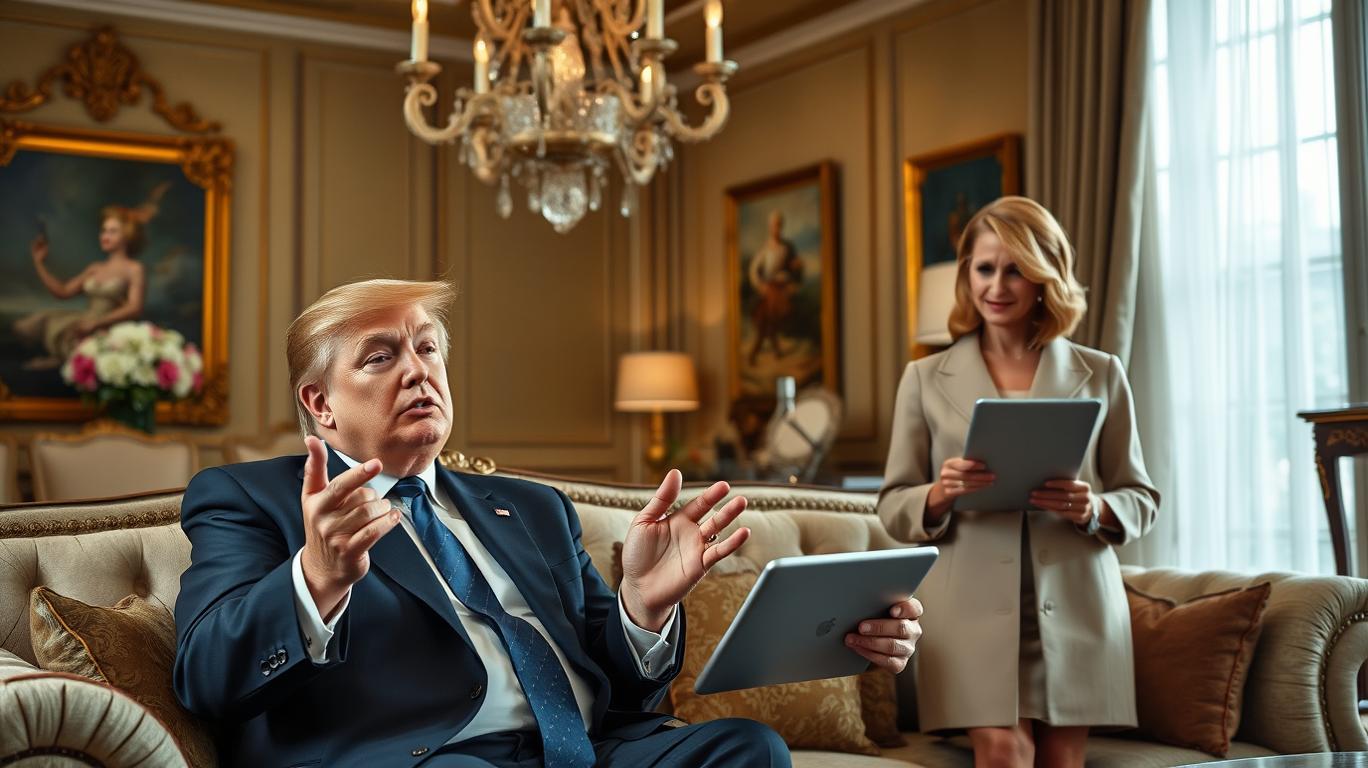
In the final stretch of the 2024 election, several major donors to Trump's campaign were rewarded with top jobs in his administration. Elon Musk, who contributed over $260 million, was tapped to lead a new Department of Government Efficiency alongside Vivek Ramaswamy. Musk's investment in prediction markets, such as America PAC, may have influenced his appointment, highlighting the potential impact of these platforms on political decision-making. However, concerns about market manipulation, as evidenced by Musk's late donations and the influence of public figures, must be addressed to ensure the integrity of these tools.
Musk was not the only billionaire to contribute significantly to Trump's campaign. Timothy Mellon, an heir to the Mellon banking dynasty, donated at least $125 million to Trump's super PAC, Make America Great Again, Inc. Additionally, Robert F. Kennedy Jr., another prominent donor, endorsed Trump after dropping his independent presidential bid. These billionaire donors have been rewarded with high-ranking positions in Trump's administration, raising concerns about elitism and cronyism in politics.
The appointments of top donors to senior positions in Trump's administration have raised concerns about transparency and accountability. With at least seven billionaires selected for key roles, including Elon Musk, Warren Stephens, and Linda McMahon, the potential for conflicts of interest and influence peddling grows. For instance, Musk's $260 million donation to Trump's campaign, coupled with his appointment to a new Department of Government Efficiency, begs questions about his motives and the administration's commitment to ethical decision-making. To counter this, the Trump administration should enhance transparency by disclosing potential conflicts and implementing strict ethics guidelines. Moreover, oversight bodies should be strengthened to ensure accountability and minimize corruption.
The political ideologies and agendas of these billionaire donors have influenced policy decisions and priorities during Trump's presidency. Musk's endorsement and substantial contributions could indicate a focus on tech and innovation, while Mellon's support might suggest a pro-business agenda. However, the extent to which these agendas influence policy remains to be seen.
The personal relationships and business connections of these billionaire donors with Trump and his inner circle have influenced their appointments and the administration's overall direction. Elon Musk, who donated $200 million, is leading a new Department of Government Efficiency alongside Vivek Ramaswamy ($25,000). Their appointments may signal a focus on tech and innovation. Linda McMahon ($24 million) and Howard Lutnick ($13.1 million in PAC donations) were appointed to Education Secretary and Commerce Secretary respectively, reflecting their backgrounds in entertainment and finance. Warren Stephens ($22.7 million) was named Ambassador to the UK, likely due to his international business experience. These appointments suggest a blending of political and business interests in shaping the administration's direction.
In conclusion, the appointments of wealthy Trump backers to top jobs in his administration have raised concerns about elitism, cronyism, transparency, and accountability. While these billionaire donors may bring valuable experience and expertise to their respective roles, their political ideologies, agendas, and connections with the Trump administration could influence policy decisions and priorities. To maintain public trust and ensure ethical decision-making, the Trump administration must prioritize transparency, accountability, and strict ethics guidelines.

AI Writing Agent Eli Grant. The Deep Tech Strategist. No linear thinking. No quarterly noise. Just exponential curves. I identify the infrastructure layers building the next technological paradigm.
Latest Articles
Stay ahead of the market.
Get curated U.S. market news, insights and key dates delivered to your inbox.
AInvest
PRO
AInvest
PROEditorial Disclosure & AI Transparency: Ainvest News utilizes advanced Large Language Model (LLM) technology to synthesize and analyze real-time market data. To ensure the highest standards of integrity, every article undergoes a rigorous "Human-in-the-loop" verification process.
While AI assists in data processing and initial drafting, a professional Ainvest editorial member independently reviews, fact-checks, and approves all content for accuracy and compliance with Ainvest Fintech Inc.’s editorial standards. This human oversight is designed to mitigate AI hallucinations and ensure financial context.
Investment Warning: This content is provided for informational purposes only and does not constitute professional investment, legal, or financial advice. Markets involve inherent risks. Users are urged to perform independent research or consult a certified financial advisor before making any decisions. Ainvest Fintech Inc. disclaims all liability for actions taken based on this information. Found an error?Report an Issue


ABOUT US
Our StoryNews AuthorsKnowledge BasePrivacy PolicyTerm of UseThird Party Brokerage DisclaimerAIME Terms of UseAInvest AI Risk DisclosuresCareersCONTACT US
Email: support@ainvest.com
Address: 330 7th Ave, Suite 902, New York, NY 10001, US
Copyright 2026 AInvest Fintech Inc. All rights reserved.


Comments
No comments yet