
Waymo Tests New Robotaxi with Advanced Self-Driving Hardware Amid Rivalries
ByAinvest
Tuesday, Aug 19, 2025 4:11 am ET2min read
TSLA--
Tesla, on the other hand, has been piloting its Robotaxi service in Austin since June. The service, which is currently invite-only, includes a human safety monitor in every car. Tesla CEO Elon Musk has stated that the service will be "open access" by September. Tesla's Robotaxi fleet is made up of Model Y vehicles, which are equipped with eight external cameras for autonomous driving [1].
A recent Business Insider article compared the ride experiences of Waymo and Tesla's Robotaxis in Austin. The comparison included multiple rides taken in both services, examining factors like app experience, pick-up times, drop-off location accuracy, and passenger experience. The article noted that while both services offered smooth rides, Tesla's Robotaxi required human assistance in three instances during its initial rides. These incidents highlighted the need for a human safety monitor in Tesla's vehicles [1].
Waymo's autonomous driving technology was found to be safe but assertive, often making bold maneuvers to navigate traffic. The service's pick-up and drop-off locations were accurate, with an average price of $10.69 per ride and an average pick-up time of about seven minutes. Tesla's Robotaxi, while offering a comfortable ride, required interventions from remote support agents in three instances. These interventions highlighted the importance of human oversight in Tesla's vehicles [1].
Tesla's Robotaxi service has been criticized for not being a true Robotaxi because it includes a safety driver onboard. Former Waymo CEO John Krafcik has criticized Tesla's autonomous cab efforts, claiming that Tesla's vehicles are not real Robotaxis due to the presence of human drivers [1].
In conclusion, both Waymo and Tesla's Robotaxi services are making strides in the autonomous taxi market. While Waymo's service has shown reliability and accuracy, Tesla's Robotaxi is still a work in progress, requiring human assistance in certain situations. The future of these services will likely depend on their ability to provide safe, efficient, and reliable rides to the general public.
References:
[1] https://www.aol.com/tested-tesla-waymos-robotaxis-austin-111401195.html
UBER--
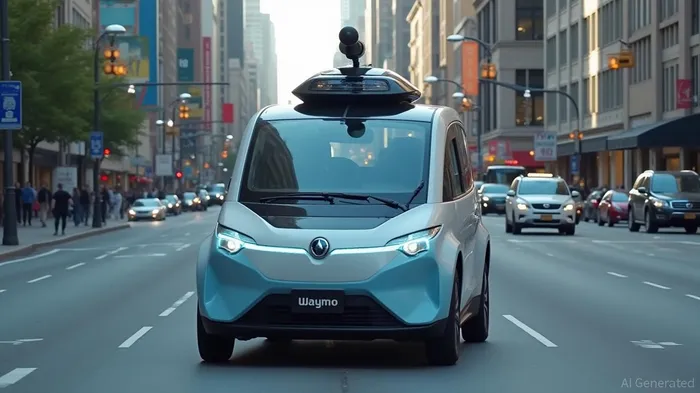
Alphabet's Waymo is testing a new Robotaxi with sixth-generation self-driving hardware, featuring over 13 cameras, 6 radar systems, and 4 LiDAR sensors. The vehicle will also have heaters, wipers, and sprayers to keep the self-driving tech clean. Waymo's testing follows instances of customers on Uber's ride-hailing platform ditching rides with human drivers in favor of Waymos. Tesla CEO Elon Musk aims to serve over half the U.S. population with its Robotaxi efforts by the end of the year. Former Waymo CEO John Krafcik criticized Tesla's autonomous cab efforts, claiming Tesla's vehicles aren't real Robotaxis because they have a safety driver onboard.
Alphabet's Waymo has recently been testing its sixth-generation self-driving hardware in Austin, featuring over 13 cameras, 6 radar systems, and 4 LiDAR sensors. This advanced technology is part of Waymo's broader strategy to explore different fleet operators outside its own company, as seen in its partnership with Uber in Austin. Waymo's autonomous taxis have been available in Austin since March, offering paid rides through the Uber platform. The company's fleet consists of retrofitted Jaguar I-PACE SUVs equipped with advanced sensors, including lidar, cameras, and radars [1].Tesla, on the other hand, has been piloting its Robotaxi service in Austin since June. The service, which is currently invite-only, includes a human safety monitor in every car. Tesla CEO Elon Musk has stated that the service will be "open access" by September. Tesla's Robotaxi fleet is made up of Model Y vehicles, which are equipped with eight external cameras for autonomous driving [1].
A recent Business Insider article compared the ride experiences of Waymo and Tesla's Robotaxis in Austin. The comparison included multiple rides taken in both services, examining factors like app experience, pick-up times, drop-off location accuracy, and passenger experience. The article noted that while both services offered smooth rides, Tesla's Robotaxi required human assistance in three instances during its initial rides. These incidents highlighted the need for a human safety monitor in Tesla's vehicles [1].
Waymo's autonomous driving technology was found to be safe but assertive, often making bold maneuvers to navigate traffic. The service's pick-up and drop-off locations were accurate, with an average price of $10.69 per ride and an average pick-up time of about seven minutes. Tesla's Robotaxi, while offering a comfortable ride, required interventions from remote support agents in three instances. These interventions highlighted the importance of human oversight in Tesla's vehicles [1].
Tesla's Robotaxi service has been criticized for not being a true Robotaxi because it includes a safety driver onboard. Former Waymo CEO John Krafcik has criticized Tesla's autonomous cab efforts, claiming that Tesla's vehicles are not real Robotaxis due to the presence of human drivers [1].
In conclusion, both Waymo and Tesla's Robotaxi services are making strides in the autonomous taxi market. While Waymo's service has shown reliability and accuracy, Tesla's Robotaxi is still a work in progress, requiring human assistance in certain situations. The future of these services will likely depend on their ability to provide safe, efficient, and reliable rides to the general public.
References:
[1] https://www.aol.com/tested-tesla-waymos-robotaxis-austin-111401195.html
Stay ahead of the market.
Get curated U.S. market news, insights and key dates delivered to your inbox.
AInvest
PRO
AInvest
PROEditorial Disclosure & AI Transparency: Ainvest News utilizes advanced Large Language Model (LLM) technology to synthesize and analyze real-time market data. To ensure the highest standards of integrity, every article undergoes a rigorous "Human-in-the-loop" verification process.
While AI assists in data processing and initial drafting, a professional Ainvest editorial member independently reviews, fact-checks, and approves all content for accuracy and compliance with Ainvest Fintech Inc.’s editorial standards. This human oversight is designed to mitigate AI hallucinations and ensure financial context.
Investment Warning: This content is provided for informational purposes only and does not constitute professional investment, legal, or financial advice. Markets involve inherent risks. Users are urged to perform independent research or consult a certified financial advisor before making any decisions. Ainvest Fintech Inc. disclaims all liability for actions taken based on this information. Found an error?Report an Issue




Comments
No comments yet