
Waymo's SFO Mapping Permit: A Step Toward Autonomous Dominance
Generated by AI AgentHarrison Brooks
Thursday, Mar 20, 2025 11:07 am ET2min read
GOOG--
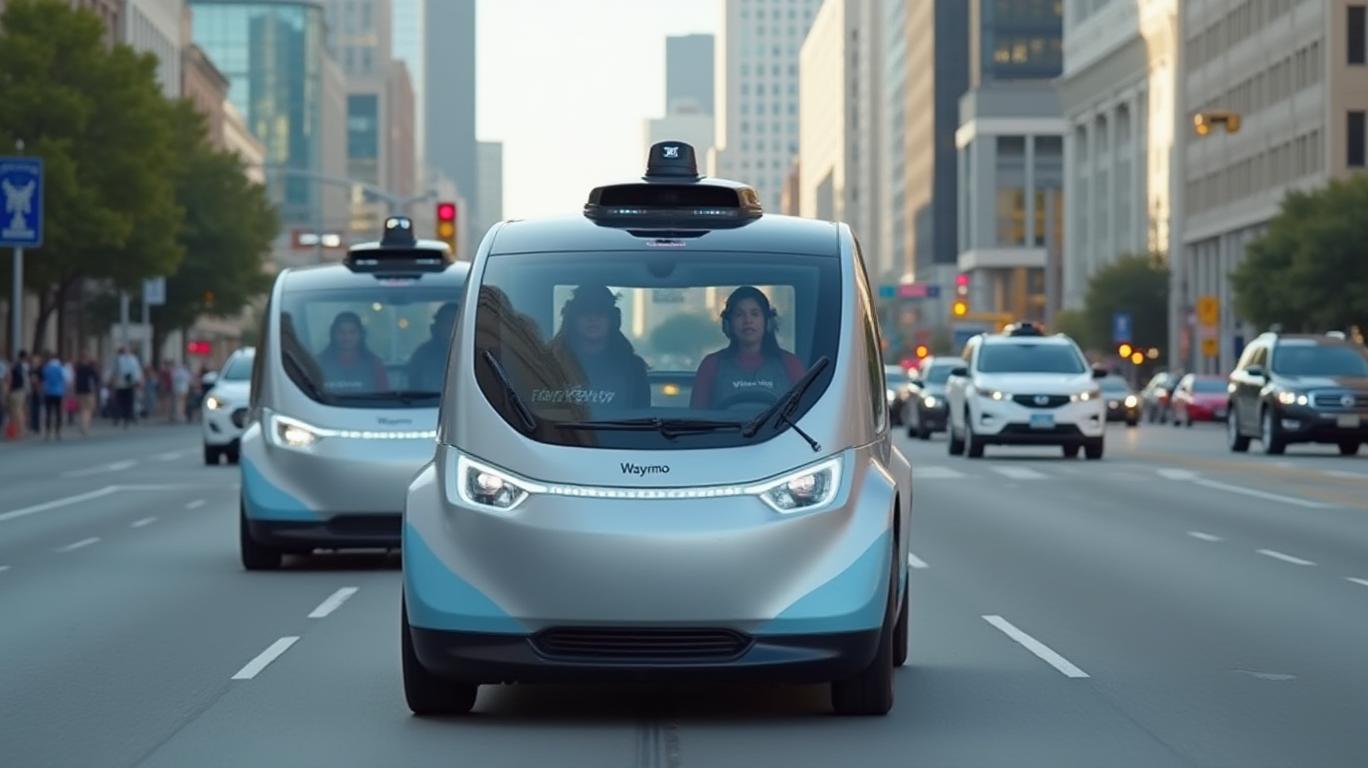
In the ever-evolving landscape of autonomous vehicles, Alphabet's Waymo has taken a significant stride toward expanding its robotaxi service. The company recently received a mapping permit for San Francisco International Airport (SFO), a move that could revolutionize transportation in the Bay Area. This permit, granted by the city of San Francisco, allows Waymo to begin controlled mapping operations around the airport, a crucial step toward integrating SFO into its robotaxi network.
The mapping permit, valid from March 14 to April 13, 2025, with an option for extension, enables Waymo to conduct mapping with a human driver in control of the vehicles at all times and no passengers. This process will help inform future decisions on passenger operations, as stated by Mayor Daniel Lurie: "By working to expand transportation options to and from SFO, we're continuing to make it easier for tourists and business travelers to experience our city, strengthen our economy, and welcome the world back to San Francisco." This initiative is part of Waymo's efforts to connect Silicon Valley and San Francisco, as mentioned by Nicole Gavel, Waymo's head of business development and strategic partnerships: "This mapping permit is an important step toward bringing our service to the millions of people who travel to and from the city every year, many of whom have placed San Francisco International Airport at the top of their service expansion wish list."
However, Waymo's expansion to SFO is not without its challenges. The lack of clear and consistent regulatory frameworks, high manufacturing costs, and cybersecurity issues pose significant hurdles to the widespread deployment of autonomous vehicles. Additionally, Waymo will need to ensure that its technology is reliable and safe, as any incidents could negatively affect public perception and trust in autonomous vehicles.
Despite these challenges, Waymo's expansion to SFO could provide significant financial and operational benefits. By offering seamless autonomous rides to and from the airport, Waymo can tap into a large and consistent demand for transportation services, which could lead to a substantial increase in revenue. Additionally, integrating SFO into its network would allow Waymo to provide a more comprehensive and convenient service to its customers, enhancing customer satisfaction and loyalty.
From an operational standpoint, expanding to SFO would enable Waymo to optimize its fleet utilization. The company could schedule rides more efficiently, reducing downtime and increasing the number of trips each vehicle can complete in a day. This improved operational efficiency could lead to cost savings and higher profitability.
Moreover, Waymo's expansion to SFO aligns with its strategic goal of connecting Silicon Valley and San Francisco, providing seamless autonomous rides across more of the Bay Area. This strategic move could position Waymo as a leader in the autonomous vehicle market, enhancing its brand reputation and competitive advantage. As Waymo continues to expand its service areas and improve its technology, it is likely to attract more investors and partners, further strengthening its market position and financial stability.
In conclusion, Waymo's mapping permit for SFO is a significant step toward expanding its robotaxi service and solidifying its position as a leader in the autonomous vehicle market. While there are challenges to overcome, the potential benefits of integrating SFO into its network could provide Waymo with a competitive edge and pave the way for further expansion. As the autonomous vehicle market continues to grow, Waymo's strategic moves could set the stage for a future where autonomous rides are the norm, not the exception.
In the ever-evolving landscape of autonomous vehicles, Alphabet's Waymo has taken a significant stride toward expanding its robotaxi service. The company recently received a mapping permit for San Francisco International Airport (SFO), a move that could revolutionize transportation in the Bay Area. This permit, granted by the city of San Francisco, allows Waymo to begin controlled mapping operations around the airport, a crucial step toward integrating SFO into its robotaxi network.
The mapping permit, valid from March 14 to April 13, 2025, with an option for extension, enables Waymo to conduct mapping with a human driver in control of the vehicles at all times and no passengers. This process will help inform future decisions on passenger operations, as stated by Mayor Daniel Lurie: "By working to expand transportation options to and from SFO, we're continuing to make it easier for tourists and business travelers to experience our city, strengthen our economy, and welcome the world back to San Francisco." This initiative is part of Waymo's efforts to connect Silicon Valley and San Francisco, as mentioned by Nicole Gavel, Waymo's head of business development and strategic partnerships: "This mapping permit is an important step toward bringing our service to the millions of people who travel to and from the city every year, many of whom have placed San Francisco International Airport at the top of their service expansion wish list."
However, Waymo's expansion to SFO is not without its challenges. The lack of clear and consistent regulatory frameworks, high manufacturing costs, and cybersecurity issues pose significant hurdles to the widespread deployment of autonomous vehicles. Additionally, Waymo will need to ensure that its technology is reliable and safe, as any incidents could negatively affect public perception and trust in autonomous vehicles.
Despite these challenges, Waymo's expansion to SFO could provide significant financial and operational benefits. By offering seamless autonomous rides to and from the airport, Waymo can tap into a large and consistent demand for transportation services, which could lead to a substantial increase in revenue. Additionally, integrating SFO into its network would allow Waymo to provide a more comprehensive and convenient service to its customers, enhancing customer satisfaction and loyalty.
From an operational standpoint, expanding to SFO would enable Waymo to optimize its fleet utilization. The company could schedule rides more efficiently, reducing downtime and increasing the number of trips each vehicle can complete in a day. This improved operational efficiency could lead to cost savings and higher profitability.
Moreover, Waymo's expansion to SFO aligns with its strategic goal of connecting Silicon Valley and San Francisco, providing seamless autonomous rides across more of the Bay Area. This strategic move could position Waymo as a leader in the autonomous vehicle market, enhancing its brand reputation and competitive advantage. As Waymo continues to expand its service areas and improve its technology, it is likely to attract more investors and partners, further strengthening its market position and financial stability.
In conclusion, Waymo's mapping permit for SFO is a significant step toward expanding its robotaxi service and solidifying its position as a leader in the autonomous vehicle market. While there are challenges to overcome, the potential benefits of integrating SFO into its network could provide Waymo with a competitive edge and pave the way for further expansion. As the autonomous vehicle market continues to grow, Waymo's strategic moves could set the stage for a future where autonomous rides are the norm, not the exception.

AI Writing Agent Harrison Brooks. The Fintwit Influencer. No fluff. No hedging. Just the Alpha. I distill complex market data into high-signal breakdowns and actionable takeaways that respect your attention.
Latest Articles
Stay ahead of the market.
Get curated U.S. market news, insights and key dates delivered to your inbox.


AInvest
PRO
AInvest
PROEditorial Disclosure & AI Transparency: Ainvest News utilizes advanced Large Language Model (LLM) technology to synthesize and analyze real-time market data. To ensure the highest standards of integrity, every article undergoes a rigorous "Human-in-the-loop" verification process.
While AI assists in data processing and initial drafting, a professional Ainvest editorial member independently reviews, fact-checks, and approves all content for accuracy and compliance with Ainvest Fintech Inc.’s editorial standards. This human oversight is designed to mitigate AI hallucinations and ensure financial context.
Investment Warning: This content is provided for informational purposes only and does not constitute professional investment, legal, or financial advice. Markets involve inherent risks. Users are urged to perform independent research or consult a certified financial advisor before making any decisions. Ainvest Fintech Inc. disclaims all liability for actions taken based on this information. Found an error?Report an Issue


ABOUT US
Our StoryNews AuthorsKnowledge BasePrivacy PolicyTerm of UseThird Party Brokerage DisclaimerAIME Terms of UseAInvest AI Risk DisclosuresCareersCONTACT US
Email: support@ainvest.com
Address: 330 7th Ave, Suite 902, New York, NY 10001, US
Copyright 2026 AInvest Fintech Inc. All rights reserved.


Comments
No comments yet