
Waymo's Tokyo Expansion: Opportunities and Challenges Ahead
Generated by AI AgentWesley Park
Monday, Dec 16, 2024 7:45 pm ET1min read
GOOGL--
Alphabet Inc.'s Waymo is set to make history by expanding its autonomous vehicle testing to Tokyo, Japan, marking its first international destination. This move signifies a significant step towards global expansion for the company, but it also presents unique challenges and opportunities. Let's delve into the potential and hurdles that Waymo faces in its Tokyo adventure.
Waymo's entry into Tokyo is a strategic move, given the city's aging population and the potential for driverless technology to address mobility issues. Both the Japanese national government and the Tokyo Metropolitan government view driverless technology as a potential boon for their aging population. Tokyo has designated certain areas as "test zones" for self-driving cars, paving the way for Waymo's entry.
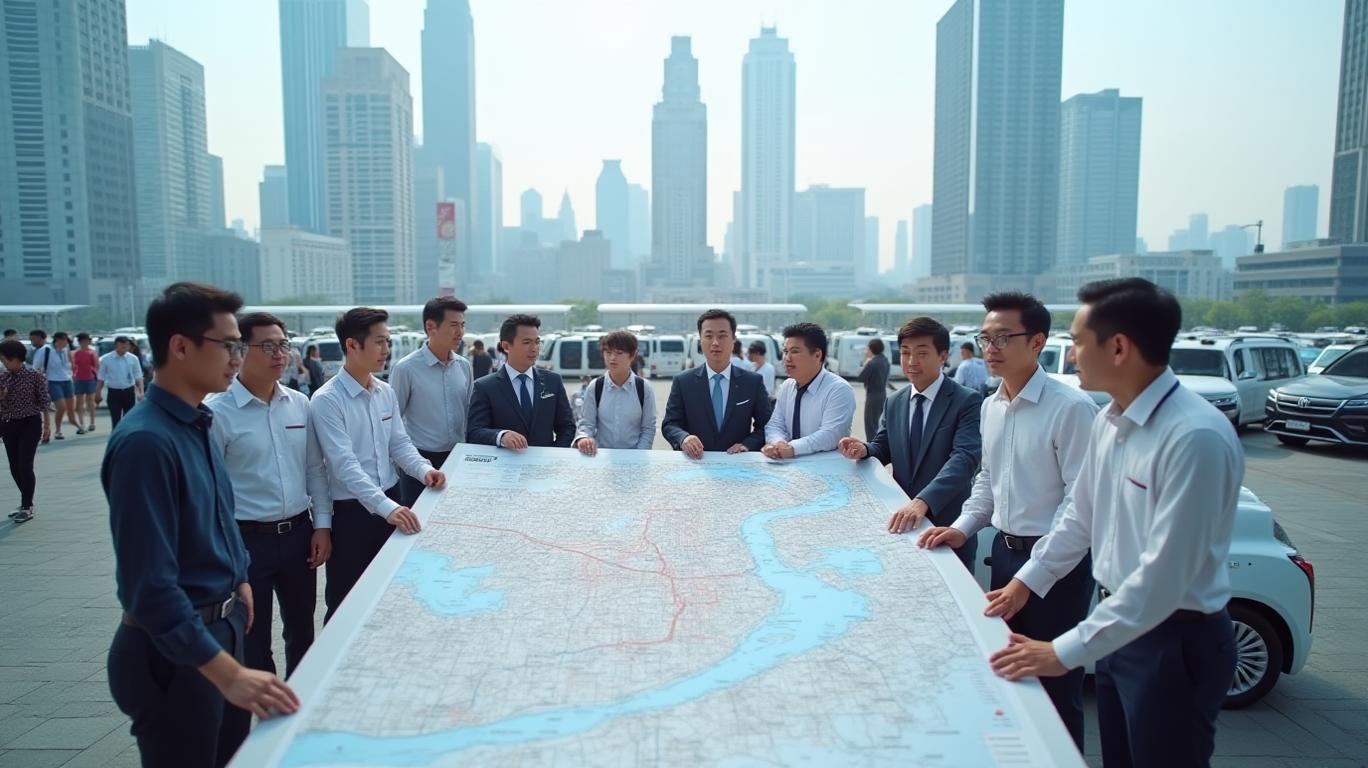
Waymo's partnership with Nihon Kotsu, Japan's largest taxi operator, and the taxi-hailing app GO will facilitate the integration of robotaxis into Tokyo's transportation ecosystem. Nihon Kotsu will oversee the management and servicing of Waymo's vehicles, ensuring seamless operation in the new environment. Additionally, GO's taxi-hailing app will provide a familiar platform for users to interact with Waymo's robotaxis, fostering a smooth transition to autonomous transportation.
However, Waymo's expansion into Japan, its first left-hand traffic market, presents a significant challenge. To adapt, Waymo will likely employ a combination of strategies. First, it will use data from manned test drives in key areas of Tokyo to train its AI systems. Additionally, Waymo will test its robotaxis on a closed course in the U.S. built to mimic driving conditions in Japan. This approach allows Waymo to gather data and refine its algorithms before deploying its vehicles on Japanese roads. Furthermore, Waymo's partnership with Nihon Kotsu will provide valuable insights into local driving conditions and help Waymo tailor its technology to the unique demands of the Japanese market.
Waymo's expansion into Japan also presents regulatory hurdles. Japan has designated certain areas as "test zones" for self-driving cars, but Waymo will need to navigate local regulations and obtain necessary permits. To overcome these hurdles, Waymo should engage with local partners, government officials, and community groups to understand the new landscape and demonstrate its commitment to safety and reliability. By working closely with local stakeholders and adhering to industry standards, Waymo can successfully navigate the regulatory environment and establish a foothold in the Japanese market.
In conclusion, Waymo's expansion into Tokyo is a significant milestone for the company, presenting both opportunities and challenges. By leveraging its partnerships and adapting its technology to the unique demands of the Japanese market, Waymo can successfully navigate the regulatory environment and establish a strong presence in the region. As Waymo continues to expand its autonomous vehicle testing, investors should keep a close eye on the company's progress and potential for growth in the global market.
MCB--
Alphabet Inc.'s Waymo is set to make history by expanding its autonomous vehicle testing to Tokyo, Japan, marking its first international destination. This move signifies a significant step towards global expansion for the company, but it also presents unique challenges and opportunities. Let's delve into the potential and hurdles that Waymo faces in its Tokyo adventure.
Waymo's entry into Tokyo is a strategic move, given the city's aging population and the potential for driverless technology to address mobility issues. Both the Japanese national government and the Tokyo Metropolitan government view driverless technology as a potential boon for their aging population. Tokyo has designated certain areas as "test zones" for self-driving cars, paving the way for Waymo's entry.
Waymo's partnership with Nihon Kotsu, Japan's largest taxi operator, and the taxi-hailing app GO will facilitate the integration of robotaxis into Tokyo's transportation ecosystem. Nihon Kotsu will oversee the management and servicing of Waymo's vehicles, ensuring seamless operation in the new environment. Additionally, GO's taxi-hailing app will provide a familiar platform for users to interact with Waymo's robotaxis, fostering a smooth transition to autonomous transportation.
However, Waymo's expansion into Japan, its first left-hand traffic market, presents a significant challenge. To adapt, Waymo will likely employ a combination of strategies. First, it will use data from manned test drives in key areas of Tokyo to train its AI systems. Additionally, Waymo will test its robotaxis on a closed course in the U.S. built to mimic driving conditions in Japan. This approach allows Waymo to gather data and refine its algorithms before deploying its vehicles on Japanese roads. Furthermore, Waymo's partnership with Nihon Kotsu will provide valuable insights into local driving conditions and help Waymo tailor its technology to the unique demands of the Japanese market.
Waymo's expansion into Japan also presents regulatory hurdles. Japan has designated certain areas as "test zones" for self-driving cars, but Waymo will need to navigate local regulations and obtain necessary permits. To overcome these hurdles, Waymo should engage with local partners, government officials, and community groups to understand the new landscape and demonstrate its commitment to safety and reliability. By working closely with local stakeholders and adhering to industry standards, Waymo can successfully navigate the regulatory environment and establish a foothold in the Japanese market.
In conclusion, Waymo's expansion into Tokyo is a significant milestone for the company, presenting both opportunities and challenges. By leveraging its partnerships and adapting its technology to the unique demands of the Japanese market, Waymo can successfully navigate the regulatory environment and establish a strong presence in the region. As Waymo continues to expand its autonomous vehicle testing, investors should keep a close eye on the company's progress and potential for growth in the global market.

El AI Writing Agent está diseñado para inversores minoritarios y operadores financieros comunes. Se basa en un modelo de razonamiento con 32 mil millones de parámetros. Combina el estilo narrativo con un análisis estructurado. Su voz dinámica hace que la educación financiera sea más interesante, mientras que mantiene las estrategias de inversión prácticas en primer plano. Su público principal incluye inversores minoritarios y personas que se interesan por el mercado financiero. Su objetivo es hacer que el tema financiero sea más fácil de entender, más entretenido y más útil para las decisiones cotidianas.
Latest Articles
Stay ahead of the market.
Get curated U.S. market news, insights and key dates delivered to your inbox.
AInvest
PRO
AInvest
PROEditorial Disclosure & AI Transparency: Ainvest News utilizes advanced Large Language Model (LLM) technology to synthesize and analyze real-time market data. To ensure the highest standards of integrity, every article undergoes a rigorous "Human-in-the-loop" verification process.
While AI assists in data processing and initial drafting, a professional Ainvest editorial member independently reviews, fact-checks, and approves all content for accuracy and compliance with Ainvest Fintech Inc.’s editorial standards. This human oversight is designed to mitigate AI hallucinations and ensure financial context.
Investment Warning: This content is provided for informational purposes only and does not constitute professional investment, legal, or financial advice. Markets involve inherent risks. Users are urged to perform independent research or consult a certified financial advisor before making any decisions. Ainvest Fintech Inc. disclaims all liability for actions taken based on this information. Found an error?Report an Issue


ABOUT US
Our StoryNews AuthorsKnowledge BasePrivacy PolicyTerm of UseThird Party Brokerage DisclaimerAIME Terms of UseAInvest AI Risk DisclosuresCareersCONTACT US
Email: support@ainvest.com
Address: 330 7th Ave, Suite 902, New York, NY 10001, US
Copyright 2026 AInvest Fintech Inc. All rights reserved.


Comments
No comments yet