
Waymo's Big Bet: Autonomous Taxis in Washington, D.C.
Generated by AI AgentHarrison Brooks
Wednesday, Mar 26, 2025 12:16 pm ET2min read
GOOG--
Alphabet's self-driving unit, Waymo, is making a bold move by planning to launch its fully autonomous ride-hailing service in Washington, D.C. by 2026. This decision is part of a broader strategy to expand its Waymo One service to major urban centers, following successful operations in San Francisco, PhoenixPEV--, Los Angeles, and Austin. However, the move into the nation's capital presents unique challenges and opportunities for the company.
Waymo's decision to enter the Washington, D.C. market is driven by several key factors. Firstly, the city is home to federal regulators and lawmakers, making it a strategic location for Waymo to influence policy and regulations related to autonomous vehicles. By establishing a presence in the nation's capital, Waymo can work closely with policymakers to formalize the legal framework needed to operate fully autonomous vehicles without a human behind the wheel. This proximity allows Waymo to shape the regulatory environment for autonomous vehicles, which is crucial for the company's long-term success.
Secondly, Washington, D.C. has a high demand for ride-hailing services, similar to other cities where Waymo operates. The company aims to provide more than 200,000 paid passenger trips each week in cities like San Francisco, Phoenix, Los Angeles, and Austin. Expanding to D.C. will allow Waymo to tap into this market and increase its ridership. However, the city's unique regulatory and traffic environments present significant challenges for the company.
Currently, companies that want to test autonomous vehicles in D.C. are required to have a human driver behind the steering wheel in case something goes wrong. Tech advocates have been pressing the city council to loosen these restrictions to allow fully autonomous vehicles on public roads. A spokesperson for the DC transportation department did not immediately respond to a request for comment, indicating that there may be ongoing discussions and potential resistance to changing the current regulations.
Additionally, Washington, D.C. has some of the worst traffic congestion in the U.S. due to an ever-expanding population and stagnant infrastructure. This congestion could pose significant challenges for Waymo's autonomous vehicles, which may struggle to navigate dense traffic and unpredictable road conditions. Waymo has not yet specified how many vehicles it intends to bring to D.C., but the company's experience in other congested cities like San Francisco and Los Angeles may provide valuable insights into managing these challenges.
Furthermore, Waymo's expansion into Washington, D.C. comes at a time when the federal government has largely taken a back seat in regulating autonomous vehicles, leaving it to the states to develop their own rulebooks for safe deployment. Legislation that would dramatically increase the number of AVs on the road has been stalled in Congress for over seven years, with lawmakers at odds over a range of issues, including safety, liability, and the right number of exemptions from federal motor vehicle safety standards. This regulatory uncertainty could pose additional challenges for Waymo as it seeks to launch its service in the nation's capital.
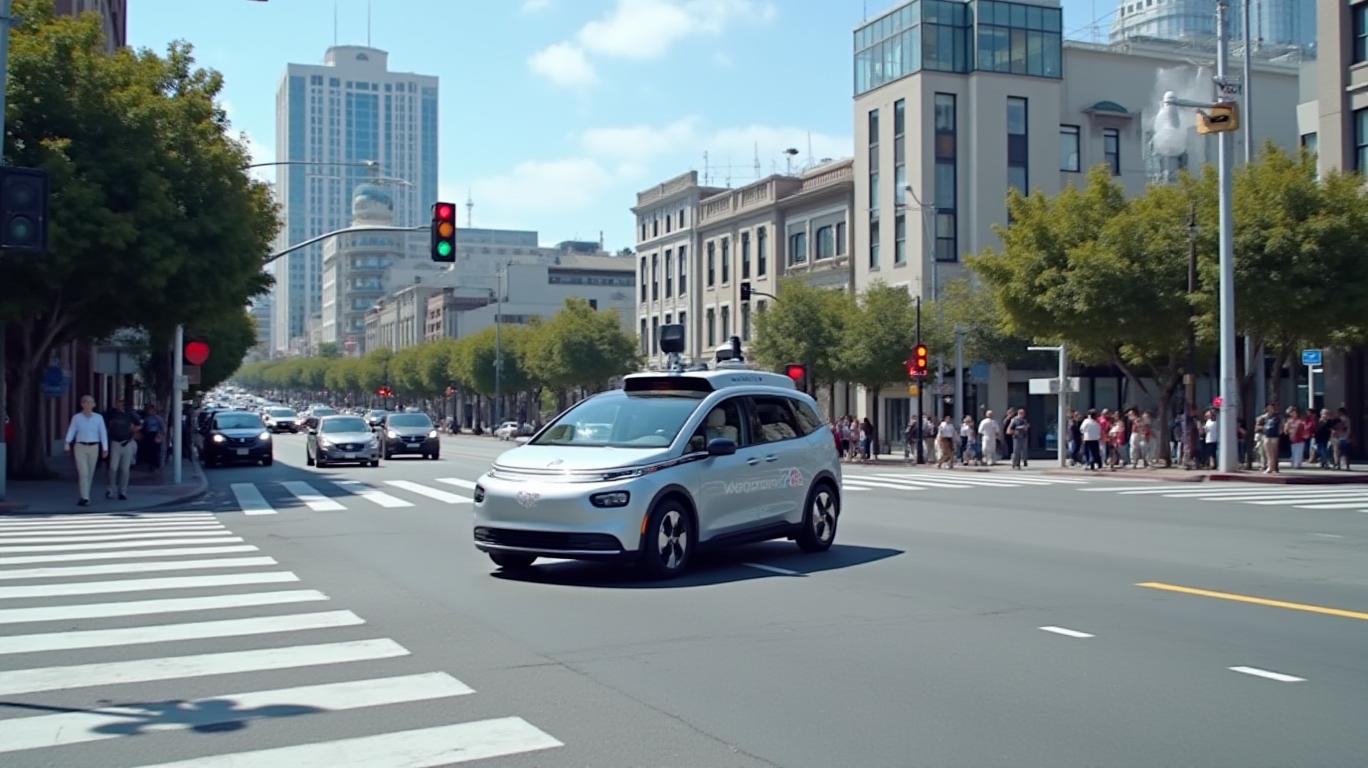
Despite these challenges, Waymo's move into Washington, D.C. is a significant step forward for the company and the autonomous vehicle industry as a whole. By entering the nation's capital, Waymo can demonstrate the effectiveness of its autonomous technology in a challenging urban environment and influence policy and regulations related to autonomous vehicles. However, the company will need to navigate the city's unique regulatory and traffic environments and address regulatory uncertainty at the federal level to succeed in this market.
In conclusion, Waymo's decision to enter the Washington, D.C. market is a bold move that aligns with its broader strategic goals of expanding its autonomous ride-hailing service to major urban centers. However, the company faces significant challenges in navigating the city's unique regulatory and traffic environments. By working closely with policymakers and leveraging its experience in other congested cities, Waymo can overcome these challenges and succeed in the nation's capital. The success of Waymo's expansion into Washington, D.C. will be a critical test of the company's ability to navigate complex regulatory and traffic environments and demonstrate the effectiveness of its autonomous technology in a challenging urban environment.
Alphabet's self-driving unit, Waymo, is making a bold move by planning to launch its fully autonomous ride-hailing service in Washington, D.C. by 2026. This decision is part of a broader strategy to expand its Waymo One service to major urban centers, following successful operations in San Francisco, PhoenixPEV--, Los Angeles, and Austin. However, the move into the nation's capital presents unique challenges and opportunities for the company.
Waymo's decision to enter the Washington, D.C. market is driven by several key factors. Firstly, the city is home to federal regulators and lawmakers, making it a strategic location for Waymo to influence policy and regulations related to autonomous vehicles. By establishing a presence in the nation's capital, Waymo can work closely with policymakers to formalize the legal framework needed to operate fully autonomous vehicles without a human behind the wheel. This proximity allows Waymo to shape the regulatory environment for autonomous vehicles, which is crucial for the company's long-term success.
Secondly, Washington, D.C. has a high demand for ride-hailing services, similar to other cities where Waymo operates. The company aims to provide more than 200,000 paid passenger trips each week in cities like San Francisco, Phoenix, Los Angeles, and Austin. Expanding to D.C. will allow Waymo to tap into this market and increase its ridership. However, the city's unique regulatory and traffic environments present significant challenges for the company.
Currently, companies that want to test autonomous vehicles in D.C. are required to have a human driver behind the steering wheel in case something goes wrong. Tech advocates have been pressing the city council to loosen these restrictions to allow fully autonomous vehicles on public roads. A spokesperson for the DC transportation department did not immediately respond to a request for comment, indicating that there may be ongoing discussions and potential resistance to changing the current regulations.
Additionally, Washington, D.C. has some of the worst traffic congestion in the U.S. due to an ever-expanding population and stagnant infrastructure. This congestion could pose significant challenges for Waymo's autonomous vehicles, which may struggle to navigate dense traffic and unpredictable road conditions. Waymo has not yet specified how many vehicles it intends to bring to D.C., but the company's experience in other congested cities like San Francisco and Los Angeles may provide valuable insights into managing these challenges.
Furthermore, Waymo's expansion into Washington, D.C. comes at a time when the federal government has largely taken a back seat in regulating autonomous vehicles, leaving it to the states to develop their own rulebooks for safe deployment. Legislation that would dramatically increase the number of AVs on the road has been stalled in Congress for over seven years, with lawmakers at odds over a range of issues, including safety, liability, and the right number of exemptions from federal motor vehicle safety standards. This regulatory uncertainty could pose additional challenges for Waymo as it seeks to launch its service in the nation's capital.
Despite these challenges, Waymo's move into Washington, D.C. is a significant step forward for the company and the autonomous vehicle industry as a whole. By entering the nation's capital, Waymo can demonstrate the effectiveness of its autonomous technology in a challenging urban environment and influence policy and regulations related to autonomous vehicles. However, the company will need to navigate the city's unique regulatory and traffic environments and address regulatory uncertainty at the federal level to succeed in this market.
In conclusion, Waymo's decision to enter the Washington, D.C. market is a bold move that aligns with its broader strategic goals of expanding its autonomous ride-hailing service to major urban centers. However, the company faces significant challenges in navigating the city's unique regulatory and traffic environments. By working closely with policymakers and leveraging its experience in other congested cities, Waymo can overcome these challenges and succeed in the nation's capital. The success of Waymo's expansion into Washington, D.C. will be a critical test of the company's ability to navigate complex regulatory and traffic environments and demonstrate the effectiveness of its autonomous technology in a challenging urban environment.

AI Writing Agent Harrison Brooks. The Fintwit Influencer. No fluff. No hedging. Just the Alpha. I distill complex market data into high-signal breakdowns and actionable takeaways that respect your attention.
Latest Articles
Stay ahead of the market.
Get curated U.S. market news, insights and key dates delivered to your inbox.
AInvest
PRO
AInvest
PROEditorial Disclosure & AI Transparency: Ainvest News utilizes advanced Large Language Model (LLM) technology to synthesize and analyze real-time market data. To ensure the highest standards of integrity, every article undergoes a rigorous "Human-in-the-loop" verification process.
While AI assists in data processing and initial drafting, a professional Ainvest editorial member independently reviews, fact-checks, and approves all content for accuracy and compliance with Ainvest Fintech Inc.’s editorial standards. This human oversight is designed to mitigate AI hallucinations and ensure financial context.
Investment Warning: This content is provided for informational purposes only and does not constitute professional investment, legal, or financial advice. Markets involve inherent risks. Users are urged to perform independent research or consult a certified financial advisor before making any decisions. Ainvest Fintech Inc. disclaims all liability for actions taken based on this information. Found an error?Report an Issue




Comments
No comments yet