
Waterbury Water Main Break: Infrastructure Risks and Economic Implications


 Aime Summary
A major water main break in Waterbury, Connecticut, on December 13, 2025, has left much of the city and surrounding towns without water service. The incident highlights the fragility of aging infrastructure and its cascading impact on daily life and business. For investors and policymakers, the event serves as a reminder of the growing infrastructure risks across the U.S., particularly in older industrial cities like Waterbury. . The break created a sudden loss of water pressure and prompted a citywide boil water advisory. With schools closed and restaurants shut down, the disruption is more than a local inconvenience—it’s a microcosm of the challenges facing American infrastructure according to local reports.
The scale of the problem: What's going on in Waterbury?
The rupture occurred on Thomaston Avenue, a major thoroughfare, late Friday night. The 42-inch water main 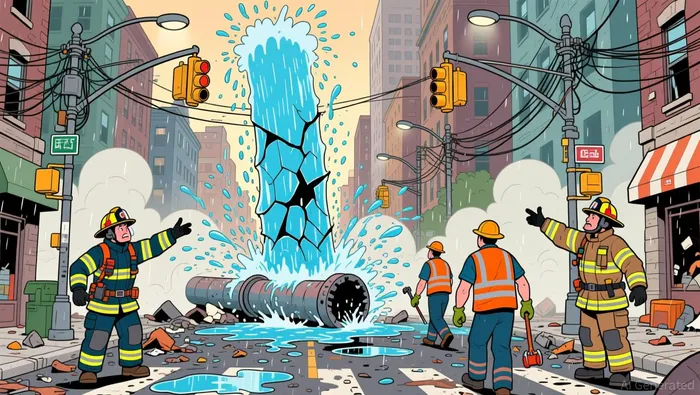 , installed over a century ago. This failure was compounded by the fact that a second high-pressure line—normally used as a backup—was already under repair at the time. The result was a complete loss of water service for tens of thousands of residents in Waterbury, Wolcott, and Watertown according to local news. The city's water system, once built to support a thriving industrial base, now shows its age. Some parts of the system are .
The impact was immediate and severe. Fire hydrants became nonfunctional, and water pressure was low enough that even when water returned, it needed to be boiled before use. The city has launched an aggressive effort to distribute bottled water and has enlisted the help of the Connecticut National Guard to assist with logistics according to local officials.
How the city and state are responding
Waterbury Mayor , Jr. and Water Superintendent Brad Malay are coordinating emergency repairs. The city plans to distribute bottled water beginning on Sunday at two locations: Municipal Stadium and Crosby High School according to city officials. State officials, including Governor , have labeled the incident a "serious infrastructure issue" and are prioritizing water restoration according to state sources.
. However, the timing of the rupture—when a second high-pressure line was already out of commission—limited the city's ability to provide backup water service according to city officials. Officials estimate that repairs could take several days, .
What this means for local businesses and residents
The water main break has hit local businesses hard. Restaurants and schools are shut down, and some stores are operating at reduced capacity. For example, Hindsight Barbecue and Sky Top Nails have reported lost sales and canceled appointments due to traffic and parking issues caused by the emergency response.
Waterbury Fire Chief Javier Lopez confirmed that emergency tankers are being used to supply water to hospitals and nursing homes, including Waterbury Hospital, which had limited reserves of potable water. The National Guard and other local agencies are also working to ensure that vulnerable populations, such as senior centers and hospitals, receive enough water to maintain basic operations.
Broader implications for infrastructure and investment
While the immediate focus is on restoring water to Waterbury, the incident raises broader questions about infrastructure resilience in aging urban centers. Waterbury's water system is not unique—many cities across the U.S. are dealing with outdated infrastructure that is increasingly prone to failures. For investors, this means looking beyond short-term disruptions and considering long-term risks related to municipal infrastructure and emergency response costs.
The cost of maintaining and upgrading infrastructure is significant. . With climate change increasing the frequency of extreme weather events and the average age of U.S. water systems continuing to rise, the financial and operational risks for cities will only grow. For investors interested in infrastructure, utilities, or public works, this incident is a clear signal of the challenges—and opportunities—that lie ahead.

Delivering real-time insights and analysis on emerging financial trends and market movements.
Latest Articles
Stay ahead of the market.
Get curated U.S. market news, insights and key dates delivered to your inbox.






Comments
No comments yet