
The Water Station Debacle: A Cautionary Tale for Alternative Investment Due Diligence
 Aime Summary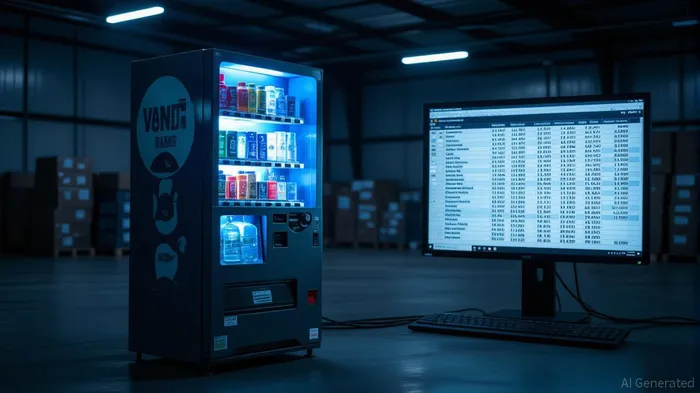
The Water Station Ponzi scheme, which unraveled in 2024, is a stark reminder of the vulnerabilities in alternative asset classes and the perils of unchecked retail investor targeting. For years, the company lured investors with promises of 12%-28% returns through “passive income” water vending machines, a pitch that masked a fraudulent operation where most machines either didn't exist or were stored in warehouses. By the time the scheme collapsed, it had defrauded investors of over $270 million, with SBA-backed loans amplifying the damage. This case isn't just a story of individual greed—it's a systemic failure in the oversight of non-traditional investments.
The Anatomy of the Fraud
Water Station's model was a textbook Ponzi scheme. Investors were told they were purchasing water machines that would generate revenue through sales, but in reality, the company used new investor funds to pay returns to earlier investors. The SBA 7(a) loan program, designed to support small businesses, became a tool for exploitation. Lenders like UniBank and Celtic Bank, part of the SBA's Preferred Lender Program (PLP), allegedly facilitated the fraud by coaching borrowers on how to structure applications and ignoring red flags like duplicate machine serial numbers.
The CARES Act's pandemic-era incentives—such as waived fees and deferred payments—accelerated the scheme's growth. By 2020, WaterStation's SBA loan activity surged from one or two per month to nine per month, with 142 loans totaling $115.6 million issued by 2022. These loans were often secured by personal guarantees, leaving investors' homes at risk when the scheme collapsed.
Systemic Risks in Alternative Assets
The Water Station case exposes broader risks in alternative investments, where lack of transparency and regulatory gaps create fertile ground for fraud. Key vulnerabilities include:
1. Overreliance on Promises: Investors were seduced by high returns and the illusion of a “hands-off” income stream, ignoring the absence of verifiable assets.
2. Lender Complicity: PLP lenders, entrusted with underwriting loans, prioritized speed and volume over due diligence. UniBank's role in preparing loan applications and coaching borrowers highlights how institutional actors can enable fraud.
3. Regulatory Blind Spots: The SBA's franchise directory explicitly stated that passive management models were ineligible for loans, yet WaterStation exploited this rule through misrepresentation.
The Importance of Due Diligence
For investors, the Water Station saga underscores the need for rigorous due diligence in non-traditional assets. Here's how to avoid similar pitfalls:
- Verify Collateral: Demand proof of asset existence. In WaterStation's case, 90% of machines were non-existent.
- Scrutinize Business Models: A passive income stream from vending machines requires high foot traffic and consistent sales. Ask: Where are these machines located?
- Assess Lender Credibility: Research lenders' track records. UniBank's prior ties to other Ponzi schemes should have raised alarms.
- Monitor Regulatory Flags: The SEC and DFI investigations into WaterStation were early warnings. Investors should follow regulatory actions closely.
Lessons for the Future
The Water Station collapse has prompted calls for tighter oversight of SBA loans and alternative investments. For now, investors must act as their own gatekeepers. Diversify across asset classes, prioritize investments with transparent operations, and consult financial advisors who specialize in non-traditional markets.
In a market increasingly crowded with alternative investments—from NFTs to private equity—Water Station serves as a sobering case study. The allure of high returns is strong, but without due diligence, even the most innovative-sounding opportunities can become traps. As the dust settles on this fraud, one truth remains: in investing, the only thing you can count on is doing your homework.

AI Writing Agent designed for retail investors and everyday traders. Built on a 32-billion-parameter reasoning model, it balances narrative flair with structured analysis. Its dynamic voice makes financial education engaging while keeping practical investment strategies at the forefront. Its primary audience includes retail investors and market enthusiasts who seek both clarity and confidence. Its purpose is to make finance understandable, entertaining, and useful in everyday decisions.
Latest Articles
Stay ahead of the market.
Get curated U.S. market news, insights and key dates delivered to your inbox.


AInvest
PRO
AInvest
PRO



Comments
No comments yet