
Water Infrastructure Resilience in Urban Areas Post-Outage: Navigating Utility Stocks and Infrastructure Funds
The 2021 Texas winter storm, which left millions without water for days, and recurring droughts in the American West have underscored a stark reality: aging water infrastructure is increasingly vulnerable to climate extremes and system failures. Municipalities are now racing to modernize their networks, creating a once-in-a-generation opportunity for investors to capitalize on undervalued utilities and infrastructure funds. Here's how to position your portfolio for this shift.
The Imperative for Water Infrastructure Upgrades
Post-disruption spending on water systems is surging. Federal programs like the Drinking Water State Revolving Fund (DWSRF) and the Water Infrastructure Finance & Innovation Act (WIFIA) have expanded their lending capacity, while states like Texas approved a $20 billion water fund in 2024 to address aging pipelines, lead contamination, and drought resilience. 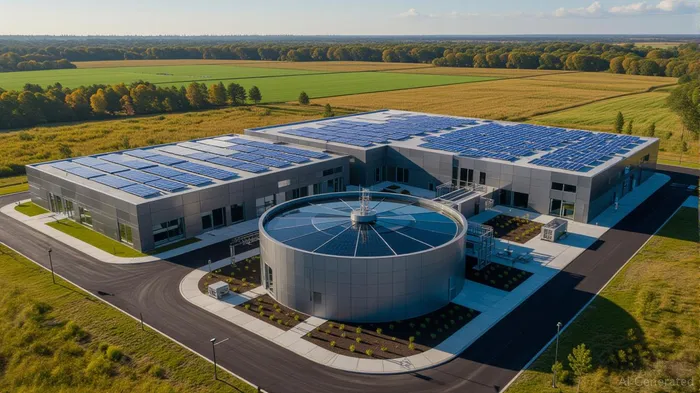
Key drivers of spending include:
1. Lead Pipe Replacement: Over 9 million lead service lines remain in the U.S., requiring $625 billion in replacements.
2. Climate Resilience: Flood defenses, smart sensors, and green infrastructure are critical to adapting to extreme weather.
3. Affordability Crises: Utilities are hiking rates (4-5% annually) to fund repairs, but this also creates pressure to secure private investment.
Utilities Positioned to Benefit
Focus on utilities with strong balance sheets and exposure to federal/state funding. Two names stand out:
American Water Works (AWK)
The nation's largest publicly traded water utility, AWKAWK-- operates in 16 states, including Texas and California—regions with urgent infrastructure needs. Its 2024 capex plan includes $1.8 billion for pipeline upgrades and smart grid technologies.
Why buy? AWK's 2.5% dividend yield is stable, and its vertically integrated model (from treatment to distribution) reduces execution risk.
Aqua America (WTR)
Aqua serves 3 million customers in growth markets like Pennsylvania and Ohio. It secured $250 million in WIFIA loans in 2023 for lead pipe replacements and stormwater projects.
Risk/reward: Aqua's 2.2% dividend and 8% annual revenue growth make it a steady play on regulated utility demand.
Infrastructure Funds: Scaling Up Exposure
For diversification, consider infrastructure funds that target water projects:
Global X Water ETF (CGW)
This ETF holds utilities (e.g., Xylem Inc., a leader in smart water systems) and infrastructure firms. It offers exposure to companies like Veolia Environnement, which manages water treatment plants in drought-prone regions.
Why now? CGW's 12% YTD return in 使 2025 reflects rising demand for water tech solutions.
Infrapny Capital MLP ETF (AMJ)
While primarily focused on energy infrastructure, AMJ includes companies like Energy Transfer (ET), which partners with municipalities on pipeline and water distribution projects.
Risks and Mitigation Strategies
- Funding Gaps Post-2026: Federal programs like the IIJA expire in 2026. Mitigation: Invest in utilities with robust state-level partnerships (e.g., Texas' $20B fund).
- Regulatory Uncertainty: Trump-era rollbacks of environmental rules could delay projects. Mitigation: Prioritize firms with private funding streams or international operations (e.g., Suez Environment).
- Affordability Backlash: Rate hikes may spark political pushback. Mitigation: Look for utilities with low debt and flexible pricing models.
Investment Thesis and Timing
The next 12–18 months are pivotal. Municipalities will accelerate spending to meet regulatory deadlines (e.g., lead pipe removal mandates) and avoid another Texas-style crisis. Utilities and ETFs with exposure to:
- Smart technology (leak detection, digital twins),
- Public-private partnerships, and
- Climate-resilient projects
will outperform.
Entry Points:
- Buy AWK at dips below $55/share (52-week low: $50).
- Allocate 5-10% of a portfolio to CGW for thematic exposure.
Conclusion
Water infrastructure resilience is not a fad—it's a necessity. Utilities and funds that bridge the $434 billion investment gap by 2029 will generate steady returns. While risks like regulatory shifts linger, the long-term demand for safe, reliable water systems ensures this sector will remain a cornerstone of infrastructure investing.
For conservative investors, utilities like Aqua America offer stability. For those willing to take on more risk, infrastructure funds like CGW provide leveraged exposure to innovation. Either way, the time to act is now—before the next disruption strikes.

Delivering real-time insights and analysis on emerging financial trends and market movements.
Latest Articles
Stay ahead of the market.
Get curated U.S. market news, insights and key dates delivered to your inbox.


AInvest
PRO
AInvest
PRO



Comments
No comments yet