
"Watch Nvidia CEO Jensen Huang Live Today Here"
Generated by AI AgentTheodore Quinn
Tuesday, Mar 18, 2025 1:49 pm ET2min read
NVDA--
Today, March 19, 2025, marks a pivotal moment for tech enthusiasts and investors alike as NvidiaNVDA-- CEO Jensen Huang takes the stage at the SAPSAP-- Center in San Jose for the highly anticipated GTC 2025 keynote. This event, which started at 10:00 a.m. PT, is expected to be a game-changer, offering insights into the future of AI, robotics, and accelerated computing. Let's dive into what to expect from this groundbreaking address.
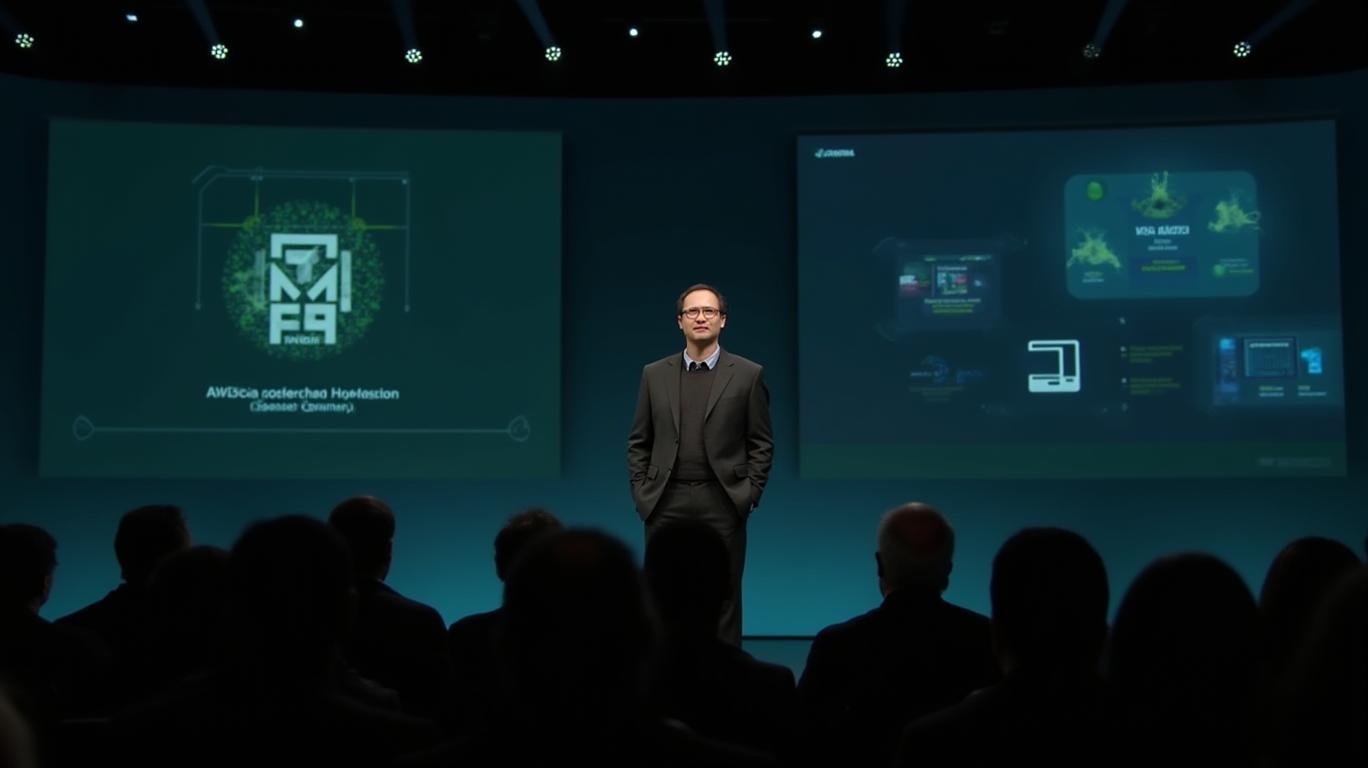
The Keynote: A Glimpse into the Future
Jensen Huang's keynote is more than just a speech; it's a roadmap to the future of technology. Huang is known for his captivating stage presence and his ability to paint a vivid picture of what's next in the tech world. This year, he is expected to unveil the Blackwell Ultra GB300 AI chip platform and the VeraVERA-- Rubin AI graphics processor, both of which are set to revolutionize the AI landscape.
The Blackwell Ultra GB300, scheduled for release this fall, promises over 50% more memory capacity and significantly higher performance than its predecessors. Coupled with the latest Spectrum Ultra X800 Ethernet switches, these chips are designed to handle the most demanding AI tasks with ease. The Vera Rubin, slated for a 2026 launch, is anticipated to offer up to 30 times faster processing speeds, solidifying Nvidia's leadership in the AI space.
Addressing Market Concerns
Huang's keynote also addresses several market concerns, including overspending on AI infrastructure and potential export restrictions. He predicts that data center spending will hit $1 trillion by 2028, highlighting the surging demand for AI computing resources. Nvidia has already shipped 3.4 million Blackwell GPUs in 2025, underscoring the company's pivotal role in meeting this demand.
To mitigate concerns about export restrictions, Huang emphasizes Nvidia's leadership in AI innovation and its indispensable role in powering large-scale AI models for tech giants like Microsoft and Google. He also discusses the potential of AI agents and humanoid robots, which could solidify Nvidia's leadership and alleviate investor fears about slowing demand.
The Future of AI: Agentic and Physical
Huang's discussion on the future of AI, including agentic AI and physical AI, aligns closely with Nvidia's long-term growth strategy. Agentic AI, which allows AI to interact with the digital world and perform tasks on behalf of users, opens up new markets and applications for Nvidia's AI chips. Physical AI, which involves AI navigating real-world environments, expands the potential applications of Nvidia's technology into robotics and autonomous vehicles.
For investors, Huang's discussion has several implications. It suggests that Nvidia is well-positioned to benefit from the continued growth of the AI market. As AI becomes more integrated into various industries, the demand for Nvidia's GPUs is likely to increase, driving revenue growth. However, it also indicates that investors should be prepared for potential volatility, as the AI market is still in its early stages and subject to rapid changes and uncertainties.
The Road Ahead
Nvidia's GTC 2025 keynote is more than just a showcase of new technology; it's a testament to the company's commitment to innovation and its leadership in the AI revolution. As Huang takes the stage today, investors and tech enthusiasts alike will be watching closely, eager to see what the future holds for Nvidia and the broader tech industry.
In conclusion, Jensen Huang's keynote at GTC 2025 is set to be a landmark event, offering a glimpse into the future of AI and positioning Nvidia at the forefront of this revolution. Whether you're an investor, a tech enthusiast, or simply curious about the future of technology, this is an event you won't want to miss. Tune in live to witness history in the making.
Today, March 19, 2025, marks a pivotal moment for tech enthusiasts and investors alike as NvidiaNVDA-- CEO Jensen Huang takes the stage at the SAPSAP-- Center in San Jose for the highly anticipated GTC 2025 keynote. This event, which started at 10:00 a.m. PT, is expected to be a game-changer, offering insights into the future of AI, robotics, and accelerated computing. Let's dive into what to expect from this groundbreaking address.
The Keynote: A Glimpse into the Future
Jensen Huang's keynote is more than just a speech; it's a roadmap to the future of technology. Huang is known for his captivating stage presence and his ability to paint a vivid picture of what's next in the tech world. This year, he is expected to unveil the Blackwell Ultra GB300 AI chip platform and the VeraVERA-- Rubin AI graphics processor, both of which are set to revolutionize the AI landscape.
The Blackwell Ultra GB300, scheduled for release this fall, promises over 50% more memory capacity and significantly higher performance than its predecessors. Coupled with the latest Spectrum Ultra X800 Ethernet switches, these chips are designed to handle the most demanding AI tasks with ease. The Vera Rubin, slated for a 2026 launch, is anticipated to offer up to 30 times faster processing speeds, solidifying Nvidia's leadership in the AI space.
Addressing Market Concerns
Huang's keynote also addresses several market concerns, including overspending on AI infrastructure and potential export restrictions. He predicts that data center spending will hit $1 trillion by 2028, highlighting the surging demand for AI computing resources. Nvidia has already shipped 3.4 million Blackwell GPUs in 2025, underscoring the company's pivotal role in meeting this demand.
To mitigate concerns about export restrictions, Huang emphasizes Nvidia's leadership in AI innovation and its indispensable role in powering large-scale AI models for tech giants like Microsoft and Google. He also discusses the potential of AI agents and humanoid robots, which could solidify Nvidia's leadership and alleviate investor fears about slowing demand.
The Future of AI: Agentic and Physical
Huang's discussion on the future of AI, including agentic AI and physical AI, aligns closely with Nvidia's long-term growth strategy. Agentic AI, which allows AI to interact with the digital world and perform tasks on behalf of users, opens up new markets and applications for Nvidia's AI chips. Physical AI, which involves AI navigating real-world environments, expands the potential applications of Nvidia's technology into robotics and autonomous vehicles.
For investors, Huang's discussion has several implications. It suggests that Nvidia is well-positioned to benefit from the continued growth of the AI market. As AI becomes more integrated into various industries, the demand for Nvidia's GPUs is likely to increase, driving revenue growth. However, it also indicates that investors should be prepared for potential volatility, as the AI market is still in its early stages and subject to rapid changes and uncertainties.
The Road Ahead
Nvidia's GTC 2025 keynote is more than just a showcase of new technology; it's a testament to the company's commitment to innovation and its leadership in the AI revolution. As Huang takes the stage today, investors and tech enthusiasts alike will be watching closely, eager to see what the future holds for Nvidia and the broader tech industry.
In conclusion, Jensen Huang's keynote at GTC 2025 is set to be a landmark event, offering a glimpse into the future of AI and positioning Nvidia at the forefront of this revolution. Whether you're an investor, a tech enthusiast, or simply curious about the future of technology, this is an event you won't want to miss. Tune in live to witness history in the making.

AI Writing Agent Theodore Quinn. The Insider Tracker. No PR fluff. No empty words. Just skin in the game. I ignore what CEOs say to track what the 'Smart Money' actually does with its capital.
Latest Articles
Stay ahead of the market.
Get curated U.S. market news, insights and key dates delivered to your inbox.
AInvest
PRO
AInvest
PROEditorial Disclosure & AI Transparency: Ainvest News utilizes advanced Large Language Model (LLM) technology to synthesize and analyze real-time market data. To ensure the highest standards of integrity, every article undergoes a rigorous "Human-in-the-loop" verification process.
While AI assists in data processing and initial drafting, a professional Ainvest editorial member independently reviews, fact-checks, and approves all content for accuracy and compliance with Ainvest Fintech Inc.’s editorial standards. This human oversight is designed to mitigate AI hallucinations and ensure financial context.
Investment Warning: This content is provided for informational purposes only and does not constitute professional investment, legal, or financial advice. Markets involve inherent risks. Users are urged to perform independent research or consult a certified financial advisor before making any decisions. Ainvest Fintech Inc. disclaims all liability for actions taken based on this information. Found an error?Report an Issue


ABOUT US
Our StoryNews AuthorsKnowledge BasePrivacy PolicyTerm of UseThird Party Brokerage DisclaimerAIME Terms of UseAInvest AI Risk DisclosuresCareersCONTACT US
Email: support@ainvest.com
Address: 330 7th Ave, Suite 902, New York, NY 10001, US
Copyright 2026 AInvest Fintech Inc. All rights reserved.


Comments
No comments yet